
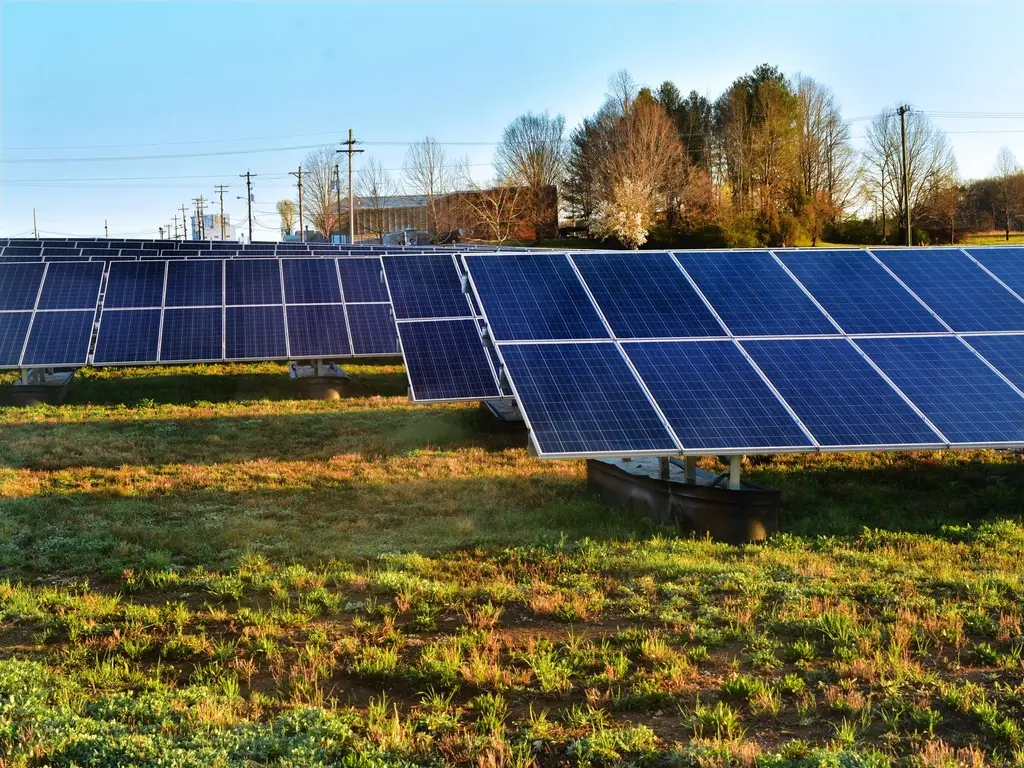
How the money flows: purchase vs PPA
What a rooftop PPA is
An on-site, or rooftop, power purchase agreement is a contract between your organisation and a solar provider. The provider pays for the design, installation, grid application, maintenance and insurance of a system on your roof or land. It owns the equipment. You agree to buy the electricity the system generates, at a set price per kWh, for an agreed number of years.
You still keep your normal electricity supply contract for the power the panels cannot provide, such as at night or on dull winter days. The PPA only covers the solar units.
We do not offer PPAs or any other finance. We arrange a free survey with one MCS certified installer so you have an independent design and generation estimate to judge PPA offers against.
How it works, step by step
- The provider assesses your roof, your half-hourly electricity data and your credit position.
- It offers a PPA rate per kWh, a contract length and an indexation method.
- You sign the PPA and, usually, a roof lease or licence that gives the provider the right to keep equipment on your building and access it.
- The provider installs the system, handles the G99 application to the network operator and commissions the system.
- A generation meter records the solar units used on site, and you are billed for them, normally monthly or quarterly.
- Any surplus exported to the grid usually earns income for the provider, not for you, unless the contract says otherwise.
Typical contract lengths
Rooftop PPAs typically run for 15 to 25 years. The term is long because the provider recovers its investment slowly, from the gap between its costs and the price you pay. Shorter terms are sometimes available, but they generally come with a higher price per kWh. Make sure the term fits comfortably inside your lease or your plans for the building.
How the price is set and how it changes
The opening price is normally set below your current grid unit rate, so you save from the first day. What matters just as much is how the price changes over the contract:
- Fixed price: the same rate for the whole term. Simple to budget, though the provider may set a higher opening rate.
- Fixed escalator: the price rises by an agreed percentage each year.
- Index-linked: the price rises in line with an inflation index such as RPI or CPI. Check whether there is a cap.
- Discount to grid: the price tracks your grid tariff at a fixed discount. Your saving is protected if grid prices fall, but you share in any rise.
Model each option over the full term against a range of future grid prices, not just today's. A price that looks attractive in year one can be poor value in year fifteen if it rises faster than grid electricity.
Is your site big enough?
PPA providers need enough generation to cover their costs, so they tend to favour larger roofs, high daytime demand and creditworthy organisations with long tenure. Thresholds vary by provider, and smaller sites are more often steered towards buying or financing a system instead.
Providers also look closely at:
- Self-consumption: you only pay for units you use, so a site that is empty at weekends or closed in summer is less attractive. Our energy data analysis shows how much of the output you would use.
- Roof condition: the roof needs to outlast the contract. A roof survey will show whether repairs are needed first.
- Tenure: most providers want the PPA to finish before your lease does.
- Grid capacity: export limits can reduce the system size the provider is willing to fund.
What happens if you sell or move
A good PPA sets out clear options, usually one or more of these:
- Assignment: the contract passes to the buyer or new occupier of the building, with the provider's consent. The provider will want to check the new party's credit.
- Buyout: you buy the system from the provider at a price set out in the contract, then sell the building with the system included.
- Termination: you pay an early termination fee and the provider removes the equipment. This can be expensive.
Discuss the PPA with your solicitor before you sign, and tell any future buyer about it early.
Buyout options
Most PPAs allow you to buy the system before the end of the term, sometimes only after a set number of years. The price usually comes from a schedule that falls each year. At the end of the term, the contract may let you buy the system for a nominal or market price, extend the agreement, or ask for removal. Ask for the full buyout schedule before signing. It tells you what flexibility you really have.
Red flags to look for
- Uncapped index-linked price rises.
- Take or pay clauses that make you pay for deemed generation when the system is off for reasons outside your control.
- Charges for lost generation while you repair or replace your own roof.
- No performance guarantee or maintenance response times.
- High early termination fees with no clear buyout schedule.
- Restrictions that stop you selling or subletting the building.
- Removal and making good at the end of the term left vague.
- Exclusivity clauses that stop you adding batteries or other generation.
Who a PPA tends to suit
A PPA is most attractive where an organisation wants lower electricity costs but cannot or will not commit capital, for example because cash is reserved for its core operations, it has no taxable profits to use capital allowances against, or its board prefers not to take on equipment risk. Public bodies, charities and fast growing businesses sometimes fall into this group. It suits less well where tenure is short, demand is low or seasonal, or the organisation could fund the system itself and keep the whole saving.
Accounting and tax for PPA payments
Payments under a PPA are generally treated as a running cost, in the same way as your electricity bill, and you cannot claim capital allowances on equipment you do not own. Some long contracts for the output of a specific asset can fall within lease accounting rules, which since 1 January 2026 bring most leases onto the balance sheet for many companies reporting under FRS 102. Ask your accountant to review the draft contract before you sign so there are no surprises in your accounts.
Questions to ask a PPA provider
- What generation do you expect in year one, and what is that estimate based on?
- How will the price change each year, and is there a cap?
- Do I pay for units I cannot use, or only those used on site?
- What is the buyout price in each year of the contract?
- Who pays if the panels must be lifted for roof repairs?
- What happens to the contract if I sell the building or my lease ends?
PPA or ownership?
A PPA is one option among several. If you can fund or finance the system yourself, you may save considerably more over its life. Our PPA vs CapEx comparison sets the options side by side, and our page on the Smart Export Guarantee explains export income, which usually stays with a PPA provider.
How the survey helps
A free survey gives you an independent view of what your roof can hold, what it will generate and how much you will use on site. With those figures you can check whether a PPA offer is built on realistic generation and whether the saving is worth the contract. See what the survey includes.
Frequently asked questions
Who maintains the panels under a PPA?
Usually the PPA provider, because it owns the system and is paid only for the units generated. The contract should set out cleaning, inspection, fault response times and inverter replacement. Check who is responsible for any damage to your roof caused by the installation, and who pays if the panels must be lifted for roof repairs during the term.
Do I still need an electricity supplier with a PPA?
Yes. A rooftop PPA covers only the electricity generated by the panels on your site. You still need a normal supply contract for everything else, including night time use and any shortfall on cloudy days. Your supplier bill should fall because you import less, but standing charges and other fixed costs remain.
Can I have a PPA if I lease my building?
Possibly, but the provider will want the PPA term to fit within your lease, and your landlord must agree to the roof lease or licence. Short leases and break clauses are common reasons a PPA is declined. Some landlords prefer to sign the PPA themselves and pass the savings to tenants through a service charge or supply arrangement.
What happens at the end of a PPA?
Contracts usually offer a choice: buy the system, often for a nominal or market price; extend the agreement at a new rate; or ask the provider to remove the equipment and make good the roof. Panels often have performance warranties of 25 to 30 years, so a system can still have useful life left when a 20 year PPA ends.
How do I know a PPA price is fair?
Compare the PPA rate with your current unit rate and with the saving from owning the system. Then model how the price changes under the indexation clause over the full term. An independent generation estimate from a survey lets you check that the provider's assumptions are realistic. Ask your solicitor to review the contract before you sign.
Related pages
 PPA vs CapExA side by side comparison of outright purchase, rooftop PPAs and lease or asset finance, including how lease length and site tenure change the answer.
 Asset finance and leasingHow hire purchase, finance leases and operating leases work for solar, who claims capital allowances under each, and how to aim for a cash flow positive project.
 Solar paybackA worked payback example for a 100 kWp system, the factors that move the result most, the effect of tax relief, and a calculator to try your own figures.
- Energy data analysisHow half-hourly consumption data shapes solar sizing and payback: getting the data, profile classes, baseload, weekend and seasonal use, self-consumption and batteries.
- Commercial landlordsSolar on let property means settling who pays, who benefits and who owns the system. This page covers the main ownership models, lease length, metering and MEES.