
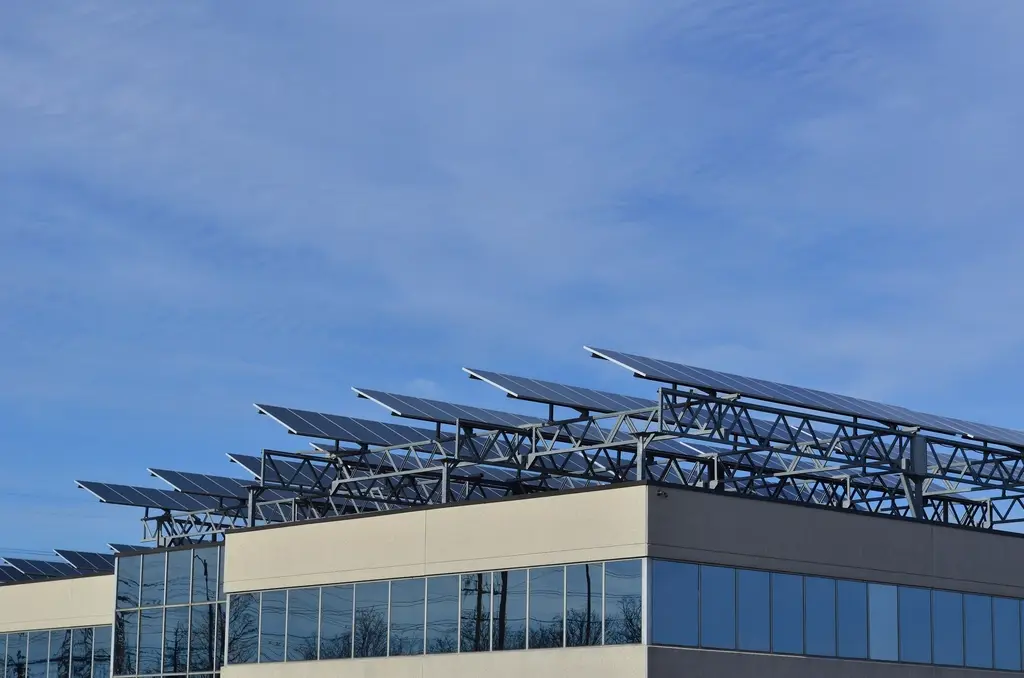
How the money flows: purchase vs PPA
The three main routes
| Route | Upfront cost | Who owns the system | Typical fit |
|---|---|---|---|
| Outright purchase (CapEx) | Full cost | You | Organisations with capital and tax capacity, long tenure on the site |
| Asset finance or leasing | Little or none | You or the funder, depending on the agreement | Businesses that want ownership benefits without the upfront outlay |
| Power purchase agreement (PPA) | None | A third party | Larger sites that want lower power costs with no capital spend |
Our PPA vs CapEx comparison sets these side by side.
What changes the numbers
- Tax relief. Purchased systems can qualify for capital allowances, which can reduce the net cost significantly for profitable businesses.
- Export income. In Great Britain, the Smart Export Guarantee pays for electricity you send to the grid, though usually at a much lower rate than you pay to import.
- Self-consumption. The share of generation you use on site is the biggest single driver of payback.
- Grants and reliefs. Support differs by nation and sector. See grants.
Note: We do not provide finance or tax advice. Use this section to understand the options, then check the detail with your accountant and any finance provider.
CapEx vs loan vs lease vs PPA at a glance
| Feature | Keeps all savingsOutright purchase (CapEx) | Loan or hire purchase | Lease | Power purchase agreement (PPA) |
|---|---|---|---|---|
| Upfront cost | Full installed cost | Little or none (a deposit may apply) | Usually none | None |
| Who owns the system | You | You (at the end of the term with hire purchase) | The funder | The PPA provider |
| What you pay | Nothing further except running costs | Fixed repayments over the term | Fixed rentals over the term | An agreed rate for each kWh the system produces |
| Who keeps the savings | You keep all of them | You, less the repayments | You, less the rentals | The difference between the PPA rate and your grid rate |
| Capital allowances | You can usually claim | You can usually claim | Usually the funder claims | The provider claims |
| Maintenance | Your responsibility | Your responsibility | Depends on the agreement | Usually the provider's |
| Typical term | Not applicable | Typically several years | Typically several years | Typically 15 to 25 years |
| Often suits | Strong cash position, taxable profits, long tenure | Ownership benefits without the upfront outlay | Fixed costs with the asset off your hands | Larger sites wanting savings with no capital spend |
General comparison only. Terms, tax treatment and accounting vary by provider and by business: check the detail with your accountant and any finance provider. We do not provide finance. See PPA vs CapEx for the full comparison.
In this section
 PPA vs CapExA side by side comparison of outright purchase, rooftop PPAs and lease or asset finance, including how lease length and site tenure change the answer.
 Power purchase agreementsHow on-site solar PPAs work, typical contract lengths, how prices rise over time, what happens if you sell or move, and the clauses to check before signing.
 Asset finance and leasingHow hire purchase, finance leases and operating leases work for solar, who claims capital allowances under each, and how to aim for a cash flow positive project.
 Capital allowancesHow solar panels are treated for capital allowances: the special rate pool, the Annual Investment Allowance, the 50% first year allowance for companies, and illustrative examples.
 Solar paybackA worked payback example for a 100 kWp system, the factors that move the result most, the effect of tax relief, and a calculator to try your own figures.
 Smart Export GuaranteeHow SEG export payments work for business solar in Great Britain, who is eligible, what accreditation and metering you need, and how much export adds to the case.
Related pages
- Commercial solar costIllustrative prices per kWp by system size, extra costs, running costs, VAT and tax.
- GrantsAn honest overview of funding for commercial solar across the UK: tax reliefs, rates exemptions, VAT, export payments, loans and the schemes run in each nation.
- Commercial landlordsSolar on let property means settling who pays, who benefits and who owns the system. This page covers the main ownership models, lease length, metering and MEES.
- Solar panel lifespanProduct and performance warranties, degradation, inverter replacement, roof life, end of life recycling and how lifespan affects payback and lease length.