
The seven areas a good survey covers
| Area | The question it answers | Read more |
|---|---|---|
| Energy use | How much electricity do you use, and when? | Energy data analysis |
| Roof | Is the roof suitable, and will it outlast the panels? | Roof survey for solar |
| Structure | Can the building carry the extra load safely? | Structural survey for solar |
| Grid connection | Can the network take the system, and is a G99 application needed? | G99 and DNO applications |
| Design and yield | What size, layout and generation make sense? | Feasibility study |
| Costs and payback | What will it cost and how long until it pays back? | Cost guide |
| Finance and next steps | How could you pay for it, and what happens next? | Finance options |
Energy use comes first
The most common mistake in commercial solar is sizing a system to fill the roof rather than to match the site's demand. Electricity you use on site is worth your full unit rate; electricity you export is usually worth far less. So the survey starts with your bills and, where available, your half-hourly data, to see your daytime baseload, weekday and weekend patterns and seasonal swings.
The roof and the structure
The surveyor records the roof covering (profiled metal, membrane, tile, slate or asbestos cement), its age, condition and remaining life, fragile rooflights, edge protection, access routes and shading from plant, parapets or neighbouring buildings. Panels are commonly warrantied for 25 years or more, so a roof that needs replacing in five years usually needs a plan before panels go on. Where loads are marginal or the building is older, a structural engineer may need to confirm the frame can carry the system.
The grid connection
Every system needs a route to connect. The survey checks your supply capacity and main switchgear, the likely cable route from roof to intake, and whether the system can be notified under G98 or needs approval under G99 from your distribution network operator. Where the network has limited capacity, export limitation may let a larger system connect.
Design, yield and the numbers
With the constraints known, the installer proposes a system size and layout, models expected annual generation for your location and roof orientation, and estimates how much you would use on site. That produces an installed cost range, estimated annual savings and an illustrative payback period. The payback calculator shows how those numbers fit together.
Add-ons worth assessing at the same time
- Battery storage, if your site exports a lot at weekends or has high evening demand.
- EV charging, if you run a fleet or plan workplace charging.
- Solar carports or ground-mounted arrays, if roof space is limited.
What is not included
The free survey is a feasibility assessment, not a detailed engineering design. It identifies whether specialist work is needed, such as a structural engineer's calculations, an asbestos survey or a formal grid application, but those are separate steps that follow if you decide to proceed.
What a survey report looks like
Commercial solar survey report
Distribution warehouse, example site
- System size
- 100 kWp
- Generation
- 90 MWh a year
- Installed cost
- £90k excl. VAT
- Annual benefit
- £18,180
Generation by month
- Roof condition and remaining life
- G98 or G99 route and export limit
- Whether an engineer's check is needed
- Purchase, loan, lease or PPA compared
In this section
- Feasibility studyWhat a solar feasibility study covers, desktop versus on-site assessment, and the outputs a decision maker needs: size, yield, savings, payback, grid and risks.
- Roof surveyHow a solar roof survey assesses covering type, condition and remaining life, fragility and safe access, shading, orientation, drainage and existing warranties.
- Structural surveyWhat a structural assessment for rooftop solar checks: dead loads, wind uplift and snow, purlins and rafters, ballast, and when an engineer's report is needed.
- G99 and DNO applicationsG98 versus G99, what goes into a DNO application, connection offers, export limitation under G100, reinforcement costs and how the survey checks your supply.
- Energy data analysisHow half-hourly consumption data shapes solar sizing and payback: getting the data, profile classes, baseload, weekend and seasonal use, self-consumption and batteries.
Frequently asked questions
Is a feasibility study the same as a survey?
They overlap. A feasibility study is the assessment of whether solar works on the site, often done first from data and imagery. A site survey adds the physical inspection. Our free survey covers both, starting virtual or on site depending on the project. See commercial solar feasibility study.
Will the survey include a structural engineer's report?
Not usually. The survey identifies whether one is needed, based on the roof type, the age of the building and the proposed mounting system. If it is, the installer will explain the scope and cost before any work is commissioned.
Does the survey include the G99 application?
The survey checks your supply and whether G99 approval is likely to be needed. The application itself is normally made by the installer once you decide to proceed, because it needs the final design. Read G99 and DNO applications.
Can one survey cover several buildings or sites?
Yes. Multi-building sites are surveyed together so the best roofs are used first. For portfolios across different locations, a virtual first pass across all sites is often the fastest way to rank them.
Related pages
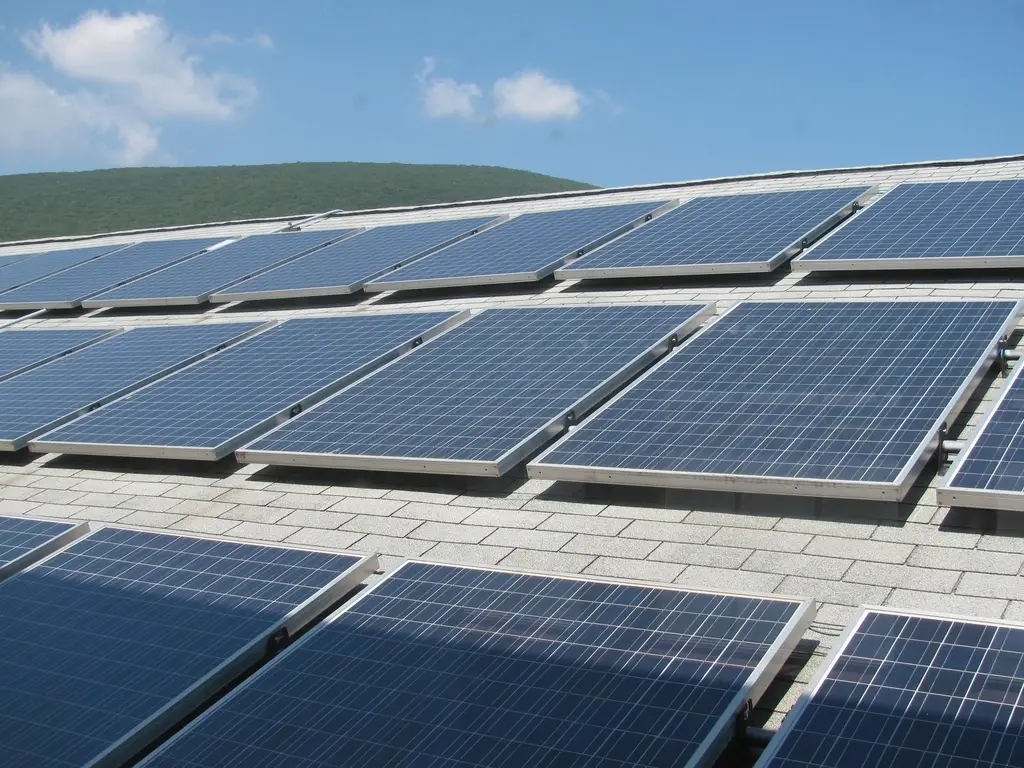 How a survey worksEach step from enquiry to costed proposal, what to prepare and what you receive.
- Feasibility studyWhat a solar feasibility study covers, desktop versus on-site assessment, and the outputs a decision maker needs: size, yield, savings, payback, grid and risks.
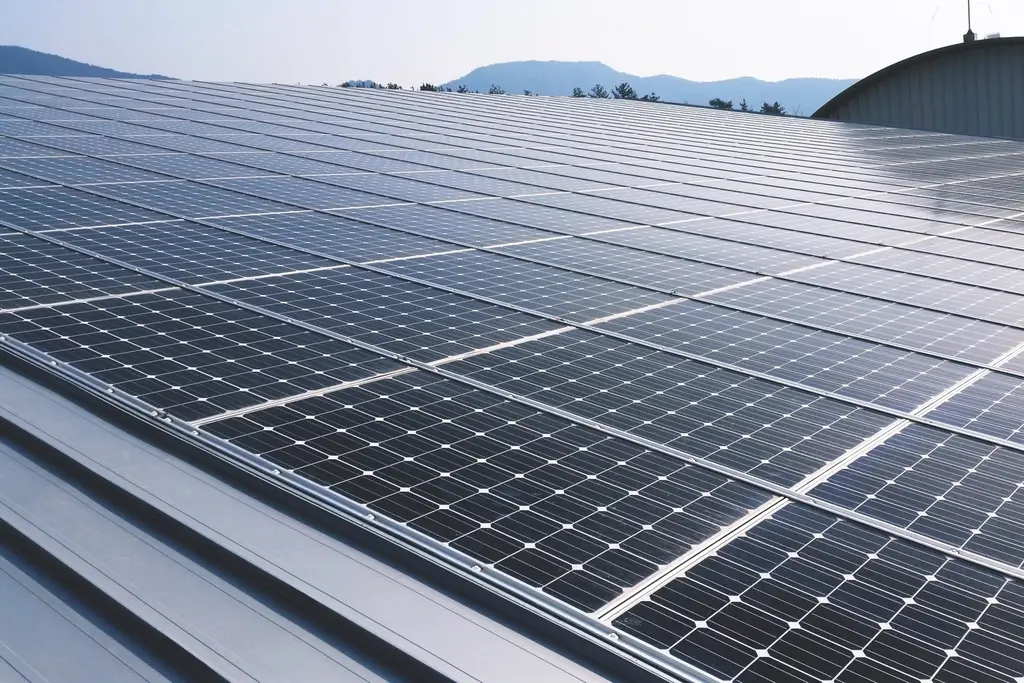 Commercial solar costIllustrative prices per kWp by system size, extra costs, running costs, VAT and tax.
- Survey checklistA practical checklist of the energy data, drawings, consents and decisions to gather before a commercial solar survey, plus what to expect on the day and after.