
Why healthcare demand suits solar
Care homes and nursing homes
A care home is occupied every hour of every day. Its electrical loads include lighting, laundry, commercial kitchens, lifts and hoists, nurse call and fire systems, medical equipment, and often electric hot water and heating. Laundry and kitchens in particular run through the daytime, so a rooftop array can be used directly for most of the year, including weekends and bank holidays. That makes the self-consumption rate high, which is the main driver of savings.
GP surgeries and health centres
Surgeries follow a weekday daytime pattern with extended hours on some evenings and weekends. Loads include lighting, IT, vaccine and medicine refrigeration, heating and ventilation. Buildings are often modest in size, so arrays are smaller, but the daytime match is good.
Private clinics, dental practices and diagnostic centres
Imaging equipment such as MRI and CT scanners, along with the cooling they need, can create substantial daytime loads. Dental practices run compressors, suction and sterilisation equipment. Physiotherapy, veterinary and other clinics often have long opening hours. These sites typically use everything a roof array produces.
| Setting | Demand pattern | What the survey focuses on |
|---|---|---|
| Care home | Continuous, daytime peaks from laundry and kitchens | Occupied building, fire strategy, backup power |
| GP surgery or health centre | Weekday daytime, some extended hours | Lease and ownership, small roof areas |
| Imaging or diagnostic clinic | Heavy daytime equipment loads | Electrical capacity, power quality, cooling plant |
| Dental or outpatient clinic | Daytime, five or six days a week | Roof type, connection point, landlord consent |
The site and building issues a healthcare survey checks
Backup power and essential supplies
Many healthcare buildings have standby generators or uninterruptible power supplies for essential circuits. Grid-connected solar inverters are designed to shut down when the grid supply is lost, for the safety of anyone working on the network, so standard solar does not provide backup power on its own. The survey checks how the array would sit alongside generator changeover arrangements so that the two do not interfere. If resilience is a priority, battery storage with a suitable backup function can be considered, though it needs specific design.
Occupants and fire strategy
Care homes accommodate people who may not be able to evacuate unaided, and their fire strategies often rely on moving residents horizontally to protected areas rather than evacuating the whole building. Any rooftop system must not undermine that strategy. The surveyor considers cable routes through the building, the position of isolators for the fire service, and how far panels sit from compartment walls. Insurers often refer to the RC62 recommendations; our fire safety and insurance guide explains the main points.
Working in occupied buildings
Installation in a care home or clinic has to be planned around residents and patients: noise, vibration, dust, infection control and secure storage of equipment, plus keeping access routes and ambulance bays clear. Work may need restricted hours, and electrical shutdowns for the final connection must be coordinated with any equipment that cannot be interrupted.
Roofs and electrical capacity
Purpose-built care homes and health centres often have pitched roofs with tiles or slates, sometimes with multiple slopes and dormers that break up the usable area. Converted period buildings bring heritage considerations. Clinics with imaging equipment need an electrical assessment to confirm the connection point and any power quality issues. Systems above the G98 threshold need G99 approval from the DNO.
Car parks and transport
Care homes, health centres and clinics usually have parking for staff, visitors and patients, and some run minibuses or community vehicles. Where the roof is small or awkward, a canopy over part of the car park can add generating capacity and shelter, provided it leaves room for ambulances, drop-off points and accessible bays. It also gives a natural location for EV charging if you are planning chargers for staff or vehicles.
Finance and ownership questions for healthcare
Operator and property owner
Many care homes are operated by one organisation and owned by another, often on long leases. The operator usually pays the electricity bill and gains the savings, while the landlord controls the roof. Who installs, who owns the system and what happens at the end of the lease all need agreeing. A power purchase agreement can suit operators who do not want to invest capital in a building they lease.
GP premises
GP surgeries may be owned by the partners, leased from a private landlord, or held by a public sector property body. Each arrangement affects who can approve works and how any savings or costs are treated. Practices should check their lease and speak to whoever handles premises matters before commissioning work.
NHS estates
NHS trusts and other NHS bodies usually run solar projects through their own estates teams, procurement rules and frameworks, often as part of wider net zero plans. Our service is mainly suited to independent healthcare providers, care operators and practices, though the survey principles are the same.
Tax and VAT
Profit-making operators can usually claim capital allowances on solar, which is special rate expenditure; check the treatment with your accountant. Charitable care providers may be eligible for the zero rate of VAT if the building is used solely for a relevant charitable purpose; see our charities page and confirm eligibility with your adviser.
What to have ready for a healthcare survey
- 12 months of half-hourly data, plus details of any separate supplies
- Details of standby generators, UPS systems and essential circuits
- Fire risk assessment and fire strategy for the building
- Asbestos register for older premises
- The lease, or contact details for the landlord or property owner
- Any equipment that cannot tolerate a planned shutdown
- Preferred working hours and areas that must stay clear during installation
Request a free survey to see what your premises could generate and save.
Frequently asked questions
Will solar panels keep our care home running in a power cut?
Not on their own. Grid-connected inverters switch off when the grid supply fails, which protects people working on the network. Your existing standby generator or UPS remains your backup. Battery storage with a backup function can provide some resilience, but it needs specific design and integration with your essential circuits. The survey checks how solar would sit alongside your current arrangements.
How is installation managed in a building with vulnerable residents?
The installer agrees a method statement with the home covering working hours, noise, dust control, infection control and secure storage. Access routes, fire escapes and ambulance bays stay clear, and electrical shutdowns are planned around equipment that cannot be interrupted. Much of the work happens on the roof, with limited time inside the building for cable routes and the final connection.
We lease our care home. Can we still install solar?
Usually, with the landlord's consent. Many care homes are operated by one organisation and owned by another, so the parties need to agree who installs and owns the system, how roof repairs are handled and what happens at lease end. A power purchase agreement is sometimes used where the operator prefers not to invest capital in a leased building.
Is a small GP surgery worth surveying?
Often yes. Surgeries use most of their electricity in daytime hours, so the generation is well used even if the array is small. The practical questions are usually about the roof shape, whether the practice owns or leases the building, and who must approve works. The survey answers those and gives an estimate of savings to help the partners decide.
Related pages
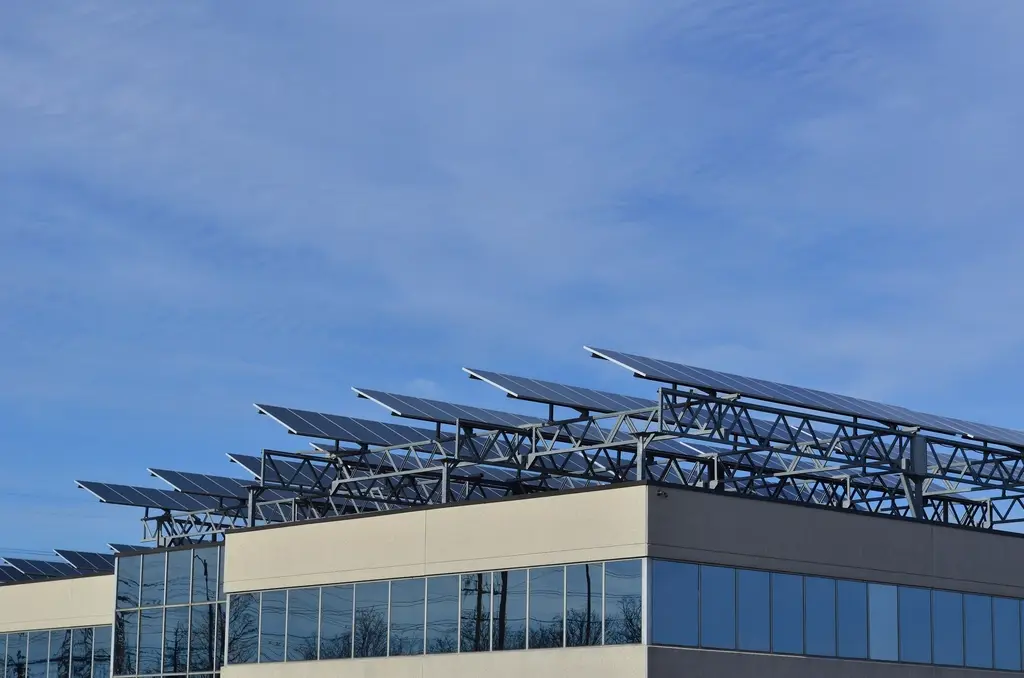 Battery storageWhen a commercial battery pays: storing surplus solar, time of use tariffs, peak shaving, sizing from half-hourly data, illustrative costs, safety and siting.
- Fire safety and insuranceRC62 in plain terms, insurer questions, DC isolation, cable routing, separation from rooflights and fire breaks, and inspection regimes for commercial rooftop solar.
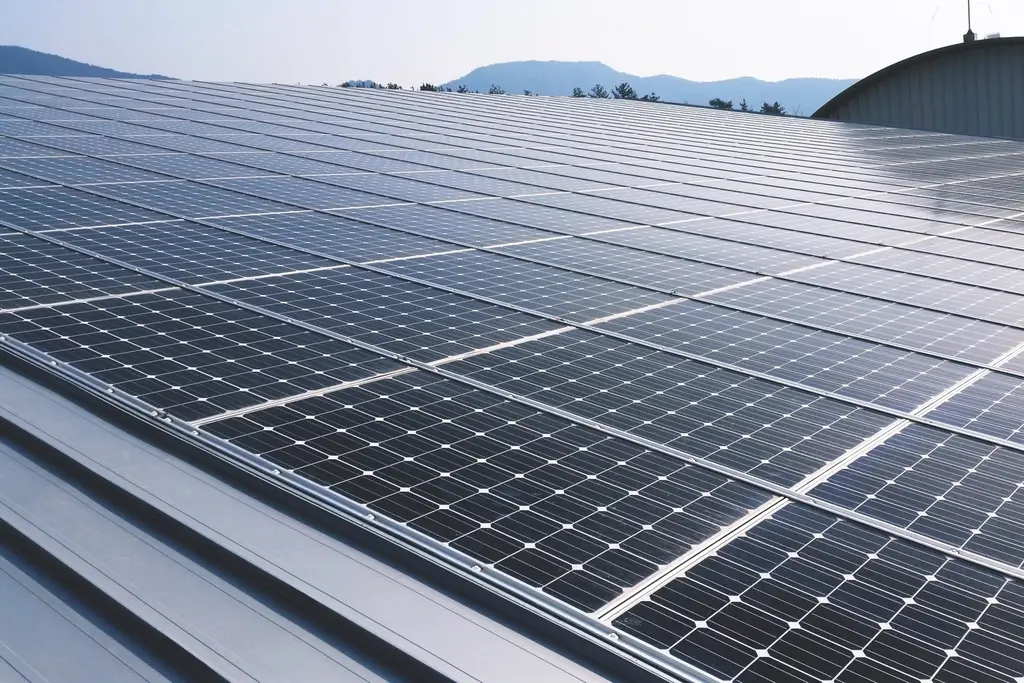 PPA vs CapExA side by side comparison of outright purchase, rooftop PPAs and lease or asset finance, including how lease length and site tenure change the answer.
- Charities and communityCharity buildings range from daily offices to occasional-use halls and historic churches. The survey tests whether demand matches generation and highlights VAT, heritage and governance points.
- Pitched roofsTile and slate roofs on older commercial and agricultural buildings: in-roof or on-roof mounting, rafters, orientation and heritage limits.
- Energy data analysisHow half-hourly consumption data shapes solar sizing and payback: getting the data, profile classes, baseload, weekend and seasonal use, self-consumption and batteries.