
The short answer
Commercial rooftop solar in the UK is usually priced per kWp (kilowatt peak) of panels. Illustratively, in 2026:
| System size | Illustrative cost per kWp (excl. VAT) | Illustrative total |
|---|---|---|
| 30 kWp (small office or farm building) | £1,000 to £1,500 | £30,000 to £45,000 |
| 100 kWp (mid-sized warehouse or factory) | £750 to £1,100 | £75,000 to £110,000 |
| 500 kWp (large distribution or manufacturing roof) | £600 to £900 | £300,000 to £450,000 |
These are illustrative ranges, not quotes. Your survey gives a range for your own roof. Public reference points include the solar PV cost data published by the Department for Energy Security and Net Zero (DESNZ), which is based on smaller MCS certified installations.
Why bigger systems cost less per kWp
Much of the cost of a project is fixed regardless of size: design, the grid application, scaffolding and access, commissioning, documentation and project management. Spread over more panels, these fixed costs fall per kWp. Larger projects also buy panels, inverters and mounting at better prices.
What is usually included
A typical commercial installation quote covers:
- Panels, inverters and the mounting system.
- DC and AC cabling, isolators, protection and a generation meter.
- Design, the G98 notification or G99 application, and commissioning.
- Scaffolding or other access and edge protection for installation.
- Monitoring, so you can see what the system generates.
- Handover documents, electrical test certificates and warranties.
Check each quote lists these explicitly. Our guide to choosing a commercial solar installer explains how to compare quotes like for like.
What pushes the price up
| Factor | Why it adds cost |
|---|---|
| Difficult access | Taller buildings, restricted yards or live operations need more scaffolding, mobile elevating work platforms or out of hours working |
| Roof repairs or replacement | Panels should not go on a roof that will need replacing within their life; repairs come first |
| Structural strengthening | Older or lightweight frames may need an engineer's design and steelwork |
| Asbestos | Asbestos cement roofs need extra precautions, overcladding or replacement. See asbestos roofs |
| Ballasted flat roof systems | Ballast adds material and can trigger structural work. See flat roofs |
| Long cable runs | A roof far from the electrical intake needs more cable and containment |
| Grid reinforcement | If the network needs upgrading for your connection, the DNO may charge for it. See G99 and DNO applications |
| Carports and ground mounts | Steel structures and foundations cost more than rooftop mounting. See solar carports |
Battery storage
Batteries are priced per kWh of usable capacity. Illustratively, commercial battery systems cost about £400 to £900 per kWh installed, depending on size and chemistry. Whether one pays depends on how much of your generation you would otherwise export, and your tariff. Read battery storage for business.
Running costs to budget for
- Maintenance. Periodic inspection, electrical testing, monitoring checks and cleaning where needed. See commercial solar maintenance.
- Inverter replacement. Inverters are often replaced once during the life of the panels, typically after 10 to 15 years.
- Insurance. Tell your buildings insurer before installation; some will ask about fire safety measures. See solar fire safety and insurance.
- Degradation. Panels lose a small amount of output each year; performance warranties set out how much.
VAT
Commercial installations are standard rated for VAT at 20%. VAT registered businesses can usually recover it in the normal way. Since 1 February 2024, installations in buildings used solely for a relevant charitable purpose can qualify for the zero rate. Read our page for charities.
Tax relief changes the real cost
Solar panels are special rate expenditure for capital allowances. Many businesses can claim 100% relief in the first year through the Annual Investment Allowance (up to £1 million a year), and companies can also use the 50% first-year allowance for special rate assets. That can reduce the net cost of a purchased system significantly. Read capital allowances on solar and check your position with your accountant.
What the survey costs
The survey we arrange is free, with no obligation. If specialist work is needed before installation, such as a structural engineer's calculations or an asbestos survey, the installer will explain the scope and cost before anything is commissioned.
Turning cost into payback
Cost only matters alongside savings. In the illustrative example used across this site, a 100 kWp system at £900 per kWp costs £90,000, generates about 90,000 kWh a year, and with 80% used on site at 24p per kWh saves around £17,280 a year plus about £900 of export income, a simple payback of roughly 5 years before tax relief. Try your own figures on the solar payback page.
Cumulative cash position, 100 kWp example
£90,000 cost, about £18,180 benefit a year, break-even in year 5
Frequently asked questions
How much does a 50 kW commercial solar system cost?
Illustratively, a 50 kWp rooftop system sits at the boundary of the first two bands, so roughly £1,000 to £1,200 per kWp is a reasonable working range, or about £50,000 to £60,000 excluding VAT. Access, roof type and grid work can move it outside that range.
Why is commercial solar priced per kWp?
Because it lets you compare systems of different sizes on a like for like basis. Divide the installed price by the system size in kWp. Then check what each quote assumes about generation, because a cheaper price per kWp is not better value if the design produces less.
Do I pay VAT on commercial solar panels?
Commercial installations are standard rated at 20%, which VAT registered businesses can normally reclaim. Buildings used solely for a relevant charitable purpose can qualify for the zero rate from 1 February 2024. Check your position with your accountant.
Why do quotes for the same roof differ so much?
Different panel and inverter choices, different assumptions about access and scaffolding, whether grid application and monitoring are included, and different system sizes. Compare quotes on price per kWp, the generation each assumes, and exactly what is included.
Can I spread the cost?
Yes. Asset finance and leasing spread payments over several years, and a power purchase agreement can avoid upfront cost altogether. See finance options and PPA vs CapEx.
Related pages
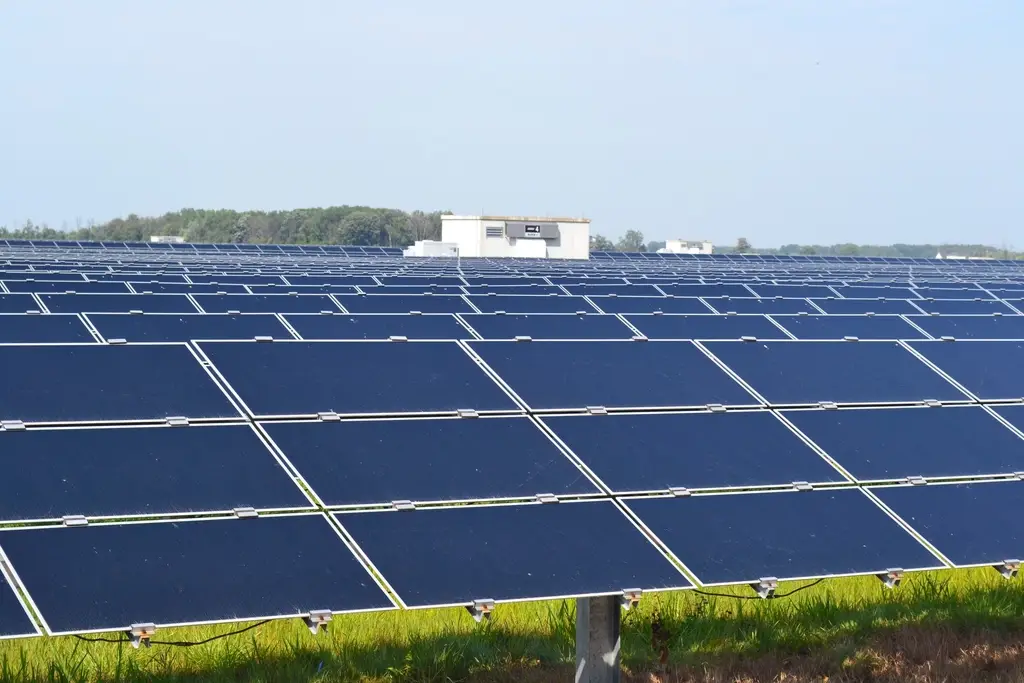 Solar paybackA worked payback example for a 100 kWp system, the factors that move the result most, the effect of tax relief, and a calculator to try your own figures.
 Capital allowancesHow solar panels are treated for capital allowances: the special rate pool, the Annual Investment Allowance, the 50% first year allowance for companies, and illustrative examples.
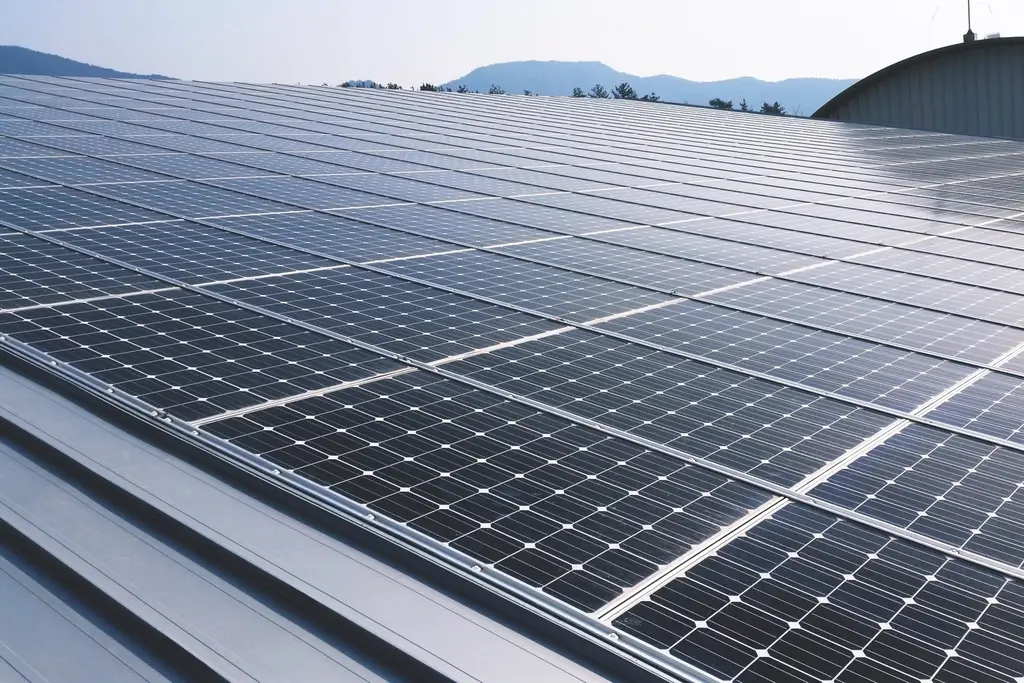 PPA vs CapExA side by side comparison of outright purchase, rooftop PPAs and lease or asset finance, including how lease length and site tenure change the answer.
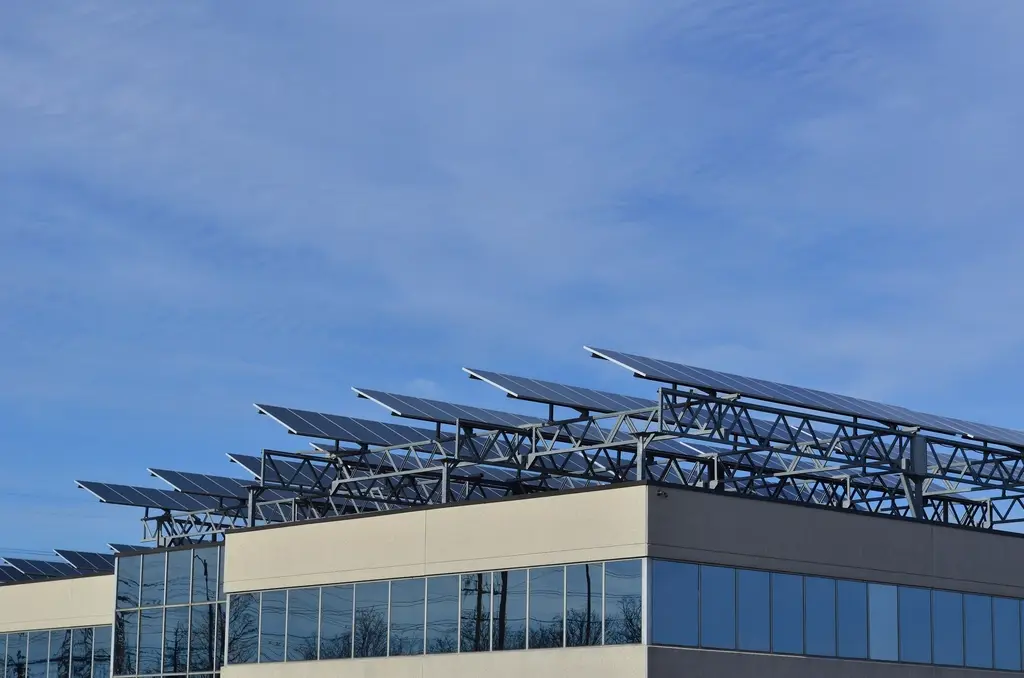 Battery storageWhen a commercial battery pays: storing surplus solar, time of use tariffs, peak shaving, sizing from half-hourly data, illustrative costs, safety and siting.
- Sizing your systemHow to size commercial solar from consumption data, roof area and grid limits, with typical rules of thumb, a worked illustrative example and notes on batteries and future loads.