
The short version
As of November 2026, Invest NI's main capital grant for energy efficiency and onsite renewables is paused, there is no Smart Export Guarantee, and support for businesses is mostly advice and tax relief. Community groups can apply to Great British Energy's Community Fund. Because export income is less certain, Northern Ireland projects depend even more on using solar power on site.
Businesses
Invest NI
Invest NI's Energy Efficiency Capital Grant supported energy efficient equipment and onsite renewable generation. Its page now says the scheme has been paused after its first year and is not accepting enquiries or new applications. When it was open, it was not available to sports clubs, charities or farms.
Invest NI still lists other energy and resource efficiency support, including:
- Technical Consultancy to identify energy and resource efficiency opportunities, for businesses spending over £30,000 a year on energy and resources.
- Carbon and Sustainability Reports, for businesses above the same spending level.
TODO for the site owner: Check Invest NI's website for whether the Energy Efficiency Capital Grant has reopened or been replaced, and confirm current eligibility for Technical Consultancy.
Tax relief
Capital allowances are a UK-wide tax, so Northern Ireland businesses can use the Annual Investment Allowance and, for companies, the 50% first year allowance on solar. See our capital allowances guide and confirm with your accountant.
Community groups and charities
The GBE Community Fund is open to incorporated community organisations in Northern Ireland as well as England and Wales. It offers grants for feasibility, development and capital, for projects at least 50% community owned. The current application window closes on 12 November 2026, and Advice NI can help with applications. Great British Energy also allocated funding to the Northern Ireland Executive in 2025 for public sector and community renewables.
Public bodies, schools and farms
We did not find a current open Northern Ireland scheme specifically funding solar on public buildings, schools or farms.
TODO for the site owner: Check the Department for the Economy, Department of Education and DAERA websites (via nidirect.gov.uk) for any current capital funding that includes solar PV for public bodies, schools or farms, including how Great British Energy's allocation to the Northern Ireland Executive is being used.
Export payments
The Smart Export Guarantee applies only in Great Britain. In Northern Ireland, some electricity suppliers have offered their own export payments, but terms and availability vary and are not set by a national scheme. Treat export income cautiously in your business case and design the system mainly for on-site use. Our Smart Export Guarantee page explains why export is usually a small part of the case anyway. A battery can help where daytime demand is low; see battery storage for business.
TODO for the site owner: Check which Northern Ireland electricity suppliers currently offer export payments to commercial solar generators, and summarise the terms in general.
Building the case without export income
Because export payments are uncertain, it is sensible to test a Northern Ireland project with little or no export income. In our illustrative 100 kWp example, removing the £900 of export income leaves about £17,280 a year from on-site use, and simple payback moves from about 5 years to about 5.2 years. The bigger risk is low self-consumption: if much of the output would be exported, a smaller system, or one paired with a battery, is often the better choice. Half-hourly meter data shows how much you would use on site.
Rates
Northern Ireland's rates system is separate from the rest of the UK. According to the Department of Finance's renewable energy valuation practice notes, plant with an installed capacity of 50 kW or less is not rateable under the Rates (Microgeneration) Order (Northern Ireland) 2012. Above 50 kW, plant used mainly for self-consumption may be valued with the property. Ask Land and Property Services how a larger system would affect your rates before you decide on size.
Planning
Northern Ireland has its own permitted development rules, set by the Department for Infrastructure. Some rooftop solar on non-domestic buildings can be installed without planning permission, subject to conditions, but the limits differ from those in Great Britain. Check with your council's planning office before you commit.
TODO for the site owner: Confirm the current permitted development conditions for non-domestic rooftop solar in Northern Ireland under the Planning (General Permitted Development) Order (Northern Ireland) 2015 as amended.
Grid connections
Connections in Northern Ireland are handled by NIE Networks, not a GB network operator, and applications follow NIE Networks' own process and requirements. Network capacity can limit system size in some areas, so raise it early. Our Northern Ireland region page and Belfast page cover local context.
Steps for a Northern Ireland business considering solar
- Check whether you meet Invest NI's spending threshold for free technical consultancy.
- Ask NIE Networks, through your installer, about connection capacity at your site early on.
- If the system will be over 50 kW, ask Land and Property Services how it would affect your rates.
- Check permitted development with your council's planning office.
- Base your business case on on-site use, and treat any export payment as a bonus.
Who to contact
- Invest NI for business energy advice
- NIE Networks for grid connections
- Land and Property Services for rates
- Your council for planning
- nibusinessinfo.co.uk and nidirect.gov.uk for official business guidance
- Your accountant for capital allowances and VAT
A survey shows how much of your solar you would use on site, which matters even more without the SEG. Request a free survey to see the figures for your site.
Frequently asked questions
Is there a solar grant for businesses in Northern Ireland?
Not at present that we could confirm. Invest NI's Energy Efficiency Capital Grant, which covered onsite renewable generation, is paused and not accepting new applications. Businesses can still use capital allowances and Invest NI's advisory support if they meet its spending thresholds. Community organisations can apply to the GBE Community Fund, which closes on 12 November 2026.
Can I get paid for exporting solar power in Northern Ireland?
Possibly, but not through the Smart Export Guarantee, which only covers Great Britain. Some Northern Ireland suppliers have offered their own export payments, with terms that vary. Because export income is less certain, most commercial systems in Northern Ireland are designed so that as much solar power as possible is used on site.
Will solar panels affect my rates in Northern Ireland?
Systems with an installed capacity of 50 kW or less are not rateable under the Rates (Microgeneration) Order (Northern Ireland) 2012. Larger systems used mainly to supply the property may be valued with it, which could increase your rates. Ask Land and Property Services before you settle on a system size above 50 kW.
Who connects solar to the grid in Northern Ireland?
NIE Networks manages the electricity network in Northern Ireland and handles applications to connect generation, following its own process and requirements rather than those of a GB network operator. Capacity in some areas is limited, so your installer should check connection options early in the design.
Related pages
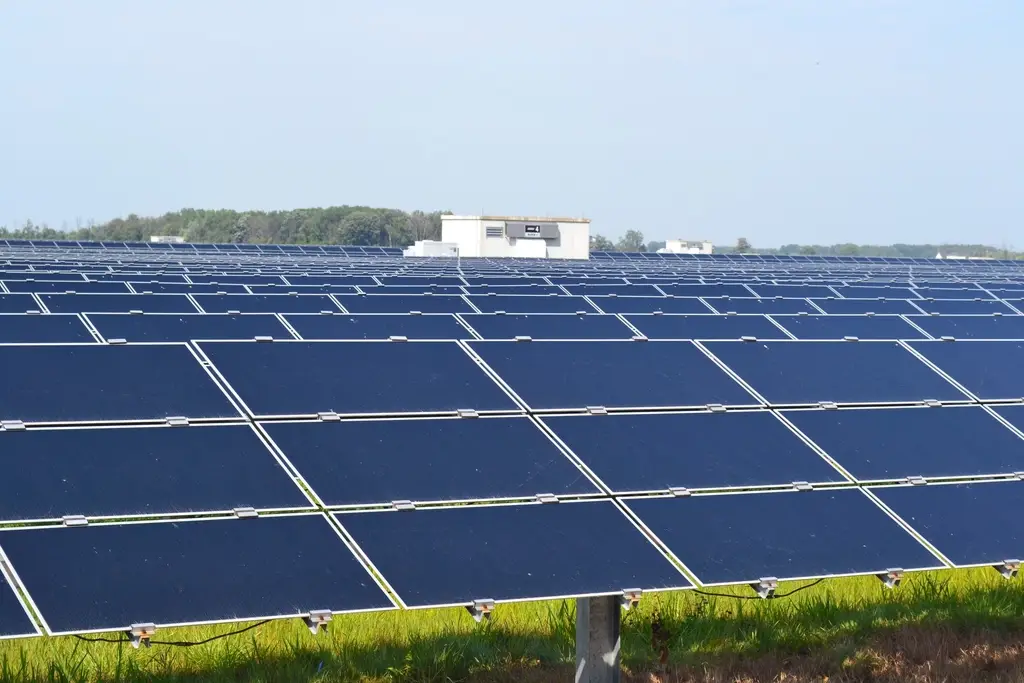 GrantsAn honest overview of funding for commercial solar across the UK: tax reliefs, rates exemptions, VAT, export payments, loans and the schemes run in each nation.
- Northern IrelandNIE Networks and the G98/NI and G99/NI process, no Smart Export Guarantee, council-led planning, and the agri-food and manufacturing buildings that suit solar.
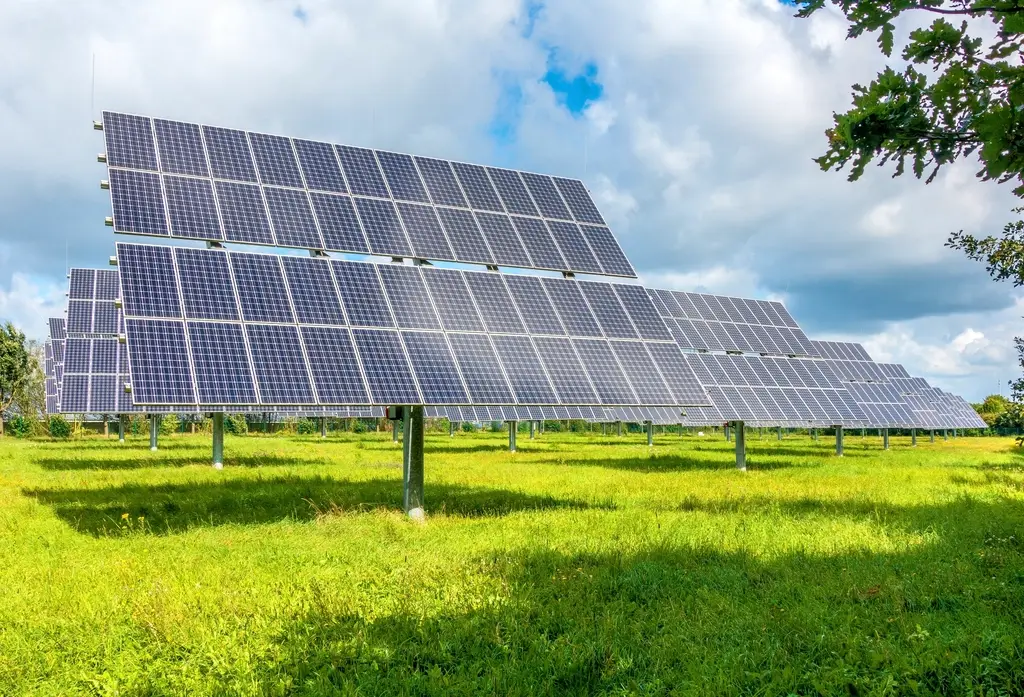 Smart Export GuaranteeHow SEG export payments work for business solar in Great Britain, who is eligible, what accreditation and metering you need, and how much export adds to the case.
 Capital allowancesHow solar panels are treated for capital allowances: the special rate pool, the Annual Investment Allowance, the 50% first year allowance for companies, and illustrative examples.
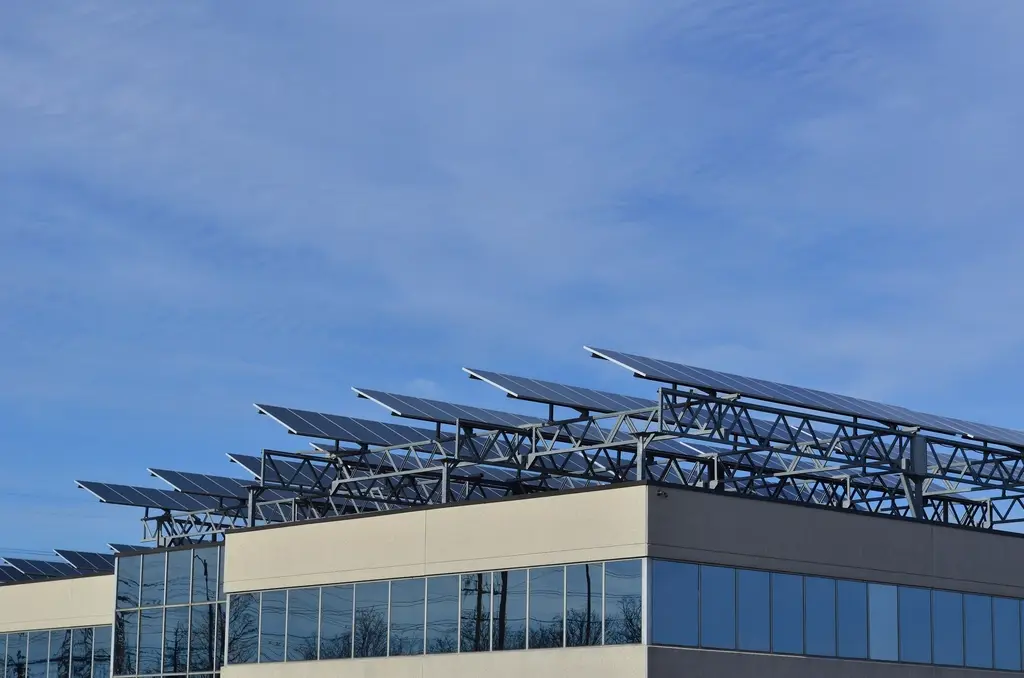 Battery storageWhen a commercial battery pays: storing surplus solar, time of use tariffs, peak shaving, sizing from half-hourly data, illustrative costs, safety and siting.