
Why sector matters
Solar generates in daylight, most strongly from late spring to early autumn and around the middle of the day. The more of that generation you can use on site, the better the payback, because every unit you use saves your full unit rate while exported units usually earn far less.
| Demand pattern | Typical sectors | What it means for solar |
|---|---|---|
| Strong weekday daytime demand | Factories, offices, warehouses with chilled or automated operations | High self-consumption, usually the strongest payback |
| Seven-day or 24 hour demand | Care homes, hotels, food processing, cold storage | Daytime generation is used every day of the week |
| Seasonal or term-time demand | Schools, holiday parks, some farms | Summer peaks in generation may not match demand; export, batteries or sizing decide the case |
| Low or irregular demand | Some churches, village halls, storage units | Smaller systems, community energy or landlord-led models may fit better |
The questions every sector shares
Whatever your sector, the survey looks at the same core areas: your energy data, the roof and structure, the grid connection, and the cost and payback. Ownership matters too: tenants and landlords should read commercial landlords, and anyone weighing up how to pay should read PPA vs CapEx.
In this section
- WarehousesLarge unshaded roofs and daytime shift work make many warehouses a strong fit for rooftop solar, provided the roof structure, rooflights and lease terms stack up.
- FactoriesFactories with heavy daytime process loads can use nearly all the solar they generate. The survey focuses on the electrical system, roof condition and how to install without stopping production.
- FarmsDairy, poultry and grain enterprises can make good use of solar on sheds or land. A farm survey looks closely at seasonal demand, building condition and rural grid capacity.
- OfficesWeekday daytime demand suits solar, but office roofs are small and busy. The survey looks at roof plant, carports, multi-tenant supplies and landlord consent.
- SchoolsSchools, academies and colleges have daytime demand but long summer closures. The survey models term-time use against holiday export and flags building and approval issues early.
- RetailSeven-day trading and refrigeration make retail a strong match for solar. The survey covers roofs, car park canopies, customer safety and tenant and landlord arrangements.
- HospitalityHotels and holiday parks with summer peaks match solar well, while evening-led pubs and restaurants need careful sizing. The survey looks at hot water, kitchens, seasons and historic buildings.
- HealthcareContinuous demand in care homes and daytime clinical loads in surgeries and clinics suit solar. The survey focuses on backup power, fire strategy, occupied buildings and lease arrangements.
- Charities and communityCharity buildings range from daily offices to occasional-use halls and historic churches. The survey tests whether demand matches generation and highlights VAT, heritage and governance points.
- Food and drinkRefrigeration and process cooling give food and drink sites a strong match with solar. The survey pays close attention to hygiene zones, insulated panel roofs and fire risk.
- Commercial landlordsSolar on let property means settling who pays, who benefits and who owns the system. This page covers the main ownership models, lease length, metering and MEES.
Related pages
- What the survey includesThe full list of what is checked: energy use, roof, structure, grid, costs and finance.
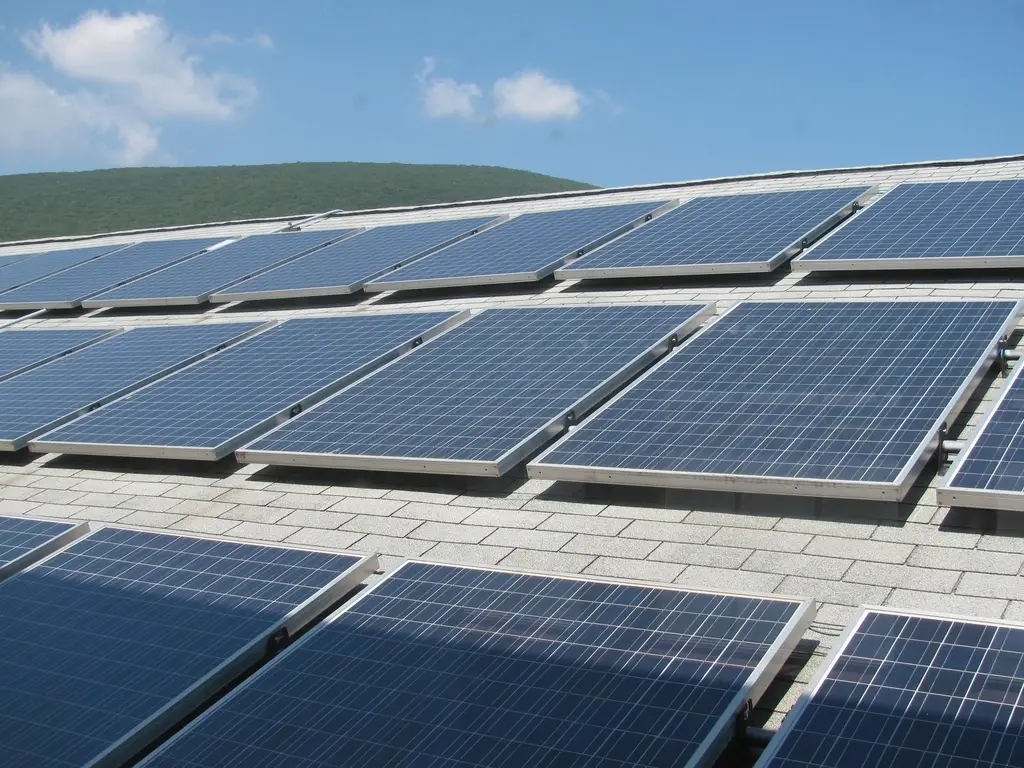 Property typesFlat, metal, pitched and asbestos roofs, ground mounts and carports.
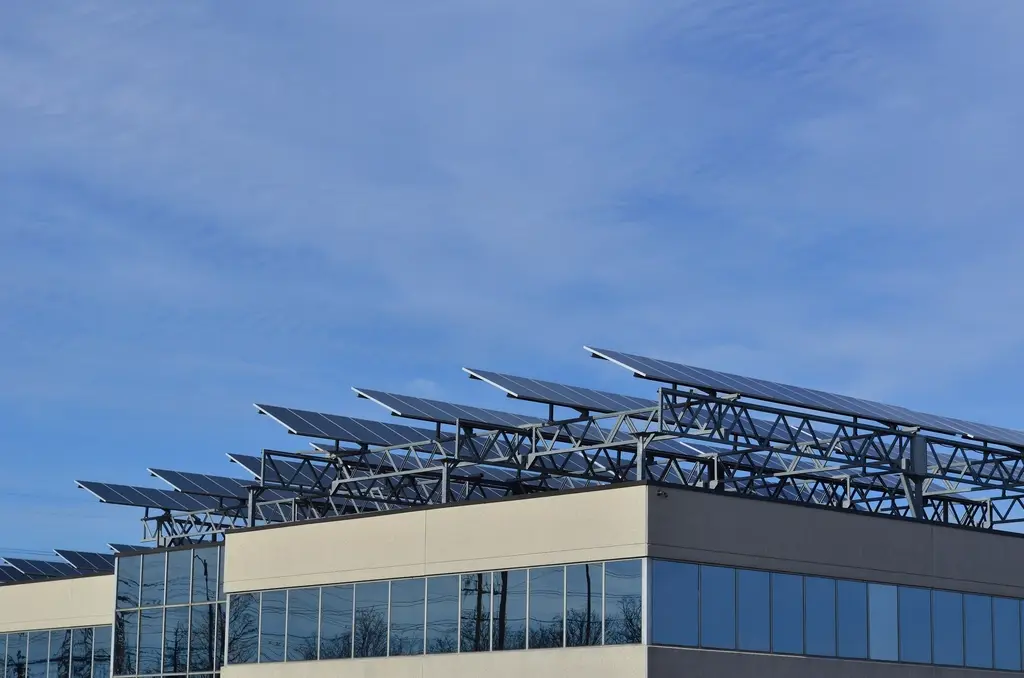 FinancePurchase, finance, PPAs, tax relief and export income explained.
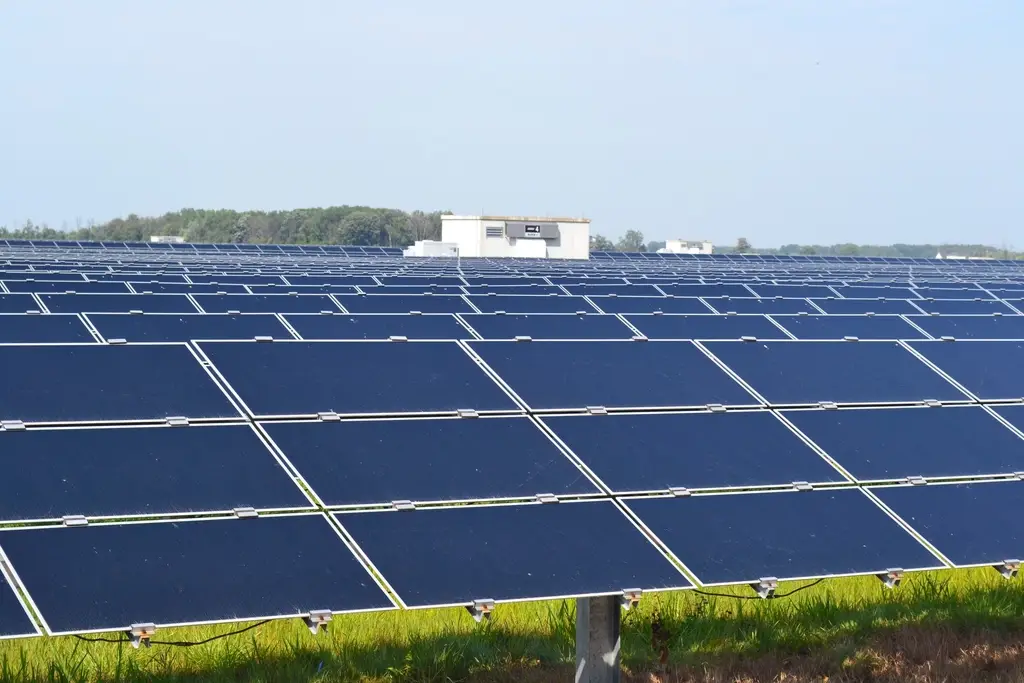 GrantsAn honest overview of funding for commercial solar across the UK: tax reliefs, rates exemptions, VAT, export payments, loans and the schemes run in each nation.