
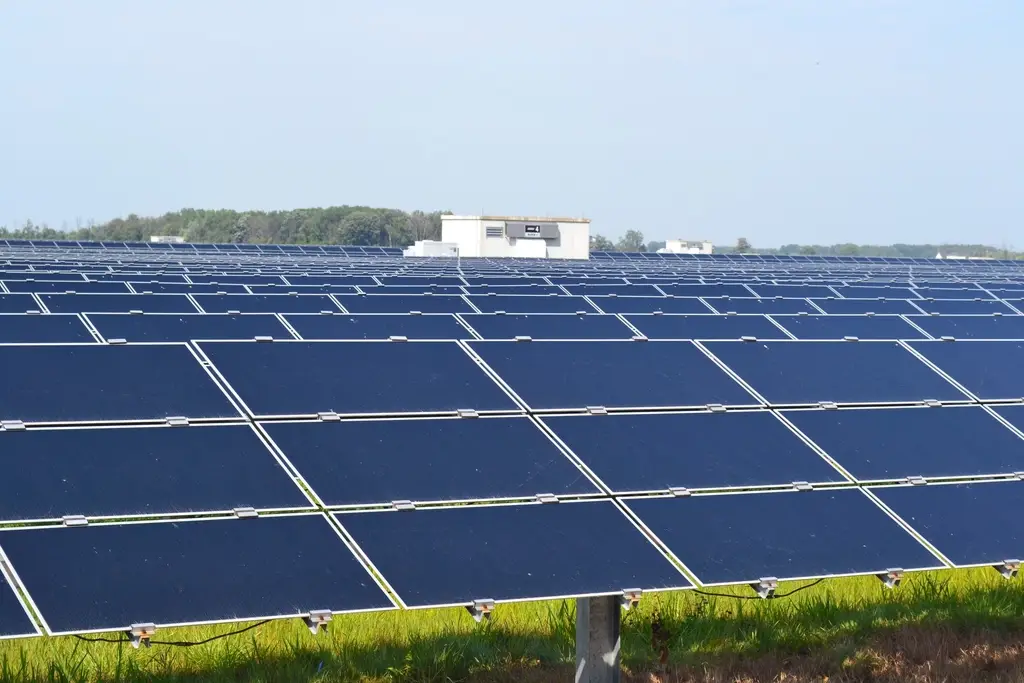
The honest picture
As of November 2026, there is no single UK-wide capital grant that pays for solar panels on most business premises. Schemes do open and close, often for specific groups such as community energy organisations, public bodies or businesses in one nation. If an installer tells you a grant will cover your system, ask for the scheme name and check it on the official website before you sign anything.
For most commercial sites, solar pays for itself through lower electricity bills. Funding support improves the numbers, but it rarely makes or breaks a well designed project.
What support does exist
Tax reliefs
Businesses that buy solar can usually claim capital allowances. The Annual Investment Allowance gives 100% relief on up to £1 million of qualifying spending a year, and companies can also claim a 50% first year allowance on special rate assets such as solar panels. These apply across the UK. Our capital allowances guide explains the rules. Always confirm the tax treatment with your accountant.
Business rates
England, Scotland and Wales each exempt eligible onsite renewable generation and storage plant and machinery from rating until 31 March 2035, from different start dates. Northern Ireland has its own rules, under which systems of 50 kW or less are not rateable. Each nation page gives the detail.
VAT
Commercial solar is normally standard rated at 20%, which VAT registered businesses recover in the usual way. Since 1 February 2024, installations in buildings used solely for a relevant charitable purpose can qualify for the zero rate for energy-saving materials. HMRC explains the conditions in VAT Notice 708/6. Charities should read our charities page and take advice before relying on it.
Export payments
In Great Britain, the Smart Export Guarantee pays for electricity you export, at rates set by each supplier. There is no SEG in Northern Ireland.
Nation and sector schemes
Each nation runs its own support, and Great British Energy funds community and public sector projects across the UK. Current examples include low interest loans for businesses and farms in Wales, a community buildings grant in Scotland and the GBE Community Fund for community energy groups in England, Wales and Northern Ireland.
Loans
Several public bodies offer loans rather than grants. A loan still has to be repaid, but low or zero interest can make it cheaper than commercial finance. Compare its total cost with commercial hire purchase, leasing and power purchase agreements before deciding.
How much difference support makes
It helps to put support in proportion. In our illustrative example, a 100 kWp system costing £90,000 saves about £18,180 a year. For a company paying the 25% main rate of corporation tax, the Annual Investment Allowance is worth about £22,500 in lower tax in the first year, which is more than a year's savings. The business rates exemptions mean the system should not add to your rates bill in England, Scotland or Wales, and export payments add a modest sum each year.
For an organisation that pays no tax, such as many charities, allowances are worth nothing, so the VAT zero rate, community grants and low interest loans matter more.
Be wary of "government funded" offers
Cold calls and adverts offering "government funded" or "free" commercial solar are common. Genuine public schemes are run by named bodies, have published eligibility rules and an official website, and do not ask you to pay a fee to apply. If an offer is really a power purchase agreement or a lease, it should say so plainly.
Support by nation
| Nation | Main support we found (November 2026) | Rates on onsite solar | Export payments | Planning |
|---|---|---|---|---|
| England | No general business grant; GBE Community Fund for community groups; GBE solar for selected schools and NHS sites | Exempt from 1 April 2022 to 31 March 2035 | Smart Export Guarantee | Permitted development widened in December 2023, with conditions |
| Scotland | Business Energy Scotland advice; SME Loan not currently taking solar PV; CARES Community Buildings Fund | Exempt from 1 April 2023 to 31 March 2035 | Smart Export Guarantee | Permitted development widened in 2024, with conditions |
| Wales | Development Bank of Wales Green Business Loan Scheme; farm loans; Welsh Government Energy Service; GBE Community Fund | Exempt from 1 April 2024 to 31 March 2035 | Smart Export Guarantee | Separate Welsh rules |
| Northern Ireland | Invest NI advice; Energy Efficiency Capital Grant paused; GBE Community Fund | Not rateable at 50 kW or less; larger systems may be | No SEG | Separate NI rules |
Support for particular organisations
- Schools and colleges: funding has mostly come through targeted government and Great British Energy programmes rather than open applications. Check with your local authority, trust or the relevant nation's energy service.
- Public bodies: public sector decarbonisation schemes have funded solar alongside heating upgrades, but many rounds are now closed.
- Charities and community groups: community energy funds are the most active source of grant funding in 2026. Charities may also benefit from the VAT zero rate.
- Farms: Wales currently offers a low interest loan for farm renewables. Elsewhere, check the farming department in your nation.
Before you apply for anything
- Do not start work or pay deposits before you have a written offer. Many schemes refuse funding for work already under way.
- Get proper quotes and a design. Most schemes ask for at least one detailed quote, and some ask for two.
- Check the payback rules. Some loans require a maximum payback period.
- Keep your tax adviser involved. Grants can reduce the cost you can claim allowances on.
A free survey gives you the system design, generation estimate and costs that funders and lenders ask for. Request a free survey to get those figures for your site.
In this section
- EnglandCurrent solar support in England for businesses, schools, public bodies, community groups and farms, plus rates, planning and who to contact.
- ScotlandCurrent solar support in Scotland for businesses, community groups, public bodies, schools and farms, with rates, planning and official contacts.
- WalesCurrent solar support in Wales for businesses, farms, public bodies and community groups, with rates, planning and official contacts.
- Northern IrelandCurrent solar support in Northern Ireland for businesses, community groups, public bodies and farms, plus export, rates, planning and official contacts.
Frequently asked questions
Is there a government grant for commercial solar panels?
Not a general one. As of November 2026, there is no UK-wide capital grant that pays for solar on most business premises. Support comes mainly through capital allowances, business rates exemptions, export payments and, in some nations, loans or targeted schemes for community groups, public bodies or farms. Check the page for your nation for what is currently available.
Can charities get help with the cost of solar?
Possibly in several ways. Since 1 February 2024, solar installed in buildings used solely for a relevant charitable purpose can qualify for the VAT zero rate. Community energy funds and community buildings grants in some nations also support charities. Because charities often pay no tax, capital allowances may not help, so check every option with your adviser.
Do I pay business rates on solar panels?
In England, Scotland and Wales, eligible onsite renewable generation and storage plant and machinery is exempt from business rates until 31 March 2035. In Northern Ireland, systems of 50 kW or less are not rateable, while larger systems mainly used on site may be valued with the property. Confirm the position for your site with the rating authority.
Will a grant affect my capital allowances?
It can. Where public money pays for part of an asset, the amount you can claim allowances on is often reduced by the grant. The effect depends on the scheme and your circumstances, so ask your accountant to model the net position before you accept an offer.
Why does my installer say there is a solar grant?
Sometimes they mean tax relief or export payments rather than a grant, and sometimes they mean a scheme that is only open to certain organisations or areas. Ask for the scheme name and a link to the official page, check the eligibility rules yourself and never pay for work based on a grant you have not been offered in writing.
Related pages
- EnglandCurrent solar support in England for businesses, schools, public bodies, community groups and farms, plus rates, planning and who to contact.
- ScotlandCurrent solar support in Scotland for businesses, community groups, public bodies, schools and farms, with rates, planning and official contacts.
- WalesCurrent solar support in Wales for businesses, farms, public bodies and community groups, with rates, planning and official contacts.
- Northern IrelandCurrent solar support in Northern Ireland for businesses, community groups, public bodies and farms, plus export, rates, planning and official contacts.
 Capital allowancesHow solar panels are treated for capital allowances: the special rate pool, the Annual Investment Allowance, the 50% first year allowance for companies, and illustrative examples.
 Smart Export GuaranteeHow SEG export payments work for business solar in Great Britain, who is eligible, what accreditation and metering you need, and how much export adds to the case.