
How asset finance works for solar
With asset finance, a lender or lessor pays the installer and you repay in regular instalments over an agreed term. The solar system itself usually acts as security. Because commercial solar produces a predictable saving, many organisations aim to set the term so that monthly savings are higher than monthly payments.
We do not arrange or sell finance. The figures here are general and illustrative. Always get the terms in writing from a regulated lender, and check the tax and accounting treatment with your accountant before signing.
Hire purchase
Under hire purchase you pay a deposit, or sometimes nothing, then fixed instalments. At the end you pay a small final fee, if any, and the system becomes yours.
- Ownership: you normally become the legal owner at the end, but for tax purposes you are usually treated as the owner from the start.
- Allowances: you can usually claim capital allowances once the system is in use, even though you have not finished paying. Interest is generally a deductible business cost.
- Best for: organisations that want to own the system and use the tax relief, but would rather not pay the full cost upfront.
Finance lease
A finance lease is a lease for most of the system's useful life. The lessor owns the equipment and you pay rentals that cover almost all of its cost plus interest.
- Ownership: the lessor keeps ownership. At the end you may be able to continue on a low secondary rental, or the system may be sold with part of the proceeds passed to you.
- Allowances: the lessor normally claims capital allowances, though special rules for long funding leases can switch relief to you instead. You may be able to deduct the rentals, or the interest and depreciation, depending on how the lease is classified.
- Best for: organisations that cannot use capital allowances efficiently, or prefer a lease structure.
Operating lease
An operating lease is shorter than the useful life of the asset. The lessor takes the risk on its value at the end and you pay a rental for using it.
- Ownership: the lessor owns the system throughout.
- Allowances: the lessor claims any capital allowances. You generally deduct the rentals as a running cost.
- Best for: organisations that want a lower commitment and may not stay on the site for the full life of the panels. True operating leases for rooftop solar are less common, because panels are fixed to the building and are hard to remove and re-use.
Comparison at a glance
| Hire purchase | Finance lease | Operating lease | |
|---|---|---|---|
| Who owns it during the term | The lender, with you treated as owner for tax | The lessor | The lessor |
| Who owns it at the end | Usually you | Usually the lessor | The lessor |
| Who usually claims capital allowances | You | The lessor, unless long funding lease rules apply | The lessor |
| How you get tax relief | Allowances on the cost, plus interest | Rentals or interest and depreciation, depending on the lease | Rentals as a running cost |
| Typical term | Often 3 to 10 years | Often most of the asset's useful life | Shorter than the asset's life |
This table is a simplification. The real treatment depends on the contract wording and your circumstances, so ask your accountant to check it.
Aiming for cash flow positive from day one
The simplest test is whether the annual finance cost is lower than the annual saving. Take the illustrative example from our solar payback guide: a 100 kWp system costing £90,000 saves about £18,180 a year.
Spread over seven years with no interest, £90,000 would be about £12,860 a year. Interest adds to that, so ask for the full repayment schedule, but there is clearly room for a finance agreement to cost less each year than the system saves. Once the agreement ends, almost all of the saving is yours for the remaining life of the panels.
Things that can turn a cash positive project negative:
- A term too short for the size of the saving.
- Lower self-consumption than expected, for example if the site is closed at weekends.
- Balloon payments or high final fees.
- Unexpected roof, scaffolding or grid costs added after the finance is agreed.
Comparing finance quotes
Finance offers can look similar until you compare them on the same basis. Ask each lender for:
- The total amount payable over the term, not just the monthly payment.
- The interest rate and any arrangement, documentation or option to purchase fees.
- Whether there is a balloon or final payment.
- The cost of settling early, for example if you sell the building.
- Any requirement to insure the system or keep it maintained to a set standard.
VAT is handled differently too. Under hire purchase, VAT is normally due upfront on the cash price, which VAT registered businesses then reclaim in the usual way. Under a lease, VAT is usually charged on each rental. That affects cash flow in the first quarter, even if you recover the VAT. Organisations that cannot recover VAT should include it in every comparison.
Combining finance with tax relief
Hire purchase can combine low upfront cost with early tax relief. In the illustrative example, a company buying the £90,000 system on hire purchase and claiming the Annual Investment Allowance could reduce its taxable profits by £90,000 in the first year, worth £22,500 at the 25% main rate of corporation tax, while spreading the cost over several years. Whether that works for you depends on your profits, your other spending and the agreement itself, so model it with your accountant first.
How the accounting is changing
From 1 January 2026, many UK companies reporting under FRS 102 bring most leases onto the balance sheet as a right of use asset and a lease liability, in a similar way to IFRS 16. That narrows the difference in accounting presentation between leasing and buying. Micro-entities using FRS 105 are not affected in the same way. Your accountant can tell you how a particular agreement would be shown.
What lenders will ask for
Expect to provide recent accounts, a credit check, the installer's quote and system design, and evidence that the site can take the system. A lender may also ask for a structural survey, confirmation of grid capacity through the G99 process and, if you rent, the landlord's consent.
Who to ask
Your accountant should advise on the tax and accounting effect of each structure and on how it interacts with our capital allowances guide. Some nations also offer public loans for energy projects, which we list on our grants pages. Scotland's SME Loan Scheme is not taking solar PV at present, and in Wales Ynni Cymru grants fund solar only as part of a wider local energy system. If you are still weighing finance against a power purchase agreement, our PPA vs CapEx comparison sets out the differences.
A free survey gives lenders and your accountant the design, cost and generation figures they need. Request a free survey to get those numbers for your site.
Frequently asked questions
Can I claim capital allowances on solar bought on hire purchase?
Usually yes. Under hire purchase you are generally treated as the owner for capital allowances once the system is brought into use, so you may be able to claim the Annual Investment Allowance or, for companies, the 50% first year allowance on the cost. Interest is normally a deductible expense. Check the treatment of your specific agreement with your accountant.
Is it better to lease or buy commercial solar?
Buying, either outright or on hire purchase, usually gives the biggest lifetime saving and lets you claim tax relief. Leasing can suit organisations that cannot use capital allowances or want the lessor to keep ownership. The best route depends on your tax position, your tenure and the cost of finance, so compare the full cost of each option over the life of the system.
How long are solar finance agreements?
Terms vary by lender. Hire purchase and loans for commercial equipment often run for 3 to 10 years. A longer term lowers the annual payment, which makes it easier for savings to exceed repayments, but increases the total interest paid. Match the term to the life of the roof and to how long you expect to stay in the building.
Will a lender finance solar on a rented building?
Some will, but they will want the landlord's written consent and a lease that runs longer than the finance term. Because panels are fixed to the roof, the lender's security is weaker than with moveable equipment, so expect closer checks. Landlord owned systems, or a power purchase agreement agreed with the landlord, are common alternatives for short leases.
Related pages
 Capital allowancesHow solar panels are treated for capital allowances: the special rate pool, the Annual Investment Allowance, the 50% first year allowance for companies, and illustrative examples.
 PPA vs CapExA side by side comparison of outright purchase, rooftop PPAs and lease or asset finance, including how lease length and site tenure change the answer.
 Power purchase agreementsHow on-site solar PPAs work, typical contract lengths, how prices rise over time, what happens if you sell or move, and the clauses to check before signing.
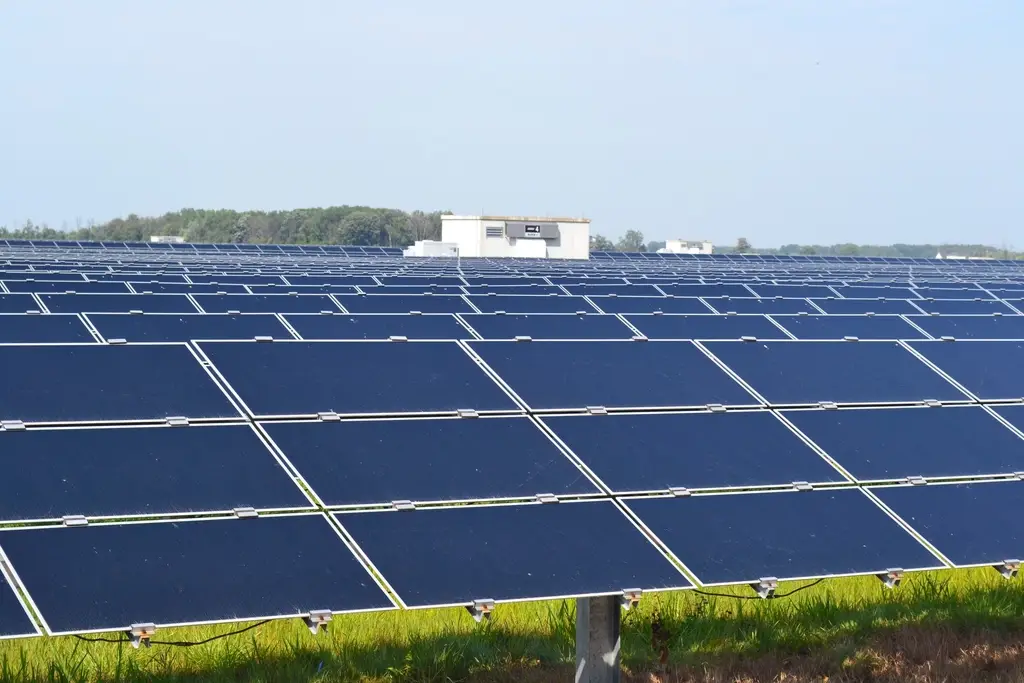 Solar paybackA worked payback example for a 100 kWp system, the factors that move the result most, the effect of tax relief, and a calculator to try your own figures.
- GrantsAn honest overview of funding for commercial solar across the UK: tax reliefs, rates exemptions, VAT, export payments, loans and the schemes run in each nation.