
The term-time problem, and how to plan around it
A school's electricity use follows the school day: lighting, ICT suites, interactive screens, kitchens at lunchtime, sports halls and, in newer buildings, heat pumps and mechanical ventilation. That daytime profile overlaps well with solar generation for most of the year.
The difficulty is the calendar. Most schools in England are open to pupils for around 190 days a year, and the longest closure falls in July and August, when a rooftop array produces its highest monthly output. Unless the site is busy over the summer, a good share of the year's generation can end up being exported at an export tariff rather than replacing electricity bought at your own unit rate.
Ways schools improve the match include:
| Approach | How it helps |
|---|---|
| Size the array to term-time demand | Reduces the share of generation exported in holidays and weekends |
| Holiday clubs, lettings and summer schools | Adds demand when generation is highest; your lettings calendar matters |
| Year-round loads | Kitchens serving holiday provision, server rooms, swimming pool plant and boarding houses keep demand up |
| Battery storage | Moves midday generation into late afternoon and early evening use such as sports lettings, though it adds cost |
| Export tariff choice | Eligible systems can earn payments for exported units under the Smart Export Guarantee, so the tariff offered affects the holiday months |
Colleges and further education sites often have a better profile than schools because teaching runs over a longer year, and many have workshops, catering and evening classes. Independent schools with boarding houses also tend to have demand that continues outside term time.
Building issues a school survey checks
Roof types and construction
School estates are usually a mix of buildings from different decades. Victorian buildings may have slate pitched roofs, post-war system-built blocks often have flat roofs with felt finishes, and newer buildings may have membrane or standing seam metal roofs. Each block is assessed separately for condition, remaining life and capacity.
Many schools built before 2000 contain asbestos in some form, and the school should already hold an asbestos management survey. The installer will need it, and may need a further refurbishment survey for any area where work disturbs the fabric.
RAAC and structural checks
Reinforced autoclaved aerated concrete (RAAC) has been found in roofs and other elements of some school buildings. Any roof where RAAC is present or suspected must not have extra load added until it has been assessed by a structural engineer and any remedial work agreed. Tell the surveyor about any RAAC investigation and its outcome. More generally, a structural survey confirms whether each roof can take the weight of the system.
Safeguarding and timing
Work on a school site has to fit safeguarding procedures. Installers working during term time need to be separated from pupils, with controlled access routes and secure storage for materials. Many schools prefer the roof work and electrical tie-in to happen during holidays, which means the design and approvals need to be finished well in advance. Starting the survey in the autumn or spring term gives the best chance of a summer installation.
Multiple supplies
Larger schools and colleges may have several meters, sometimes one per building. The survey identifies which supply serves the heaviest daytime load and whether cables can be run between buildings.
Funding, ownership and approvals
Who owns the building
This determines who must approve the project:
- Maintained community schools: the local authority usually owns the land and buildings and will need to agree to the works.
- Voluntary aided and some voluntary controlled schools: the diocese or trustees often own the buildings, alongside local authority involvement.
- Academies: the trust usually occupies the site under a long lease from the local authority, so landlord consent may be needed. Trusts also need to check their own governance rules and the Academy Trust Handbook, which sets out when certain transactions, such as some leases and borrowing, need Department for Education approval.
- Colleges and independent schools: usually own their estates, with approval resting with the governing body or board.
Paying for the system
Schools often do not have capital budgets for solar, which is why funding routes matter.
- Buying outright gives the full saving but needs capital. Capital allowances are generally not relevant for maintained schools and academies, because they do not pay corporation tax in the usual way.
- Power purchase agreements let a funder own the system and sell the electricity to the school at an agreed rate, with no upfront cost. Check the contract length, price indexation and what happens if the school changes status. See PPA vs buying outright.
- Public funding: Great British Energy has announced funding for solar panels on schools and colleges in England, delivered in phases. Eligibility and how schools are selected have varied between phases. Our England grants page tracks the main schemes.
TODO for the site owner: Verify the current status of the Great British Energy schools and colleges solar funding (phase, eligibility, how schools apply or are selected, and any funding caps) against official DfE or Great British Energy sources before publishing detail.
Ask your finance team or accountant how VAT will be treated, since the position differs between maintained schools, academies, colleges and independent schools.
What to have ready for a school survey
- 12 months of half-hourly data for each meter, or the supplier details for each
- Term dates, holiday club and lettings calendars
- Site plan showing each building and its approximate age
- Asbestos management survey and any RAAC assessments
- Who owns the land and buildings, and the contact at the local authority, diocese or trust
- Any existing condition survey or estates plan for the site
- Preferred installation windows
Our how a survey works page explains the process from enquiry to report. You can request a free survey for a single school or for several schools in a trust.
Frequently asked questions
Is solar worth it if the school is closed all summer?
It can be, but the array should be sized with the summer closure in mind. A system matched to term-time demand will export less in the holidays, and holiday clubs, lettings or year-round loads such as kitchens and server rooms help further. The survey models your real consumption across the full year, including the summer, so the payback reflects the school calendar rather than an assumption.
Can an academy trust survey several schools at once?
Yes, and it often makes sense. Surveying several sites together shows which roofs and demand profiles give the best returns, so the trust can prioritise. Each school still needs its own assessment of roofs, supplies and approvals, because buildings, ownership and lease terms often differ between schools in the same trust.
Who needs to approve solar panels on an academy?
Usually the academy trust board, and often the local authority as landlord if the site is held on a long lease. The trust should also check the Academy Trust Handbook and its funding agreement, since some leases and borrowing arrangements need Department for Education approval. Church academies may also need diocesan agreement. Starting these conversations early avoids delays later.
Can the installation happen without disrupting lessons?
Most schools schedule the roof work and electrical connection for holidays. Where some work happens in term time, the installer agrees a safeguarding plan with the school, including separate access routes, secure compounds and checks on site staff. Planning the survey and approvals early gives the best chance of fitting the installation into a holiday period.
What if our school roof contains RAAC?
Do not add load to a roof where RAAC is present or suspected until a structural engineer has assessed it and any remedial work has been agreed. Tell the surveyor about any RAAC investigation and its outcome. Other blocks on the same site may still be suitable, and a ground-mounted array or carport may be possible where roofs are not.
Related pages
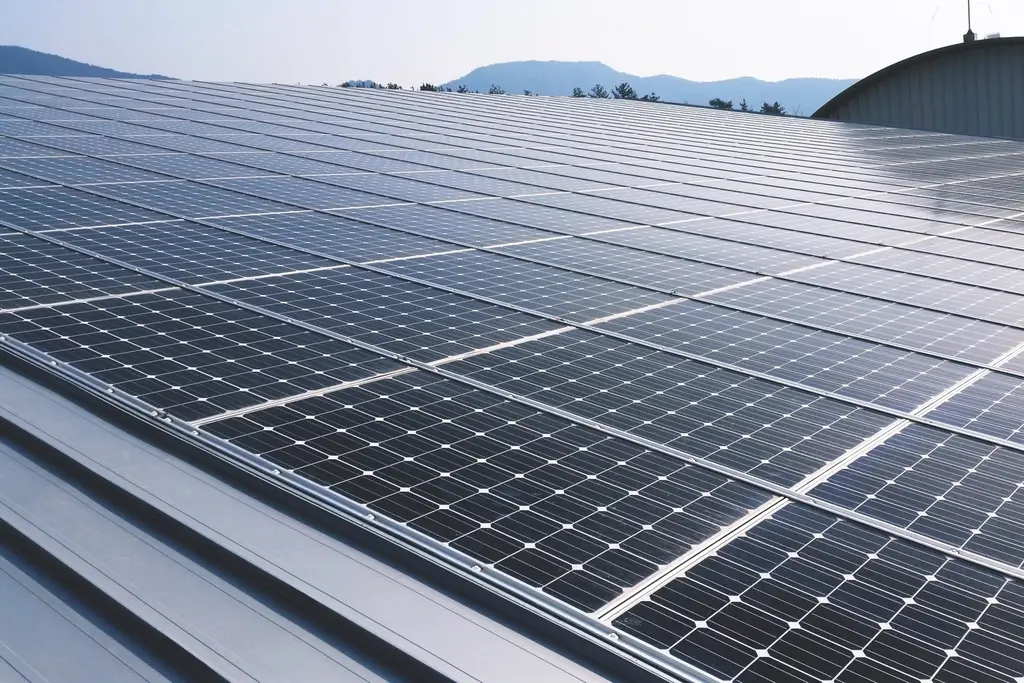 PPA vs CapExA side by side comparison of outright purchase, rooftop PPAs and lease or asset finance, including how lease length and site tenure change the answer.
- EnglandCurrent solar support in England for businesses, schools, public bodies, community groups and farms, plus rates, planning and who to contact.
 Battery storageWhen a commercial battery pays: storing surplus solar, time of use tariffs, peak shaving, sizing from half-hourly data, illustrative costs, safety and siting.
- Structural surveyWhat a structural assessment for rooftop solar checks: dead loads, wind uplift and snow, purlins and rafters, ballast, and when an engineer's report is needed.
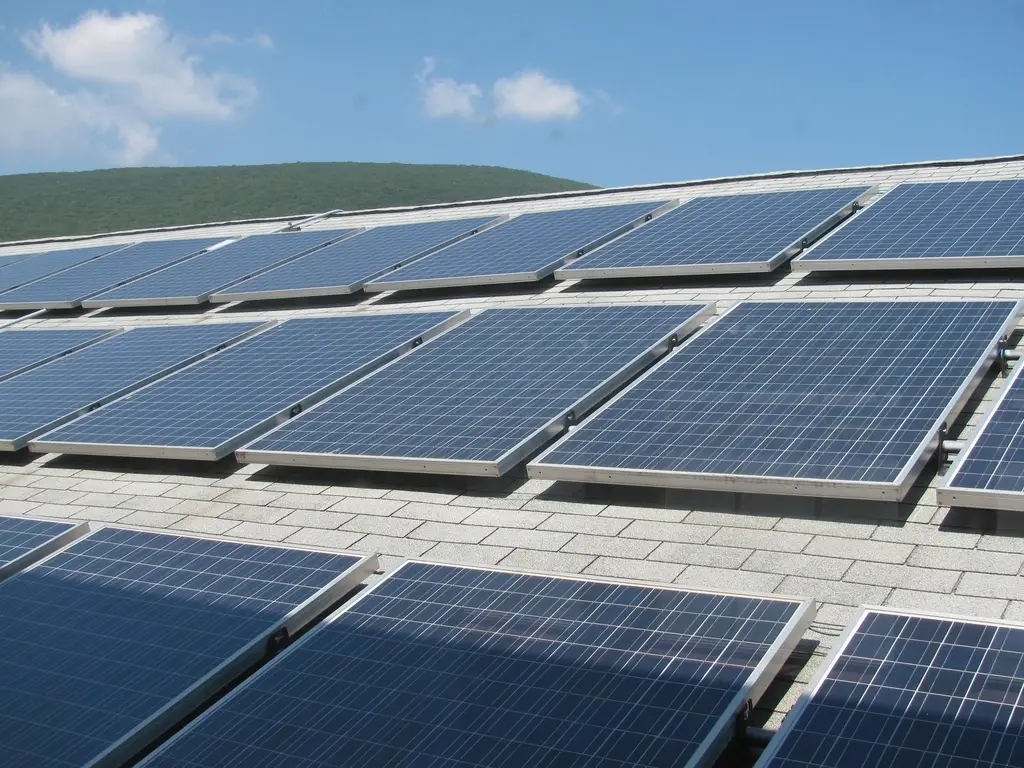 Flat roofsHow membrane type, ballasted or fixed mounting, east-west layouts, parapets, drainage and roof loading decide whether a flat roof suits solar.
- How a survey worksEach step from enquiry to costed proposal, what to prepare and what you receive.