
How hospitality demand lines up with solar
Hospitality covers very different energy profiles, and the case for solar varies with them.
Hotels
Hotels run 24 hours a day. Rooms need lighting, heating or cooling and hot water; kitchens serve breakfast, lunch and dinner; laundries run through the day; and many hotels have pools, spas or conference suites. Leisure hotels and resort properties are often busiest in summer, which suits solar well. Business hotels in towns may be fuller midweek, with demand that is steady across the year.
Pubs
A pub's demand often builds through the afternoon and peaks in the evening. Cellar cooling runs continuously, which gives a useful baseload, and lunchtime kitchen trade adds midday demand, but a good share of consumption happens after sunset in the winter months. Beer gardens and longer summer evenings help, since trading hours and daylight overlap more from late spring to early autumn.
Restaurants and cafés
Restaurants serving lunch use generation directly; those that open only for dinner see less overlap. Cafés with daytime trading are usually a better match than evening-only venues.
Holiday parks and campsites
Holiday parks tend to have their peak season in summer, closely matching generation. They also often have land for a ground-mounted array and central buildings such as reception, a clubhouse, a pool and a laundry. Some parks close or run at low occupancy in winter, so the model needs to reflect the full year.
| Business type | When demand peaks | Typical fit |
|---|---|---|
| Leisure or resort hotel | All day, highest in summer | Strong |
| Town centre business hotel | All day, steady through the year | Good |
| Pub with food | Lunchtime and evening, with continuous cellar cooling | Fair; battery storage worth modelling |
| Evening-only restaurant | Late afternoon to late evening | Weaker unless paired with storage |
| Holiday park | Daytime and evening in peak season | Strong in season; depends on winter use |
Hot water and heat
Hot water is one of the largest energy uses in many hospitality businesses. If water is heated by gas, solar PV does not reduce that cost directly. Where immersion heaters, electric boilers or heat pumps are used, PV generation can heat water during the day and store the energy in the cylinder for evening showers and kitchen use, which effectively shifts some generation into the evening. If you are planning to replace gas water heating with heat pumps, tell the surveyor, as it changes the demand profile considerably.
For evening-led businesses, battery storage is often the deciding factor. It can store surplus midday generation for the evening trade, though it adds cost and the survey should show whether it pays its way.
Building and site issues a hospitality survey checks
Historic and characterful buildings
Many hotels, inns and pubs are in older buildings, some listed or in conservation areas. Slate and clay tile pitched roofs need careful fixing, and thatched roofs are not suitable for panels at all. Listed buildings normally need listed building consent for solar, and conservation areas can restrict panels visible from the road; our planning permission guide explains the main points. Outbuildings, stable blocks or modern extensions can sometimes take panels where the main building cannot.
Kitchen extraction and roof plant
Commercial kitchen extract outlets discharge warm, grease-laden air. Panels placed close to extract outlets can be soiled and the area needs to stay accessible for duct cleaning, so the surveyor designs around them.
Guests, noise and access
Installation has to fit around guests: noise limits, restricted working hours, keeping fire escapes and car parks clear, and avoiding the busiest weeks of the season. Hotels with flat roofs may have guest rooms directly below, which affects when drilling and lifting can happen.
Rural parks and private networks
Holiday parks often have their own private electricity network distributing power from a single intake to lodges, caravans and amenity buildings. The survey looks at where the array would connect, whether the network can carry the generation and how much the DNO will allow to be exported, which can be limited in rural areas.
Finance and ownership questions for hospitality
Freehold, leasehold and tied pubs
Many pubs are owned by pub companies and run by tenants or lessees. The pub company usually owns the building and must consent to roof works, and the lease or tenancy may say how improvements are treated. Some pub companies run their own energy programmes, so check before commissioning work independently. Our commercial landlords page covers the wider landlord and tenant questions.
Franchised and managed hotels
Where a hotel operates under a brand franchise or a management contract, the property owner, the operator and the brand may all have a say. The owner usually decides on capital works, but brand standards can affect what is acceptable on the building.
Seasonal cash flow
Seasonal businesses may prefer to avoid a large capital payment before the busy period. A power purchase agreement or asset finance spreads the cost, while buying outright gives the full saving and capital allowances where you pay tax. Check the treatment with your accountant.
What to have ready for a hospitality survey
- A full 12 months of half-hourly data, so seasonal peaks and quiet months both show
- Opening hours and occupancy pattern across the year
- How hot water is heated, with details of boilers, cylinders and any heat pumps
- Kitchen, laundry, pool and spa equipment that uses significant power
- Listed building or conservation area status
- The lease, tenancy or franchise terms on alterations
- For parks, a plan of the private network and any land available for a ground-mounted array
Request a free survey and the surveyor will model your season, not an average year.
Frequently asked questions
Is solar worthwhile for a pub that is busiest in the evening?
It can be, but it needs careful sizing. Cellar cooling provides a continuous baseload and lunchtime trade adds midday demand, so a modest array may still be well used. Evening demand is better served with battery storage or by heating water electrically during the day. The survey uses your half-hourly data to show how much generation the pub would actually use.
Can solar panels help heat water for our hotel?
Solar PV produces electricity, so it helps with water heating only where water is heated electrically, for example by immersion heaters, electric boilers or heat pumps. In those cases midday generation can heat stored water for use later. If your hot water comes from gas boilers, PV will not reduce that cost unless the system changes, which the survey can factor in.
Our pub is a listed building. Can we still have solar?
Possibly, but listed building consent is normally needed, and the main roof may not be acceptable to the local authority. Outbuildings, rear extensions, garden structures or ground-mounted panels out of sight can sometimes be approved where the historic roof cannot. The survey identifies possible locations so you can discuss them with the conservation officer before applying.
Does a seasonal holiday park get enough value from solar?
Many do, because the busy season coincides with the months when panels generate most. The model must include the quiet months, when more generation may be exported. Holiday parks often have land suited to a ground-mounted array, but private site networks and rural grid limits can restrict the size, so the survey checks both.
Related pages
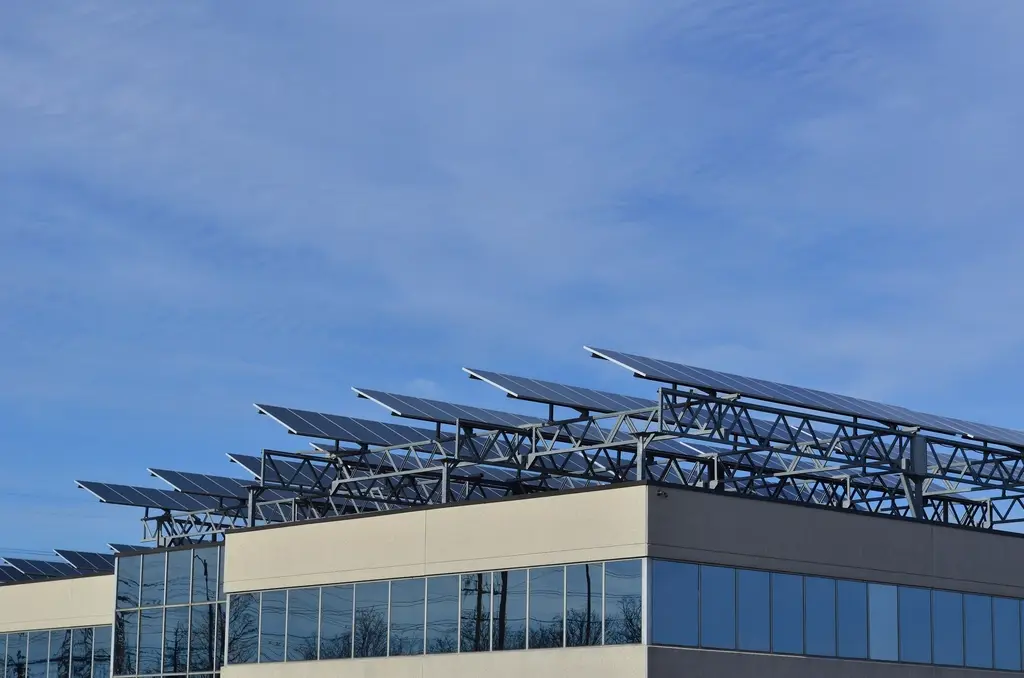 Battery storageWhen a commercial battery pays: storing surplus solar, time of use tariffs, peak shaving, sizing from half-hourly data, illustrative costs, safety and siting.
- Pitched roofsTile and slate roofs on older commercial and agricultural buildings: in-roof or on-roof mounting, rafters, orientation and heritage limits.
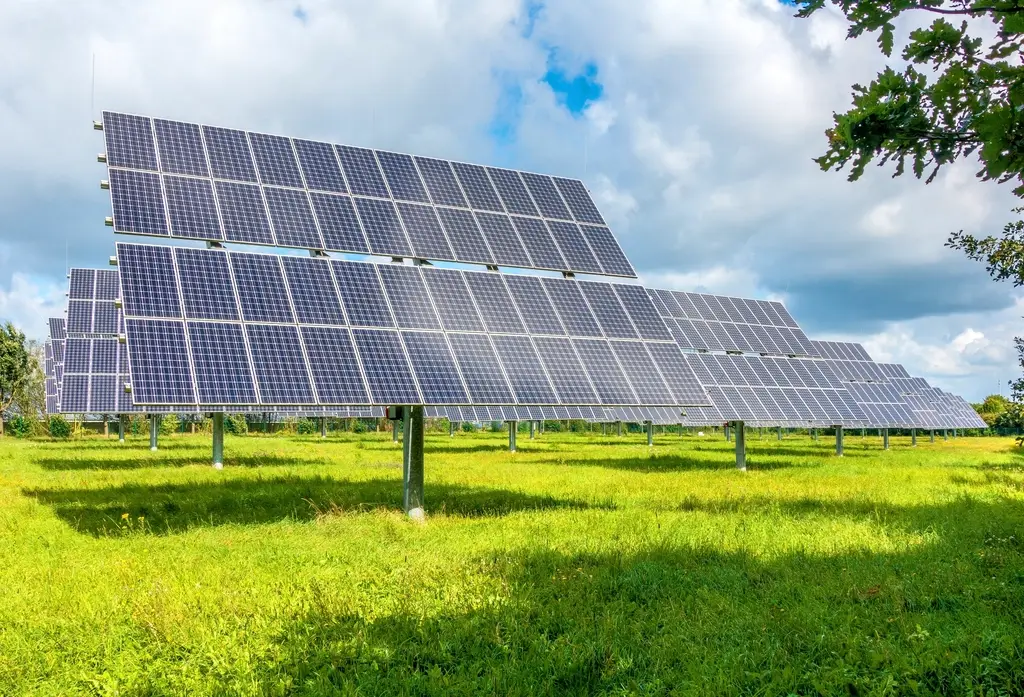 Ground-mounted solarGround-mounted solar on business or farm land: planning, land choice, cable runs, grid connection, security and biodiversity.
- Planning permissionPermitted development for commercial rooftop solar and car park canopies in England, prior approval, heritage limits, ground-mounted schemes and the other UK nations.
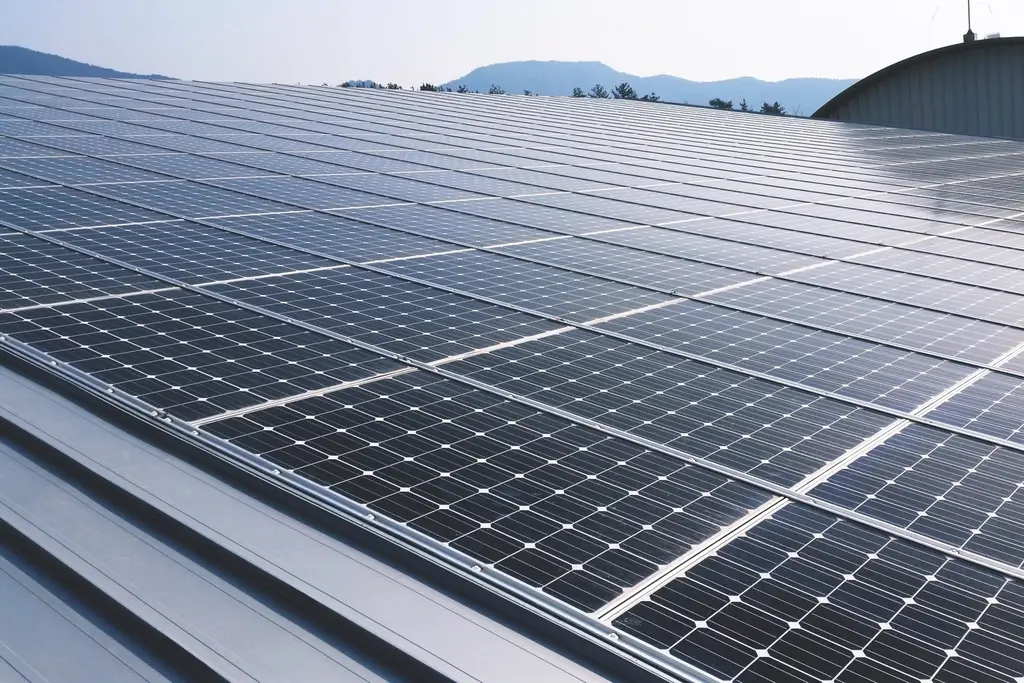 PPA vs CapExA side by side comparison of outright purchase, rooftop PPAs and lease or asset finance, including how lease length and site tenure change the answer.
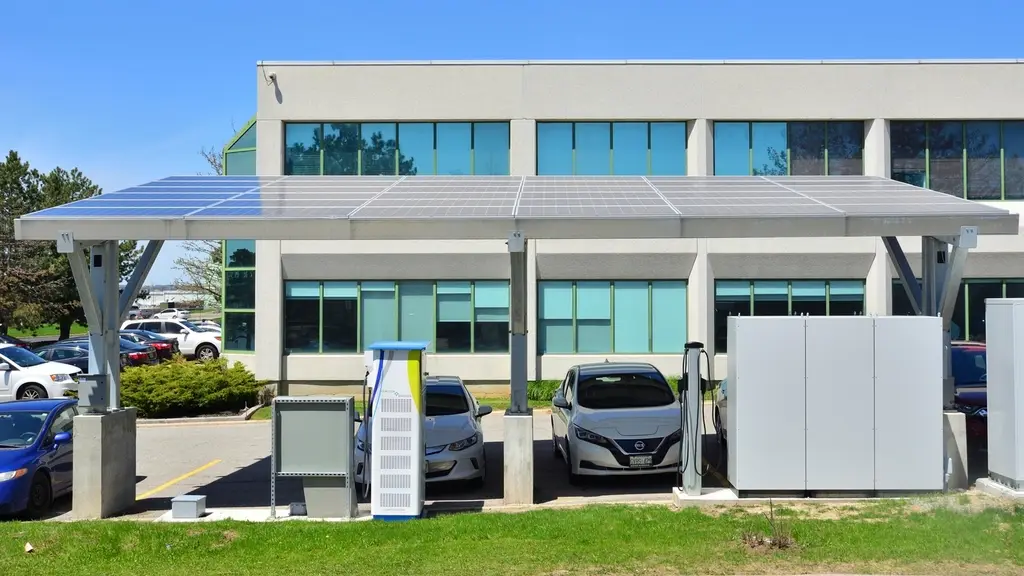 EV chargingHow to plan workplace and fleet EV charging with solar: supply capacity, load management, charger types, matching generation to charging and grant support.