
The short answer
- Panels: performance warranties are commonly 25 to 30 years, and panels often keep working beyond that at reduced output.
- Inverters: usually the first major component to need replacing, often once in the life of the system, typically after 10 to 15 years.
- Mounting and cabling: designed to last as long as the panels if installed and maintained well.
- The roof: often the real limit. If the roof covering will not last as long as the panels, plan for that before installing.
- Payback: an illustrative commercial system can pay back in around five years, leaving many years of generation within the warranty period. Your survey models your own figures.
The components and how long they typically last
A commercial PV system is several components with different lifespans. Treat these as typical guides rather than guarantees.
| Component | Typical life or warranty basis | What to plan for |
|---|---|---|
| Panels | Performance warranties commonly 25 to 30 years | Gradual output decline; occasional individual panel failures |
| Inverters | Often replaced once, typically after 10 to 15 years | Budget for replacement; check warranty extension options |
| Mounting system | Designed for the life of the array | Inspect for corrosion and loose fixings |
| DC and AC cabling, connectors | Designed for the life of the array | Inspect for damage, UV degradation, rodents |
| Monitoring and communications | Shorter, depends on technology | Plan for hardware and connectivity updates |
| Battery storage, if fitted | Separate warranty, often based on years and cycles | Check the warranty terms for your use pattern |
Product warranty versus performance warranty
Panel manufacturers usually offer two separate warranties, and it is worth understanding the difference.
Product warranty
The product warranty covers defects in materials and workmanship: delamination, broken junction boxes, frame failures and similar faults. It is usually considerably shorter than the performance warranty and varies by manufacturer and product range. If a panel fails under the product warranty, the manufacturer typically repairs or replaces it, but labour, access and scaffolding may not be included.
Performance warranty
The performance warranty guarantees that the panel will still produce a stated percentage of its original rated output after a set number of years, commonly 25 to 30. It is often expressed as a maximum output loss in the first year followed by a maximum annual decline. If a panel falls below the guaranteed level, you can claim under the warranty, although you will need test evidence.
What to check on the datasheet
- length of the product warranty and the performance warranty,
- guaranteed output at the end of the warranty period,
- whether the warranty is backed by the manufacturer directly or through an insurer,
- whether labour, removal and refitting costs are covered,
- the process for making a claim, and whether the warranty transfers if you sell the building.
A warranty is only as strong as the business behind it. Your installer should be able to explain who stands behind each warranty and how claims work in practice.
Degradation in general terms
All solar panels lose a little output over time. In general terms:
- there is often a slightly larger drop in the first year as the cells stabilise, then a slower, steady decline,
- the rate varies with panel technology, manufacturing quality and operating conditions,
- heat, shading, soiling, physical damage and electrical faults can all speed it up.
Degradation is gradual, not a cliff edge. A panel at the end of its performance warranty is still producing most of its original output, so many systems continue to generate useful electricity beyond 25 or 30 years.
Your installer's generation forecast should include an assumed degradation rate. When comparing quotes, check that each forecast uses a realistic rate based on the panel's warranty, rather than assuming output stays flat.
Inverter replacement
Inverters convert the DC electricity from the panels into AC electricity for the building. They contain electronic components that wear out faster than panels, and they are usually the first major replacement.
- String inverters, the most common type on commercial roofs, are often replaced once during the life of the system, typically after 10 to 15 years.
- Central inverters on larger systems may be repaired or refurbished rather than replaced outright.
- Microinverters and optimisers sit at panel level, often with longer warranties, but replacements involve roof access.
Many manufacturers offer extended warranties at the point of purchase. Whether they are worth it depends on the price and the replacement cost, which your installer can estimate. Either way, include an inverter replacement in your long term cost model. Our maintenance guide covers how monitoring helps spot inverter problems early.
Mounting systems and roof life
The mounting system is designed to last as long as the panels, provided it is correctly specified and installed. Aluminium rails and stainless steel fixings resist corrosion well, but problems can arise where different metals touch, where fixings were overtightened or under-sealed, or where coastal or agricultural environments are more aggressive.
Aligning solar with the life of the roof
The roof covering is often the real limit on system life. If the roof needs replacing in year 12, the array has to come off and go back on, with scaffolding, labour, downtime and some risk of damage.
Before you install, the roof survey should give you a clear view of the covering's condition and remaining life. Options include:
- install now where the roof has plenty of life left,
- repair then install where local defects can be fixed,
- re-roof then install where the covering is near the end of its life, which is common with older metal roofs and essential with asbestos cement roofs.
Combining roof works with solar installation often saves on access costs and avoids a disruptive removal later.
What shortens solar system life
Most early failures come from design and installation rather than the panels themselves. Common causes include:
- mismatched or poorly crimped connectors,
- cables left on the roof surface or rubbing against sharp edges,
- panels walked on during installation or cleaning,
- persistent shading of part of a panel, causing hotspots,
- blocked drainage on flat roofs leading to standing water around frames,
- storm damage where wind design was inadequate.
Good design, competent installation and regular inspection address almost all of these.
End of life and WEEE recycling
Eventually, panels will be replaced or the system will be decommissioned. Solar panels are within the scope of the UK Waste Electrical and Electronic Equipment (WEEE) Regulations, which place obligations on producers to finance the collection and treatment of panels at end of life. Panels are largely glass, aluminium and silicon, much of which can be recovered.
At end of life you can typically:
- repower the system with new panels and inverters, reusing the mounting and cabling where they are in good condition,
- decommission the system and return the roof or land to its previous state,
- sell or reuse working panels where there is a market for them, though reused panels may not carry warranties.
Ask your installer how end of life is handled for the products they supply, and keep a record of the manufacturer and model numbers.
GOV.UK says all PV panels are electrical and electronic equipment under the WEEE Regulations, in category 14, and that because of their generic size and design they are reported as household (B2C) equipment wherever they are installed, including on commercial premises and in solar farms (GOV.UK). At the end of their life they go through the WEEE system rather than general waste.
How lifespan affects payback
Payback is the time it takes for savings to repay the investment. Lifespan matters because the years after payback are where most of the financial benefit sits.
Example: In our illustrative worked example, a 100 kWp rooftop system at an illustrative £900 per kWp costs £90,000 excluding VAT. It generates about 90,000 kWh a year (900 kWh per kWp). If 80% is used on site at an illustrative 24p per kWh, that saves £17,280; exporting the remaining 20% at an illustrative 5p per kWh earns £900. That is about £18,180 a year before maintenance, giving a simple payback of roughly five years before tax relief.
With panel performance warranties of 25 to 30 years, a five year payback leaves a long period of savings. A realistic lifetime model should still include:
- gradual degradation of output,
- one inverter replacement, typically after 10 to 15 years,
- routine maintenance and insurance,
- any roof works needed during the system's life,
- changes in your own unit rate and site demand.
Our solar payback page explains the calculation in more detail, and the cost guide covers typical installed prices.
Lifespan, lease length and ownership
System life has a direct bearing on property and finance decisions.
If you lease your building
If your lease has less time to run than your expected payback, you may not see the full benefit, and you will need landlord consent. Points to agree include who owns the panels, what happens at lease end, whether the system counts towards dilapidations, and whether a new tenant or the landlord will take it over. Our commercial landlords page covers how landlords and tenants share the benefits.
Third-party ownership and finance
Under a power purchase agreement, a third party owns the system and sells you the electricity. These contracts usually run for many years, so the term needs to fit your lease or ownership plans, the roof's remaining life and any plans to sell or redevelop. Leasing and asset finance have similar considerations. Our PPA versus capital purchase guide compares the options.
If you own the building
Owner-occupiers have the most flexibility, but should still consider the roof's remaining life, any plans to extend or sell, and how the system will be described to a future buyer or valuer.
Questions to ask your installer
- What are the product and performance warranties on the panels, and who backs them?
- What degradation rate does your generation forecast assume?
- What is the inverter warranty, and what would replacement cost?
- Does the roof have enough life left to match the panels?
- How will the mounting system resist corrosion in this environment?
- What maintenance and monitoring do you recommend?
- How is end of life handled for the products you supply?
The free survey we arrange looks at the roof's condition and remaining life alongside generation and costs, so lifespan is part of the picture from the start. You can request a free survey whenever you are ready.
Frequently asked questions
How long do commercial solar panels last?
Panel performance warranties are commonly 25 to 30 years, and panels often keep producing useful electricity beyond that at gradually reduced output. The rest of the system has different lifespans: inverters are often replaced once, typically after 10 to 15 years, and the roof underneath may need attention sooner. The survey checks how these lifespans line up for your building.
What is the difference between a product and performance warranty?
A product warranty covers defects in the panel itself, such as delamination or junction box failures, and is usually much shorter. A performance warranty guarantees the panel will still produce a stated percentage of its original output after a set period, commonly 25 to 30 years. Check both, who backs them, and whether labour and access costs are included in a claim.
When will I need to replace the inverter?
Inverters are usually the first major component to need replacing, often once in the life of a system, typically after 10 to 15 years. Exact timing depends on the product, operating conditions and maintenance. Monitoring helps spot declining performance early. Include a replacement in your long term cost model, and consider whether an extended warranty offered at purchase is good value.
What happens to solar panels at the end of their life?
They can be replaced with new panels in a repowering project, reusing mounting and cabling where suitable, or the system can be decommissioned. Solar panels fall within the UK WEEE regulations, which put responsibilities on producers for collection and treatment. Panels are mostly glass, aluminium and silicon, much of which can be recovered through specialist recycling.
Should I replace my roof before installing solar?
If the roof covering is unlikely to last as long as the panels, replacing or repairing it first is usually sensible. Removing and refitting an array partway through its life adds scaffolding, labour and downtime costs. The roof survey records condition and remaining life so you can compare installing now, repairing first or re-roofing first with real evidence.
Related pages
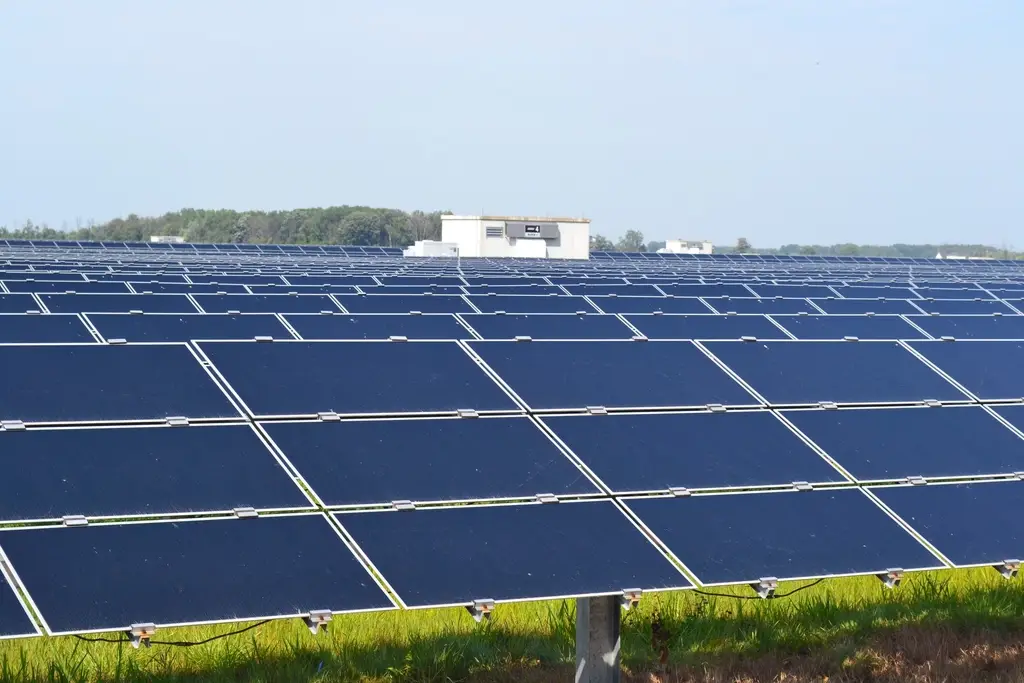 Solar paybackA worked payback example for a 100 kWp system, the factors that move the result most, the effect of tax relief, and a calculator to try your own figures.
- Solar maintenanceMonitoring, inspections, cleaning, thermography, electrical testing, bird proofing, roof access safety, O&M contracts and what insurers expect from rooftop PV owners.
- Roof surveyHow a solar roof survey assesses covering type, condition and remaining life, fragility and safe access, shading, orientation, drainage and existing warranties.
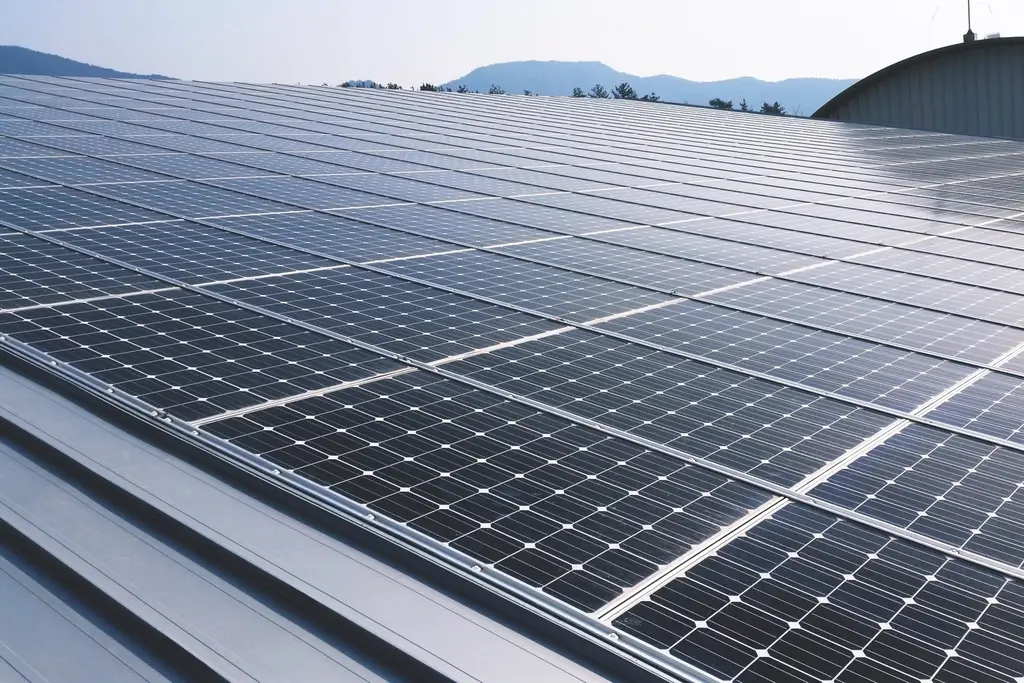 PPA vs CapExA side by side comparison of outright purchase, rooftop PPAs and lease or asset finance, including how lease length and site tenure change the answer.
- Commercial landlordsSolar on let property means settling who pays, who benefits and who owns the system. This page covers the main ownership models, lease length, metering and MEES.
- Commercial solar costIllustrative prices per kWp by system size, extra costs, running costs, VAT and tax.