
Will solar panels increase my business rates?
Business rates are based on a property's rateable value, set by the valuation office (GOV.UK). Some plant and machinery is assumed to be part of the property and adds to that value. Since 2022 in England, 2023 in Scotland and 2024 in Wales, regulations have taken renewable generation and storage equipment out of that assumption until 2035.
The English regulations, for example, except "plant and machinery used or intended to be used for the generation, storage, transformation or transmission of power where the sources of energy or technologies relied upon are mainly or exclusively" renewable, listing photovoltaics and solar power, "in relation to any day before 1st April 2035" (SI 2022/405). The Scottish and Welsh regulations use the same wording (SSI 2023/32, WSI 2023/1229). A Welsh council's guidance gives rooftop solar panels as an example, and says the Valuation Office Agency implements the exemption (Denbighshire County Council).
England, Wales, Scotland and Northern Ireland
Solar panels and business rates by nation, checked 2 November 2026
| Nation | The rule | From | Until |
|---|---|---|---|
| England | Renewable generation and storage plant left out of the valuation | 1 April 2022 | 31 March 2035 |
| Scotland | The same exception, in Scotland's own regulations | 1 April 2023 | 31 March 2035 |
| Wales | The same exception, in Wales's own regulations | 1 April 2024 | 31 March 2035 |
| Northern Ireland | Generating plant of 50 kW or less not rateable; above that, self-consumption plant valued with the property | Rates (Microgeneration) Order (NI) 2012 | No end date given |
Sources: England, Scotland, Wales and the Department of Finance's practice note for Northern Ireland. The NI note says "any plant and machinery used for the generation of electricity, which has an installed capacity of 50kW or less, is not rateable", and that where power is mainly or exclusively for self-consumption the plant is valued with the property, giving "a factory with rooftop solar panels for self-consumption" as the example.
What the exemption covers, and what it doesn't
- Covered: Plant and machinery for generating, storing, transforming or transmitting power from mainly or exclusively renewable sources: panels, inverters and, per the Scottish note, storage batteries and static transformers
- Also covered: Equipment for electric vehicle charging points, under a separate exception in the same regulations
- Not changed: The land, buildings and structures are valued as before
- Different: Sites set up mainly to export, such as solar farms, are valued in their own way; ask a rating surveyor first
- Time-limited: The exceptions apply to days before 1 April 2035
The Scottish regulations' explanatory note puts the purpose plainly: plant and machinery on a non-domestic property used for renewable power "is not relevant for valuation purposes", and "this includes storage batteries and static transformers" (SSI 2023/32).
Scotland's community renewables relief
Separately, Scotland has a Renewable Energy Generation Relief. mygov.scot says you may get 100% off non-domestic rates if your scheme entitles one or more community organisations to at least 15% of the annual profit, and that you apply to your local council (mygov.scot). It is aimed at community schemes rather than a business's own rooftop. Our page on solar support in Scotland covers the rest.
Where rates fit in your sums
Because rooftop solar for your own use is outside the valuation in Great Britain until 2035, rates should not eat into the savings in the period most payback calculations cover. The taxes that do matter are VAT and income or corporation tax: see VAT on solar panels and capital allowances, then payback.
Note: General information, not rating advice. For a large or export-led array, ask the valuation office or a rating surveyor first.
Sources
The regulations were read on legislation.gov.uk, and the NI practice note, mygov.scot and council pages on their own sites, on 2 November 2026. The valuation office decides each property's rateable value.
- SI 2022/405: Valuation for Rating (Plant and Machinery) (England) (Amendment) Regulations 2022
- SSI 2023/32: Valuation for Rating (Plant and Machinery) (Scotland) Amendment Regulations 2023
- WSI 2023/1229: Valuation for Rating (Plant and Machinery) (Wales) (Amendment) Regulations 2023
- Department of Finance NI: renewable energy, non-domestic valuation practice notes
- Denbighshire County Council: green plant and machinery exemption (lists rooftop solar panels)
- GOV.UK: Introduction to business rates
- mygov.scot: Renewable Energy Generation Relief
Frequently asked questions
Will solar panels increase my business rates?
In England, Wales and Scotland, rooftop solar on a business property is left out of the rating valuation until 31 March 2035. The regulations except plant and machinery used for generating, storing, transforming or transmitting power from mainly or exclusively renewable sources, including photovoltaics, from the plant assumed to be part of the property. In Northern Ireland, systems of 50 kW or less are not rateable, and larger self-consumption systems are valued with the property.
When does the business rates exemption for solar end?
The regulations in England, Scotland and Wales all apply to days before 1 April 2035. England's has applied since 1 April 2022, Scotland's since 1 April 2023 and Wales's since 1 April 2024. What happens after 2035 is for future legislation.
Does the exemption cover a battery?
The wording covers plant and machinery used for the generation, storage, transformation or transmission of power from renewable sources, so storage is within it. The Scottish regulations' explanatory note says this includes storage batteries and static transformers. Ask your valuation office if a battery is mainly charged from the grid.
Does it cover ground-mounted solar or a solar farm?
The exception is for plant and machinery on the property; land, buildings and structures are valued as before. A site built mainly to export power to the grid is valued differently from panels serving a business, so talk to the valuation office or a rating surveyor before building a large array that exports most of its output.
Are solar panels rateable in Northern Ireland?
The Department of Finance says any plant used for generating electricity with an installed capacity of 50 kW or less is not rateable, under the Rates (Microgeneration) Order (NI) 2012. Above 50 kW it is rateable; where the power is mainly or exclusively used on site, such as a factory with rooftop panels for self-consumption, the plant is valued with the property.
Is there rates relief for community solar in Scotland?
Scotland has a separate Renewable Energy Generation Relief. mygov.scot says you may get 100% off non-domestic rates where your scheme entitles one or more community organisations to at least 15% of the annual profit. Apply through your local council.
Related pages
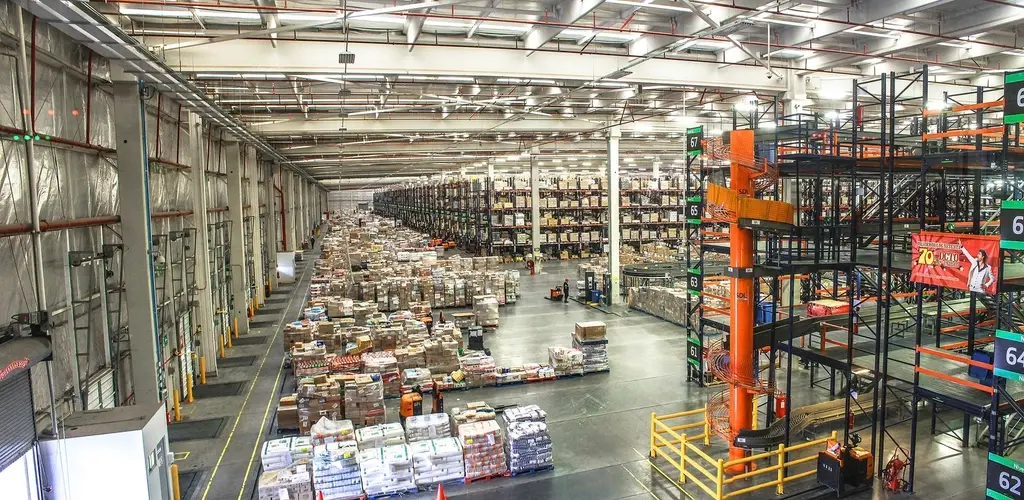 Capital allowancesHow solar panels are treated for capital allowances: the special rate pool, the Annual Investment Allowance, the 50% first year allowance for companies, and illustrative examples.
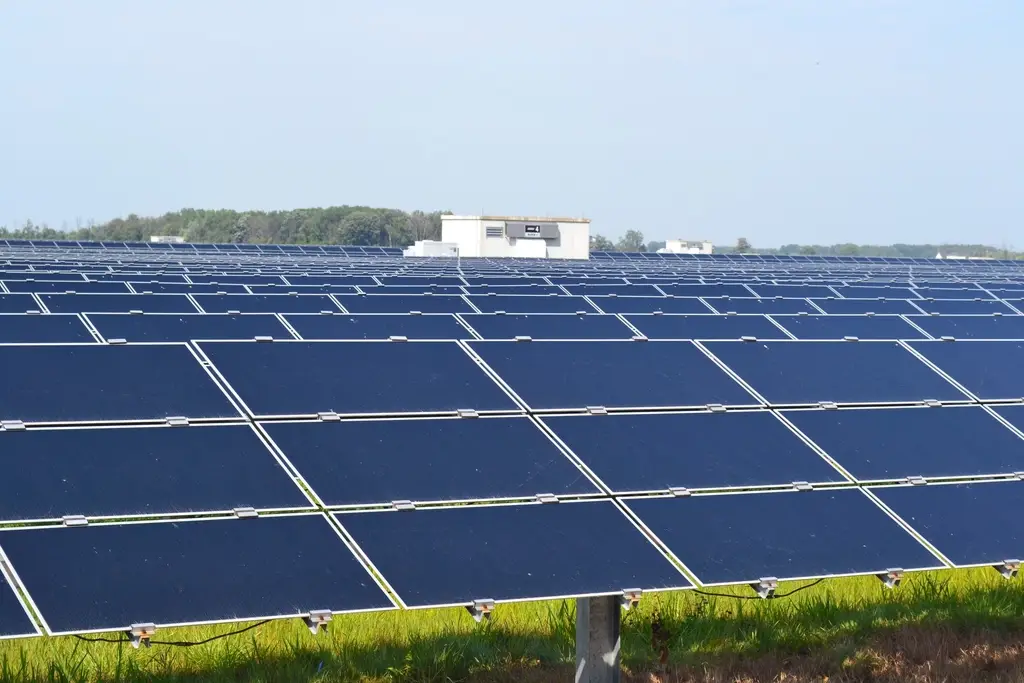 Solar paybackA worked payback example for a 100 kWp system, the factors that move the result most, the effect of tax relief, and a calculator to try your own figures.
- ScotlandCurrent solar support in Scotland for businesses, community groups, public bodies, schools and farms, with rates, planning and official contacts.
- Northern IrelandCurrent solar support in Northern Ireland for businesses, community groups, public bodies and farms, plus export, rates, planning and official contacts.