
Solar for commercial glasshouses, nurseries and garden centres
AHDB's GrowSave project, run with NFU Energy, has helped growers save energy for over ten years. It says that as a proportion of business variable costs, "energy costs can be considerable, particularly in protected cropping" (AHDB GrowSave, GrowSave). Solar is one option among several it covers, alongside screens, heat storage and alternative heat.
Horticultural sites and where solar fits
| Site | Electric loads in daylight | Where panels usually go |
|---|---|---|
| Glasshouse grower | Fans, pumps, irrigation, supplementary lighting, electric heating | Packhouse, boiler house, nearby ground |
| Nursery or plant producer | Irrigation pumps, potting lines, cold stores, polytunnel ventilation | Sheds and workshops, ground |
| Packhouse and cold store | Refrigeration, grading and packing lines | The packhouse roof itself |
| Garden centre | Café, chillers, lighting, tills, heated sales areas | Retail roofs, car park canopies |
Heating, lighting and irrigation loads
- Heating: Often a large share of a grower's energy. Solar only reduces it where heating is electric, such as a heat pump
- Supplementary lighting: Mostly used in the darker months and hours, when panels produce least, so check the timing
- Irrigation and pumps: Busiest in sunny, dry weather: a good match for solar output
- Fans and ventilation: Run hardest on hot, bright days, again when panels produce
- Cold stores and packing: Run through the day and most of the year
Glass roofs: why panels usually go elsewhere
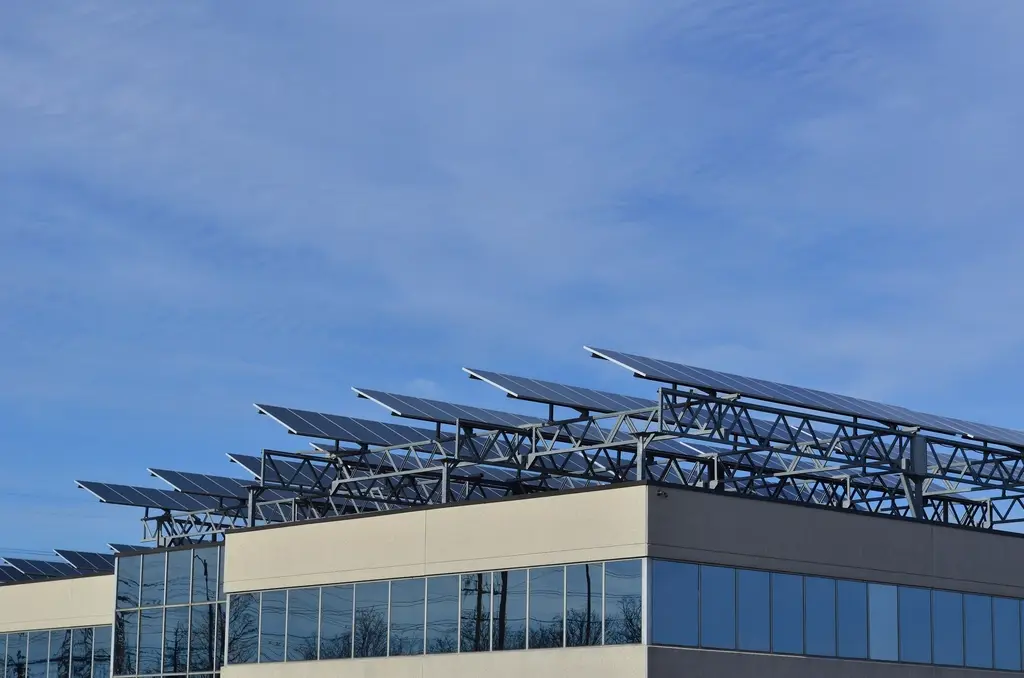
Panels on a glasshouse take light from the crop beneath, and glasshouse structures are designed for glazing, not for the extra load and fixings of a solar array. A few specialist designs exist, but for most growers the practical answer is to use the solid roofs on the site, or ground beside it, and feed the glasshouse from there. The survey looks at every roof on the holding, the ground and the electricity supply before suggesting where panels should go.
Ground-mounted arrays and nearby roofs
Many nurseries have spare ground, headlands or hardstanding, and large shed roofs. A ground-mounted array can be sized to the site's use without shading the crop, and a shed or packhouse roof can carry a large array cheaply. Fibre cement sheds may need checking: see asbestos cement roofs. Garden centres can add car park canopies.
Grants for growers and paying for it
Growers who farm can sometimes use farm and rural business grants; our farm solar grants page lists what was open in each nation when we checked. A business that buys the system can usually claim capital allowances. VAT is at the standard rate on business premises (HMRC Notice 708/6), reclaimable by a VAT-registered business. See also solar for farms and solar for retail.
Sources
AHDB's GrowSave page, the GrowSave site and HMRC Notice 708/6 were read on 2 November 2026.
Frequently asked questions
Can you put solar panels on a commercial greenhouse?
It is rarely the best place. A glasshouse roof is there to let light reach the crop, so covering it with panels costs growing light. Most growers put panels on packhouses, cold stores, workshops, polytunnel-free ground or car parks nearby, and use the power in the glasshouse.
Will solar cut a grower's heating bill?
Only if the heating is electric. AHDB's GrowSave project says energy costs can be considerable in protected cropping. Solar makes electricity, so it helps with pumps, fans, lighting, irrigation, cold stores and packing lines, and with electric heating such as heat pumps, not with gas, oil or biomass boilers directly.
Are there grants for solar on nurseries and glasshouses?
Growers can sometimes use farm and rural business grants, which open and close. Our farm solar grants page lists what was open on 2 November 2026 in each nation. Capital allowances can reduce tax for a business that buys the system.
Is solar worth it for a garden centre?
Often, because garden centres trade seven days a week in daylight, with cafés, chillers, lighting, tills and sometimes heated glasshouses. Retail buildings and car parks usually give better places for panels than the glass.
Related pages
- FarmsDairy, poultry and grain enterprises can make good use of solar on sheds or land. A farm survey looks closely at seasonal demand, building condition and rural grid capacity.
- FarmsWhat is open and closed for farm solar in England, Scotland, Wales and Northern Ireland, and the tax and rates rules that apply anyway.
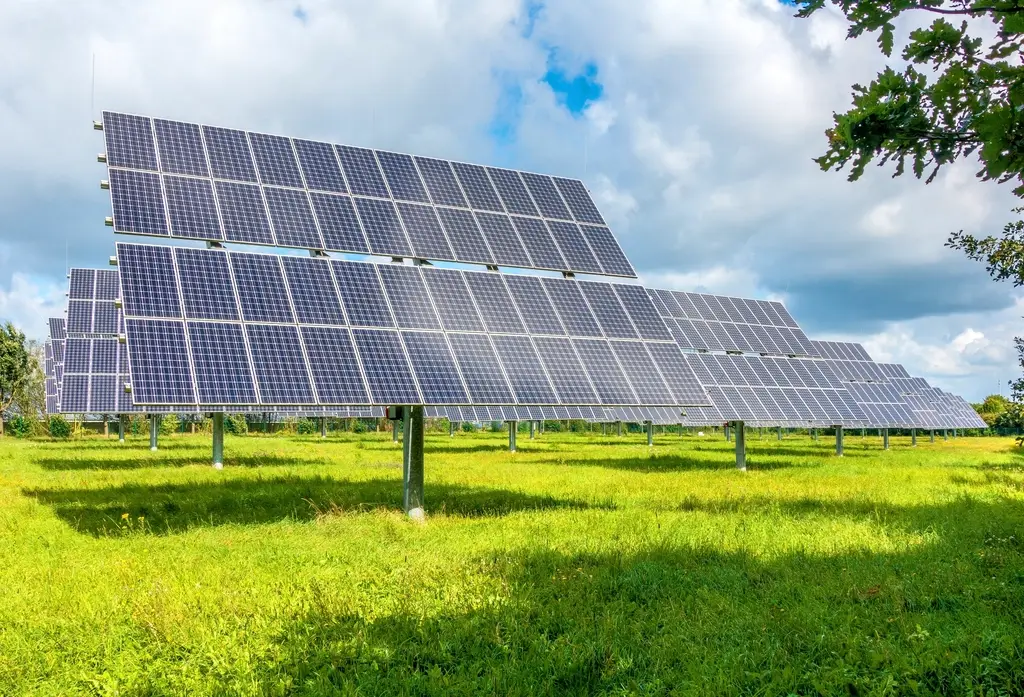 Ground-mounted solarGround-mounted solar on business or farm land: planning, land choice, cable runs, grid connection, security and biodiversity.
 Battery storageWhen a commercial battery pays: storing surplus solar, time of use tariffs, peak shaving, sizing from half-hourly data, illustrative costs, safety and siting.
- RetailSeven-day trading and refrigeration make retail a strong match for solar. The survey covers roofs, car park canopies, customer safety and tenant and landlord arrangements.