
Solar for holiday parks, campsites and marinas
Where solar goes on leisure sites
| Building or area | What uses power | Notes |
|---|---|---|
| Reception, shop, bar and restaurant | Lighting, tills, refrigeration, kitchens | Standard-rated for VAT |
| Pools and leisure buildings | Pumps, filtration, ventilation, lighting | Large roofs, high daytime use |
| Self-catering lodges and lets | Guests' lighting, cooking, hot water | Residential for the VAT relief |
| Shower blocks and laundries | Hot water, washers, dryers, lighting | Busiest in the morning and through the season |
| Car parks and spare ground | Canopies and ground arrays | More likely to need planning permission |
| Marina buildings and pontoons | Chandlery, boatyard, offices, shore power | Equipment rated for coastal conditions |
Seasonal use and summer peaks
Panels in the UK produce far more in summer than in winter, and most parks are busiest from spring to early autumn. That match is the reason solar suits leisure sites. Out of season, demand falls and more output is exported: worth knowing before sizing the system for August.
- Size for the shoulder months as well as the peak: So the system isn't mostly exporting outside July and August
- Look at the whole year's bills: Or twelve months of half-hourly data, to see the seasonal swing
- Export: What you don't use can be sold under the Smart Export Guarantee in Great Britain
- Batteries: Can move daytime output into the evening, when guests return
See half-hourly data and commercial battery storage.
VAT: self-catering lets count as residential
HMRC's Notice 708/6 lists "self-catering holiday accommodation" among the residential accommodation covered by the zero rate for energy-saving materials, which includes solar panels and, since February 2024, batteries. It also covers static caravans used as a place of permanent habitation on a permanent residential park, while hotels, inns and similar establishments are standard-rated (Notice 708/6). The zero rate runs until 31 March 2027, then 5%. Ask for separate prices for lets and for the park's commercial buildings. More in VAT on solar panels.
Ground-mounted and carport options
Parks often have more ground than roof. A ground array on a spare field, or a canopy over parking, can be larger and better placed than panels spread across many small roofs. Both bring cable runs back to the main supply and usually planning permission, so the survey looks at distances and the electricity connection as well as the land.
EV charging for guests
Guests increasingly arrive in electric cars. The Workplace Charging Scheme, open until 31 March 2027, is open to small accommodation businesses, and for them there is no restriction on who may use the parking: customers, guests, visitors, staff or others. It covers up to 75% of the cost, capped at £500 per socket for installations completed from 1 April 2026, up to 40 sockets across your sites (Workplace Charging Scheme). Chargepoint equipment bought before April 2027 can also qualify for a 100% first-year allowance (GOV.UK).
Planning in rural and coastal areas
Many parks sit in or near protected landscapes. Rooftop panels are often permitted development within limits, but ground arrays and canopies are more likely to need permission, and National Parks and other protected areas bring extra rules. Our planning permission guide covers England, Scotland, Wales and Northern Ireland.
Note: General information, not tax advice.
Sources
HMRC Notice 708/6, the Workplace Charging Scheme grant listing and GOV.UK first-year allowances were read on 2 November 2026.
Frequently asked questions
Is solar worth it for a holiday park?
Parks are busiest in spring and summer, which is when panels produce most, so the output lines up well with demand from reception, shops, bars, pools, laundry and the accommodation. Out of season, demand drops and more is exported. A survey looks at the park's own bills through the year to size the system.
Do holiday parks pay VAT on solar panels?
It depends on the building. HMRC's Notice 708/6 lists self-catering holiday accommodation as residential accommodation for the energy-saving materials relief, so installing panels or a battery on holiday lets and lodges can be zero-rated until 31 March 2027, then 5%. Panels on reception, a clubhouse, bar or shop are standard-rated, so ask the installer to price each separately.
Can holiday parks get a grant for EV chargers?
The Workplace Charging Scheme is open to small accommodation businesses until 31 March 2027, and for them there is no restriction on who may use the chargepoints, so guests can. It covers up to 75% of the cost, capped at £500 per socket for installations completed from 1 April 2026, up to 40 sockets across your sites.
Can a campsite or marina have solar?
Yes. Shower blocks, laundries, shops and workshops have roofs, and many sites have spare ground or parking areas for a ground array or canopy. Marinas often have chandleries, boatyards and offices as well as shore power for berths. Coastal sites need equipment rated for salt air.
Do we need planning permission on a rural or coastal site?
Rooftop panels on most buildings are often permitted development, within limits; ground arrays and canopies are more likely to need permission, and protected landscapes such as National Parks and areas of outstanding natural beauty bring extra rules. Our planning guide covers each nation.
Related pages
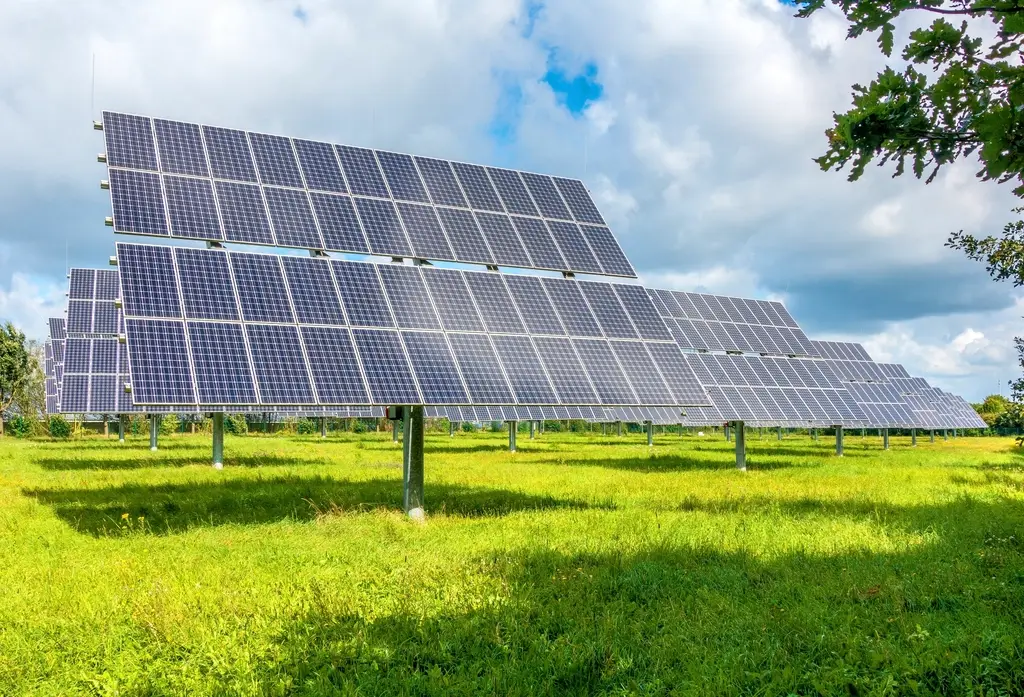 Ground-mounted solarGround-mounted solar on business or farm land: planning, land choice, cable runs, grid connection, security and biodiversity.
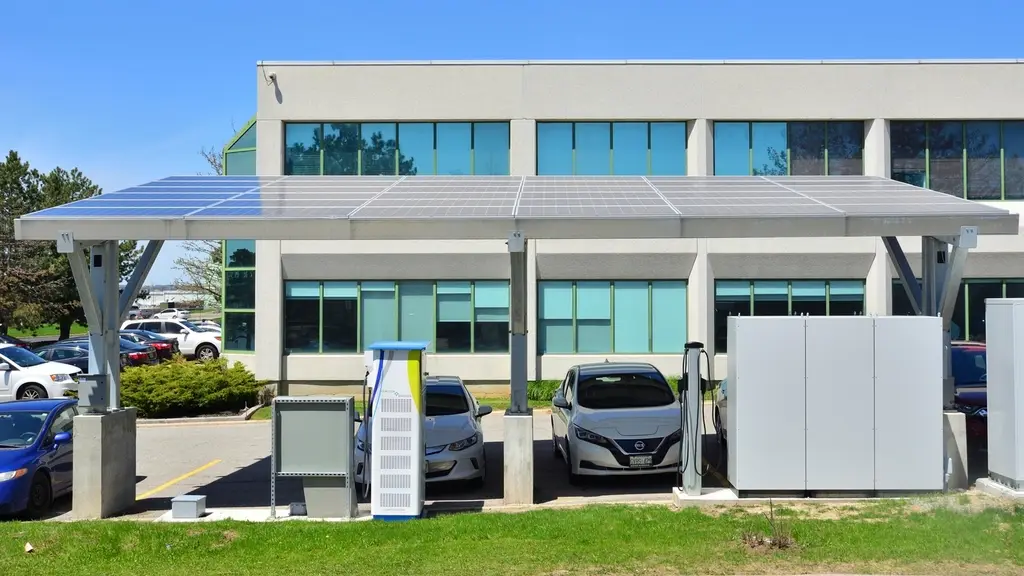 EV chargingHow to plan workplace and fleet EV charging with solar: supply capacity, load management, charger types, matching generation to charging and grant support.
- G99 and DNO applicationsG98 versus G99, what goes into a DNO application, connection offers, export limitation under G100, reinforcement costs and how the survey checks your supply.
- HospitalityHotels and holiday parks with summer peaks match solar well, while evening-led pubs and restaurants need careful sizing. The survey looks at hot water, kitchens, seasons and historic buildings.
 Battery storageWhen a commercial battery pays: storing surplus solar, time of use tariffs, peak shaving, sizing from half-hourly data, illustrative costs, safety and siting.