
Ventilation, heating and lighting loads
Typical electrical loads in poultry and pig units
| Load | When it runs | Fit with solar |
|---|---|---|
| Ventilation fans | All year, hardest in warm weather | Good: peaks on bright, warm days |
| Heating for young stock | Brooding chicks, piglets and weaners | Where electric, solar covers daylight hours |
| Lighting | Set programmes, often long hours | Partly, depending on the programme |
| Feed and water systems | Through the day | Good |
| Egg packing, grading and cold stores | Working day | Good |
For pigs, AHDB says heating in England is normally only used for young pigs, with older pigs kept warm by controlled minimum ventilation and insulation (AHDB); that lighting affects performance and welfare and also contributes to energy use on farm (AHDB); and that control systems keeping temperature and ventilation steady reduce energy waste (AHDB).
Long shed roofs
- Size: Long, uniform roofs take large arrays with simple layouts
- Structure: Older sheds may not take the extra load; the survey checks purlins and fixings
- Fibre cement: Older roofs may contain asbestos and are often fragile: see our asbestos roof guide
- Ventilation openings: Ridge vents and fans have to stay clear of panels
- Dust and ammonia: Exhaust air from sheds can soil panels near the vents, so cleaning needs planning
See asbestos cement roofs and solar maintenance.
Biosecurity during installation
An installation brings vehicles, scaffolding and people onto the unit. Agree a plan with the installer before anyone arrives:
- Access: A route that keeps contractors and vehicles away from the stock and feed areas
- Cleaning: Vehicle and equipment cleaning and disinfection on arrival
- Clothing: Protective clothing and footwear, footdips where you use them
- Timing: Between batches, at turnaround, where possible
- Records: A visitor log, as for any contractor
When an avian influenza prevention zone is in force, GOV.UK says bird keepers are legally required to follow stringent biosecurity measures (GOV.UK). Check the current position before booking the work.
Climate Change Agreements
GOV.UK lists intensive pig and poultry farming among the sectors with Climate Change Agreements (GOV.UK). Units in one pay a reduced rate of Climate Change Levy in return for meeting energy or carbon targets; the new scheme runs to 31 March 2033 (statutory guidance). Electricity from your own panels is not bought from a supplier, so it carries no levy.
Grants and tax relief
Farm grant schemes open and close; see farm solar grants. A farm business that buys the system can usually claim capital allowances, and rooftop solar is left out of business rates valuations in England, Scotland and Wales until 2035 (business rates). Large arrays on rural networks may need export limits: see grid connection. For the wider picture, see solar for farms.
Sources
AHDB's pig housing pages, GOV.UK bird flu guidance and the GOV.UK CCA pages were read on 2 November 2026.
- AHDB: Temperature requirements of pigs
- AHDB: Lighting for pig buildings
- AHDB: Control systems in pig buildings
- GOV.UK: Bird flu (avian influenza), biosecurity and prevention zones
- GOV.UK: Climate change agreements (sectors include intensive pig and poultry farming)
- GOV.UK: Climate Change Agreements statutory guidance 2026
Frequently asked questions
Are solar panels worth it for a poultry or pig unit?
Often. Housed livestock need ventilation, lighting, feeding systems and, for young animals, heat, every day of the year, and long shed roofs give room for a lot of panels. Fans work hardest on warm, bright days when panels produce most. A survey looks at your own bills or half-hourly data to size the system.
Do pig units use a lot of heating?
Mainly for young pigs. AHDB says that in England heating is normally only used for young pigs, and that older pigs (finishers over 30 kg) are kept at the right temperature through controlled minimum ventilation and insulation. Where heat lamps or heat pads are electric, solar can supply part of them in daylight.
How do installers deal with biosecurity?
The same way any contractor should: agree access routes, vehicle cleaning and disinfection, protective clothing and timing with you before they arrive, and keep away from the birds or pigs. When an avian influenza prevention zone is in force, GOV.UK says stringent biosecurity is a legal requirement for bird keepers, so build that into the installation plan.
Can we get a Climate Change Agreement?
GOV.UK lists intensive pig and poultry farming among the sectors with Climate Change Agreements, which give a reduced rate of Climate Change Levy in return for energy or carbon targets. The new scheme runs to 31 March 2033, and you apply through your sector association.
Related pages
- FarmsDairy, poultry and grain enterprises can make good use of solar on sheds or land. A farm survey looks closely at seasonal demand, building condition and rural grid capacity.
- FarmsWhat is open and closed for farm solar in England, Scotland, Wales and Northern Ireland, and the tax and rates rules that apply anyway.
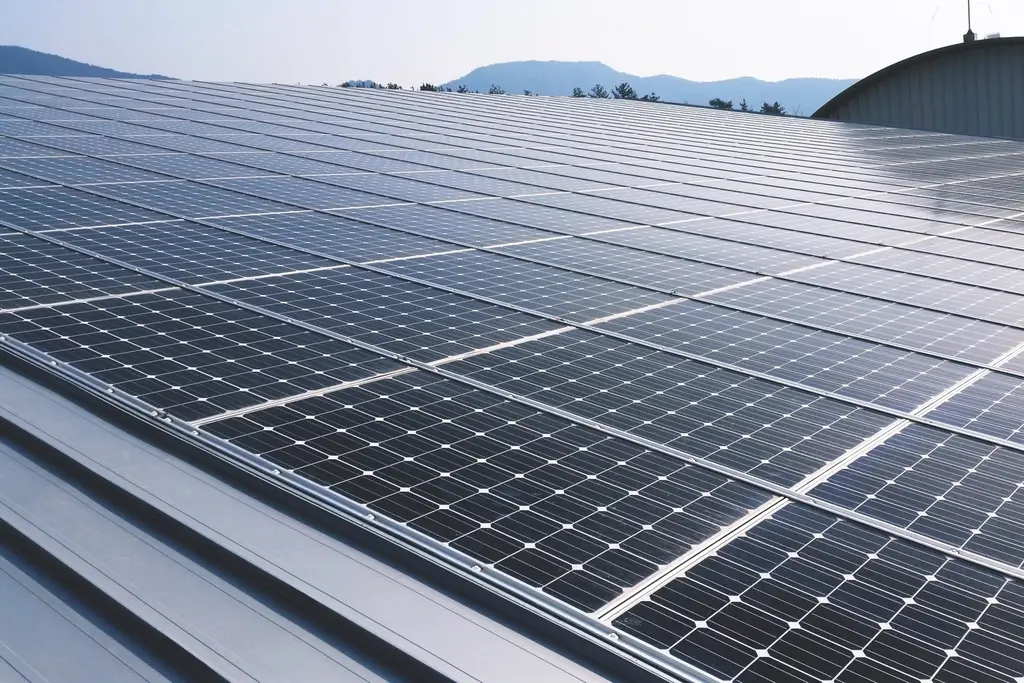 Metal roofsTrapezoidal, standing seam and composite panel roofs: how mounting, rooflights, fixings and sheet age affect a solar installation.
- G99 and DNO applicationsG98 versus G99, what goes into a DNO application, connection offers, export limitation under G100, reinforcement costs and how the survey checks your supply.
 Battery storageWhen a commercial battery pays: storing surplus solar, time of use tariffs, peak shaving, sizing from half-hourly data, illustrative costs, safety and siting.