
Solar for sports clubs, golf clubs and leisure centres
Sports and leisure sites and their daytime use
| Site | What runs in daylight | Where panels go |
|---|---|---|
| Golf club | Clubhouse kitchen and bar, pro shop, buggy and mower charging, irrigation pumps | Clubhouse and greenkeeping shed roofs, spare ground |
| Football, rugby or cricket club | Bar and kitchen on match days, changing rooms, hot water | Clubhouse and stand roofs |
| Tennis or racket club | Indoor court lighting, heating, café | Large indoor court roofs |
| Gym or leisure centre | Lighting, ventilation, gym equipment, pools | Large flat roofs, car parks |
Clubhouses, floodlights, pools and gyms
- Pools: Pumps, filtration and ventilation run all day, every day: the best fit for solar at a leisure centre
- Gyms and leisure centres: Long opening hours, with lighting, ventilation and equipment
- Clubhouses: Busy on match days and weekends, quieter midweek: check the weekly pattern
- Floodlights: Run after dark, so solar only helps them through a battery
- Charging: Buggies, mowers and club vehicles can charge from midday output
Twelve months of half-hourly data shows the installer how much the club uses while the sun is up. See also commercial battery storage.
Club committees and leases
- Who decides: The committee or board, under the club's rules; a written proposal helps members understand it
- Who owns the ground: Many clubs lease from a council, a school or a landowner, who must consent
- Lease length: Funders and installers look for a lease that outlasts the payback period
- Shared sites: Where several clubs share buildings or a meter, agree who pays and who benefits
Funding for sports clubs
Sport England announced on 11 June 2025 that up to £16 million, 10% of the £160 million available through its Movement Fund, would be reserved for green sports initiatives, with organisations able to bid for between £300 and £15,000; its examples include "reducing energy use through solar panels and electric batteries" (Sport England). Funds change, so check the Movement Fund guidance for the current position. Sport England covers England; ask the sports council in Scotland, Wales or Northern Ireland about schemes there.
Great British Energy has funded some local schemes through mayoral authorities, including solar on leisure centres in Yorkshire, announced in July 2025 (GBE). For charger grants, the Workplace Charging Scheme is open to businesses and charities until 31 March 2027 (WCS). See our solar grants page for the wider picture.
VAT and paying for it
HMRC's zero rate for energy-saving materials covers buildings used solely for a relevant charitable purpose, which includes use by a charity as a village hall or similar providing social or recreational facilities for a local community (Notice 708/6). Clubs that are not charities, or that run the building as a business, pay the standard rate. Beyond grants, clubs use reserves, loans, leases or a power purchase agreement: see paying for commercial solar and charities and community buildings.
Note: General information, not tax advice. Check each fund's current guidance before applying.
Sources
Sport England's Movement Fund announcement, HMRC Notice 708/6, Great British Energy and the Workplace Charging Scheme listing were read on 2 November 2026.
- Sport England: up to £16 million of the Movement Fund for environmental projects (11 June 2025)
- HMRC VAT Notice 708/6: energy-saving materials (relevant charitable purposes, 2.22)
- Great British Energy: £10 million for community facilities, including leisure centres (17 July 2025)
- Find a grant: Workplace Charging Scheme (open until 31 March 2027)
Frequently asked questions
Are there grants for solar panels at sports clubs?
Sport England said on 11 June 2025 that up to £16 million of its Movement Fund, 10% of the £160 million available, would be reserved for environmental projects, and that organisations could bid for between £300 and £15,000. Its examples include reducing energy use through solar panels and electric batteries. Check Sport England's site for whether it is still open before you apply.
Is solar worth it for a golf club?
Often. Clubhouses run kitchens, bars, lighting and changing rooms through the day, maintenance sheds charge mowers and buggies, and some clubs pump irrigation water in summer. Large shed and clubhouse roofs, and spare ground, give room for panels. A survey looks at the club's own bills.
Our club leases its ground from the council. Can we still have solar?
With the landlord's consent. The lease decides who can alter the buildings and who owns the panels; a council landlord may have its own process. Raise it early, as funders often want to see the lease and consent.
Do floodlights make solar worthwhile?
Not on their own. Floodlights mostly run after dark, when panels produce nothing, so they only benefit through a battery or from the club's overall savings. The daytime loads, such as bars, kitchens, gyms, pools and changing rooms, are what solar covers.
Do sports clubs pay VAT on solar panels?
Usually the standard rate. HMRC's zero rate for energy-saving materials covers buildings used solely for a relevant charitable purpose, which includes a village hall or similar providing social or recreational facilities for a local community, used by a charity. A club that is not a charity, or uses the building for business such as a commercial bar, pays the standard rate. Check with your accountant.
Related pages
- Charities and communityCharity buildings range from daily offices to occasional-use halls and historic churches. The survey tests whether demand matches generation and highlights VAT, heritage and governance points.
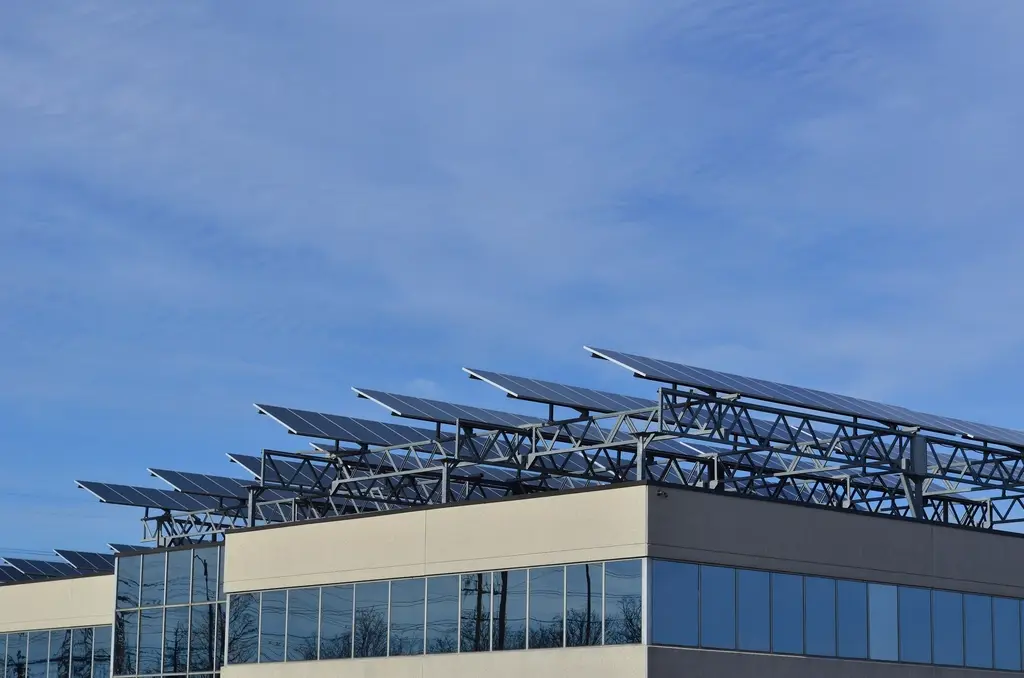 Battery storageWhen a commercial battery pays: storing surplus solar, time of use tariffs, peak shaving, sizing from half-hourly data, illustrative costs, safety and siting.
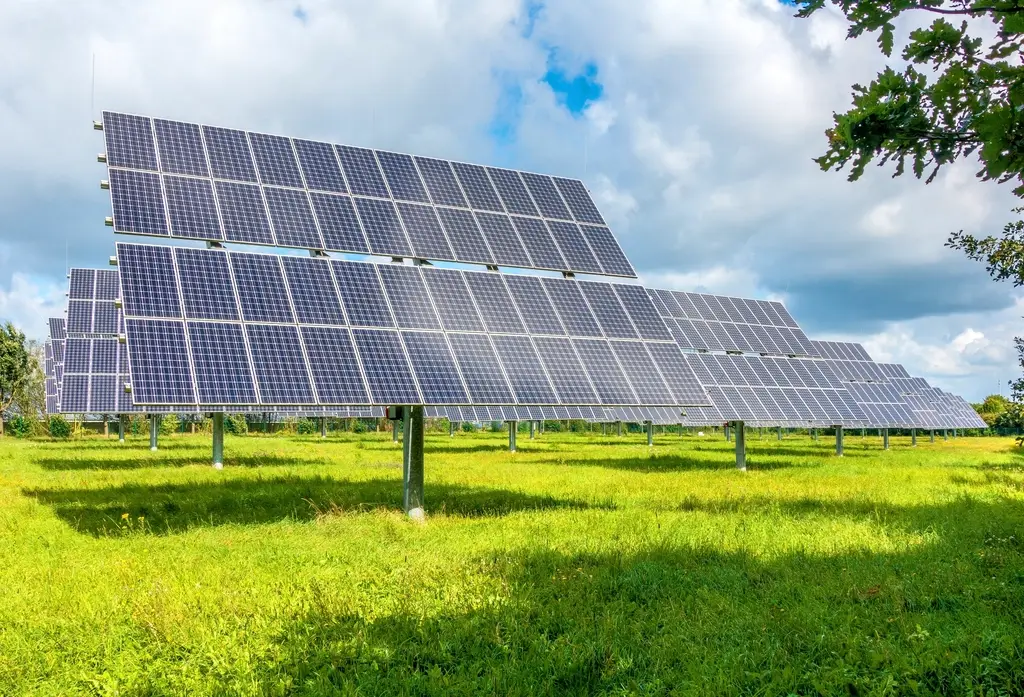 Ground-mounted solarGround-mounted solar on business or farm land: planning, land choice, cable runs, grid connection, security and biodiversity.
- VAT on solarA business installation is charged at 20%, which a VAT registered business normally recovers; charity buildings can qualify for the zero rate.
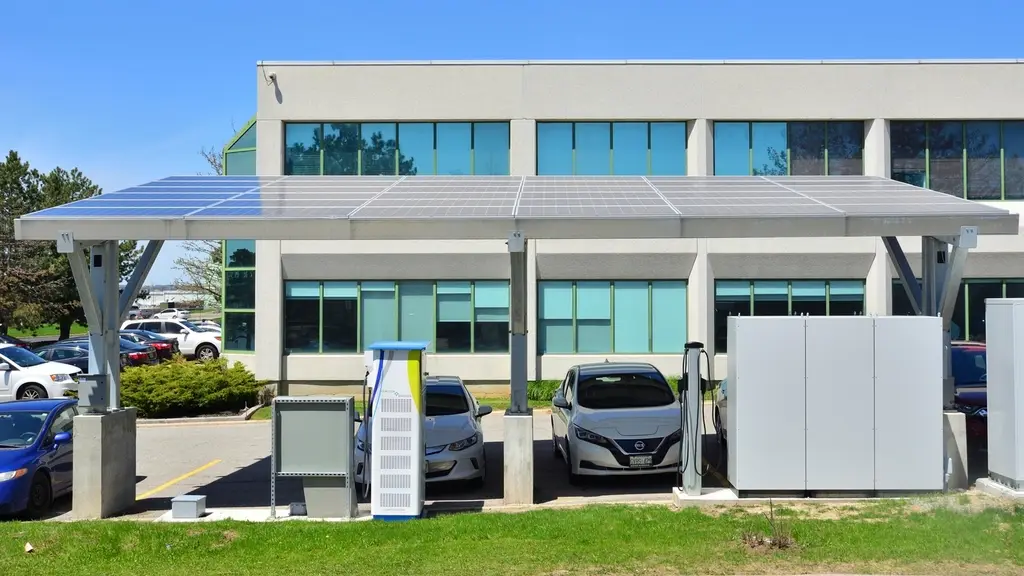 EV chargingHow to plan workplace and fleet EV charging with solar: supply capacity, load management, charger types, matching generation to charging and grant support.