
Why care homes use power all day
Many businesses empty out at 5pm. A care home is busy every day of the year, with staff on shift around the clock and much of the work done in daylight:
- Kitchens: Breakfast, lunch and tea, every day, often with electric ovens, dishwashers and cold storage
- Laundry: Washers and dryers running for much of the day
- Lifts, hoists and equipment: Lifts, beds, call systems, medical and office equipment
- Lighting and comfort: Communal areas lit and kept warm or cool, all year
- Weekends: Use barely drops, so weekend output is used rather than exported
That steady daytime demand is what makes solar pay: panel output replaces electricity the home would otherwise buy. Our guide to half-hourly data explains how to see the home's own pattern before a survey.
VAT: care homes count as residential
HMRC's Notice 708/6 lists what counts as residential accommodation for the energy-saving materials relief, which covers solar panels and, since February 2024, batteries (Notice 708/6):
Care settings and VAT on solar, from HMRC Notice 708/6 (checked 2 November 2026)
| Setting | VAT on supply and installation |
|---|---|
| Homes providing care for the elderly, disabled people, or people who suffer or have suffered from drug or alcohol dependency or mental disorder | Zero rate until 31 March 2027, then 5% |
| Children's homes | Zero rate until 31 March 2027, then 5% |
| Hospices | Zero rate until 31 March 2027, then 5% |
| Hospitals | Standard rate, 20% |
A group with a care home and a separate head office pays the standard rate at the office. Ask the installer to price each building separately. More in VAT on solar panels.
Roofs and sites
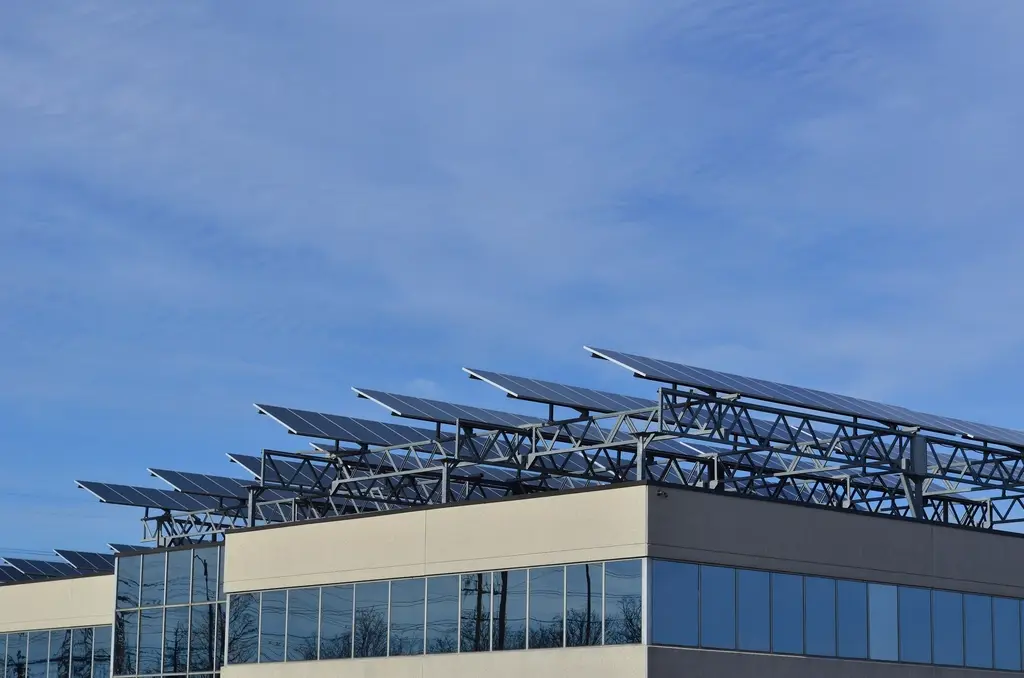
- Purpose-built homes: Often have large pitched or flat roofs with few obstructions
- Converted older buildings: May have complex roofs, dormers and chimneys; extensions and outbuildings can be simpler
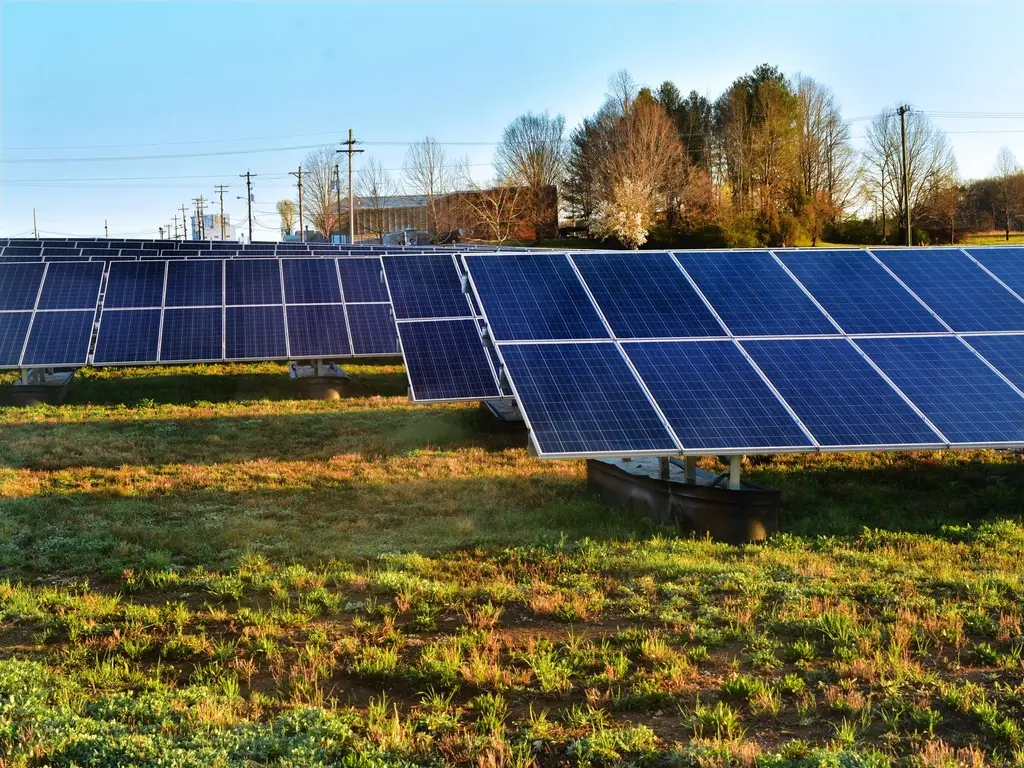
- Grounds and car parks: A ground array or a carport can work where the roof doesn't
- Listed or conservation area buildings: Need planning checks first
The survey checks the roof structure, shading, where the inverters and cables can go and the electricity supply. See planning permission, flat roof solar and solar carports.
Keeping residents comfortable during installation
Installation is building work in a place where people live. Agree in writing before anyone arrives:
- Working hours: Avoid mealtimes and quiet hours for noisy work
- Access and scaffolding: Routes that keep fire exits, gardens and ambulance access clear
- The switchover: A planned, short power-down at a time that suits the home, with care equipment covered
- Who is on site: Contractor sign-in and supervision in line with your safeguarding policy
- Paperwork: The construction health and safety requirements apply to the work
The handover file from the installer may form the health and safety file required under the Construction (Design and Management) Regulations (RC62, HSE). Tell your insurer before the work: see fire risk and insurance.
Batteries and resilience
A care home uses power through the evening and night too, so some homes look at a battery to store midday output. Two separate questions: whether a battery saves enough to pay for itself, and whether you want backup power in a cut. A grid-connected solar system is not a backup supply on its own. If resilience matters, ask the installer to design for it and keep your existing emergency arrangements. See commercial battery storage.
Paying for it
A care home business that buys the system can usually claim capital allowances. If capital is tight, a lease, a loan or a power purchase agreement spreads or removes the upfront cost: see paying for commercial solar. Great British Energy has funded some local projects through mayoral authorities, including rooftop solar on care homes on Merseyside, announced in July 2025 (GBE); check what your area offers.
Note: General information, not tax advice. Your accountant confirms the VAT position for your home.
Sources
HMRC Notice 708/6, RC62, the HSE and Great British Energy pages were read on 2 November 2026.
- HMRC VAT Notice 708/6: energy-saving materials, residential accommodation (2.21)
- Great British Energy: £10 million for community facilities, including rooftop solar on care homes (17 July 2025)
- FPA, RISCAuthority and MCS: RC62 fire safety with PV panel installations, version 2 (2023)
- HSE: Construction (Design and Management) Regulations 2015
Frequently asked questions
Are solar panels worth it for a care home?
Care homes are occupied around the clock, so a lot of their electricity is used in daylight: kitchens, laundry, lifts, lighting, hot water and equipment. That is the kind of use solar replaces. Whether it pays depends on the roof, the size of the home and what it pays per unit, which a site survey works out from the home's own bills.
Do care homes pay VAT on solar panels?
Often not. HMRC's Notice 708/6 lists homes providing care for the elderly, disabled people, or people with drug or alcohol dependency or mental disorder, as well as children's homes and hospices, as residential accommodation for the energy-saving materials relief. Installing solar panels or a battery there is zero-rated until 31 March 2027, then 5%. Hospitals are standard-rated.
Will installation disturb residents?
There will be scaffolding, deliveries and some noise for the days the work takes, and a short planned power-down when the system is connected. Agree working hours, access routes, where materials are stored and how the switchover is managed with the installer before work starts, as you would for any building work.
Will solar keep the home running in a power cut?
Not unless it is designed to. A solar system connected to the grid is not a backup supply on its own. If resilience matters, ask the installer whether a battery with backup capability makes sense, and keep your existing emergency arrangements.
Are there grants for solar on care homes?
There is no national grant just for care home solar that we could confirm on 2 November 2026. Great British Energy has funded some local schemes through mayoral authorities, including rooftop solar on care homes on Merseyside announced in July 2025. Capital allowances can reduce tax for a care home business that buys the system.
Related pages
- HealthcareContinuous demand in care homes and daytime clinical loads in surgeries and clinics suit solar. The survey focuses on backup power, fire strategy, occupied buildings and lease arrangements.
 Battery storageWhen a commercial battery pays: storing surplus solar, time of use tariffs, peak shaving, sizing from half-hourly data, illustrative costs, safety and siting.
- Fire safety and insuranceRC62 in plain terms, insurer questions, DC isolation, cable routing, separation from rooflights and fire breaks, and inspection regimes for commercial rooftop solar.
- VAT on solarA business installation is charged at 20%, which a VAT registered business normally recovers; charity buildings can qualify for the zero rate.
 Power purchase agreementsHow on-site solar PPAs work, typical contract lengths, how prices rise over time, what happens if you sell or move, and the clauses to check before signing.