
Solar for car dealerships, garages and workshops
Motor trade sites and their daytime use
| Site | What runs in daylight | Where panels go |
|---|---|---|
| Franchised dealership | Showroom lighting, heating and cooling, workshop, valeting, EV charging | Showroom and workshop roofs, forecourt canopies |
| Independent garage or MOT centre | Compressors, lifts, diagnostic equipment, lighting | Workshop roof |
| Body shop | Spray booths, compressors, extraction, drying | Workshop roof; check fire and insurer requirements |
| Tyre, fleet or van centre | Equipment, lighting and fleet charging | Workshop roof, canopies over parking |
Workshop equipment and showroom lighting
Motor trade sites are busy in working hours and on Saturdays, which lines up with solar output. Showrooms with large glazed areas often need cooling on sunny days, when panels are producing. Workshops add compressors, lifts, extraction and diagnostic equipment.
Twelve months of half-hourly data shows how much of that is in daylight. Sites on a single-phase supply, often small garages, may need the network operator's agreement for a larger system: see grid connection.
EV charging and EV servicing
Electric cars on a forecourt, in for service or prepared for handover all need charging. Charging them from midday solar output replaces power you would otherwise buy. On chargers themselves:
- Workplace Charging Scheme: Up to 75% of the cost, capped at £500 per socket for installations completed from 1 April 2026, up to 40 sockets across your sites, open until 31 March 2027
- Who uses them: For a business, the scheme requires chargepoints to be for staff or fleet, not customers
- Capital allowances: Equipment for EV charging points, and electric or zero-emission cars, bought new before April 2027 can qualify for a 100% first-year allowance
Sources: Workplace Charging Scheme, GOV.UK. See EV charging from solar.
Forecourts and canopies
A dealership forecourt or customer car park can carry a solar canopy: shade for cars on display, shelter for customers and power generated right next to the chargers. Canopies are a structural and planning job, so the survey looks at foundations, the layout of the forecourt and planning before anything is designed.
Fire safety and insurance
Workshops and body shops store fuel, paints and solvents, so tell your insurer before installing. The insurers' code RC62 recommends panels on non-combustible roofs, keeping stored materials clear of inverters so they stay ventilated, a fire service switch on commercial systems where required, and inspection at least once a year (RC62). See fire risk and insurance.
Paying for it
A dealership or garage that buys the system can usually claim capital allowances on the panels as well as the 100% allowance on charging equipment, and reclaim the VAT. Smaller garages should see system sizes and paying for commercial solar.
Sources
The Workplace Charging Scheme grant listing, GOV.UK first-year allowances and RC62 were read on 2 November 2026.
Frequently asked questions
Is solar worth it for a car dealership?
Often. Dealerships keep showrooms lit and heated or cooled through the day, run workshops with compressors and lifts, and increasingly charge electric cars for handover, demonstration and servicing. Big showroom and workshop roofs and forecourt canopies give space for panels. A survey sizes it from the site's own use.
Can solar charge the electric cars we sell and service?
In daylight, yes: midday output can go into vehicles on site instead of being bought from the grid. How much depends on how many cars charge during the day and the size of the system. Charging after dark needs grid power or a battery.
Is there a grant for EV chargers at a garage?
The Workplace Charging Scheme covers up to 75% of the cost, capped at £500 per socket for installations completed from 1 April 2026, up to 40 sockets across your sites, until 31 March 2027. For a business, the scheme requires the chargepoints to be for staff or fleet use, not customers. Equipment for EV charging points bought before April 2027 can also qualify for a 100% first-year allowance.
Are there fire concerns with solar on a workshop roof?
The insurers' code RC62 recommends PV on non-combustible roofs, keeping stored materials clear of inverters, a fire service switch on commercial systems where required, and inspection at least annually. Workshops hold flammable materials, so tell your insurer early and give the installer their requirements.
Related pages
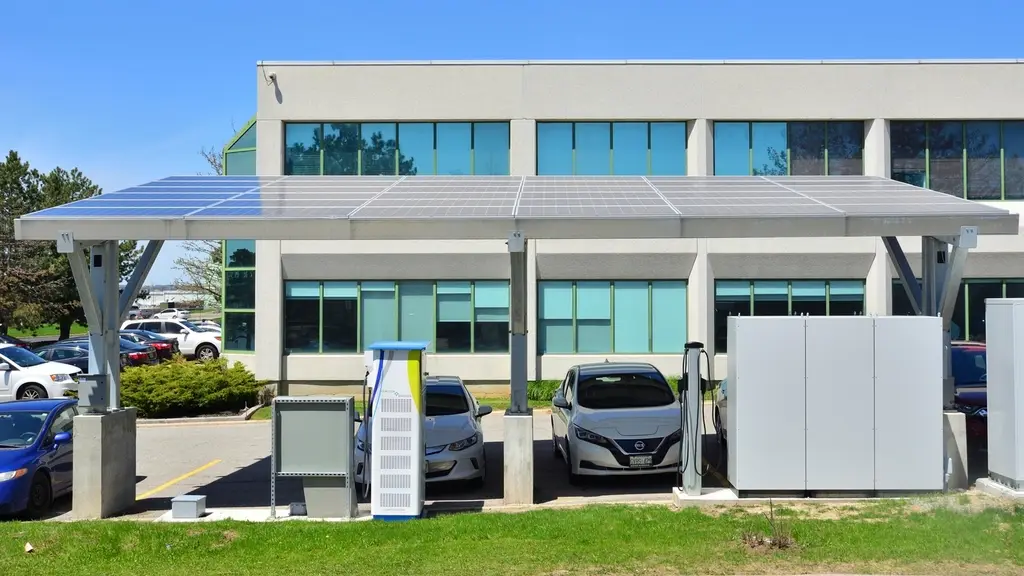 EV chargingHow to plan workplace and fleet EV charging with solar: supply capacity, load management, charger types, matching generation to charging and grant support.
- Solar carportsSolar car park canopies: permitted development in England, foundations and drainage, structural design, EV charging and how costs compare with rooftop solar.
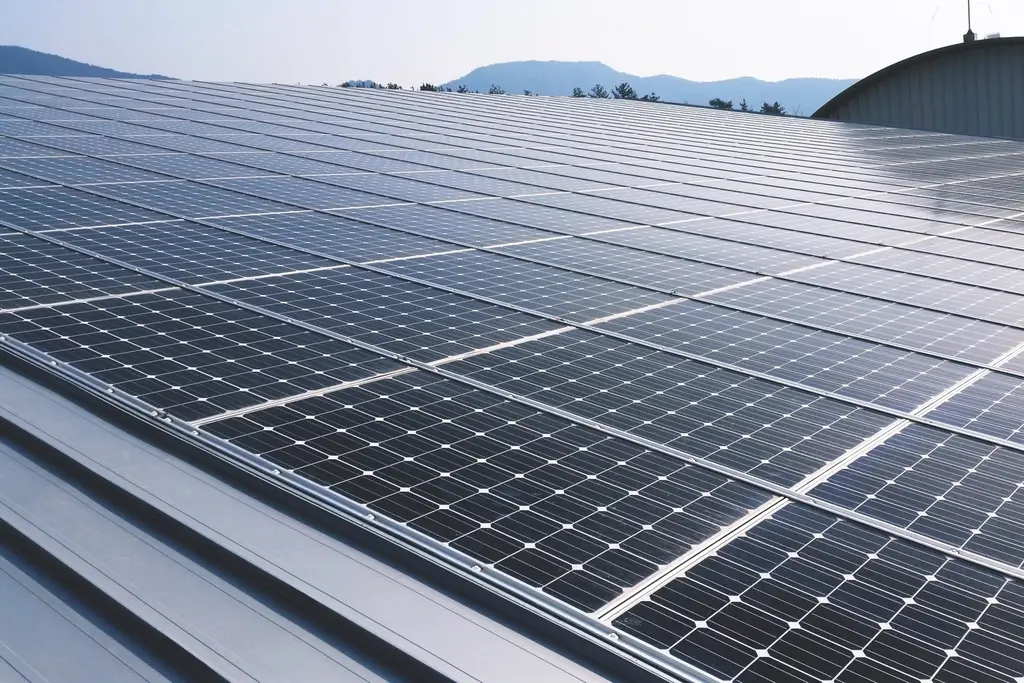 Metal roofsTrapezoidal, standing seam and composite panel roofs: how mounting, rooflights, fixings and sheet age affect a solar installation.
- Solar on leased propertyTenants need landlord consent and enough lease left; landlords can install and sell the power, or lease the roof.
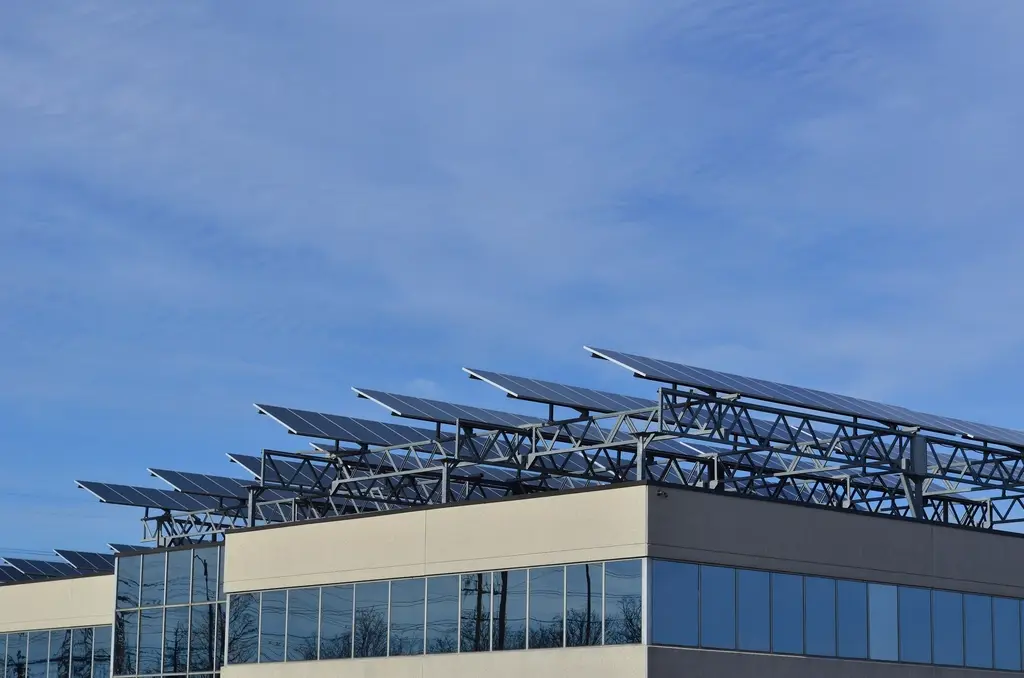 Battery storageWhen a commercial battery pays: storing surplus solar, time of use tariffs, peak shaving, sizing from half-hourly data, illustrative costs, safety and siting.