
Solar for breweries, distilleries and vineyards
Drinks producers and how they suit solar
| Site | Electric loads in daylight | What to check |
|---|---|---|
| Brewery | Fermentation and conditioning cooling, pumps, packaging, cold store | Roof over production, how the brewhouse is heated |
| Distillery | Milling, pumps, cooling water, bottling, warehouse lighting | Heat source for the stills, fire zoning near spirit stores |
| Vineyard and winery | Pressing and pumping at harvest, tank cooling, shop and tasting room | Autumn peak against summer output, ground space |
| Cider and soft drinks | Pressing, pumping, chilling, bottling | Seasonal production, cold storage |
The same survey decides all of them: how much of the output you would use, and where panels can go. Bigger food and drink manufacturing sites: solar for food and drink.
Cooling, pumping and bottling loads
The IFC's guidelines for breweries describe the energy profile (IFC): breweries are relatively intensive users of both electrical and thermal energy. Thermal energy raises steam in boilers, used largely for wort boiling and water heating in the brewhouse and in the bottling hall. The process refrigeration system is typically the largest single consumer of electrical energy, but the brewhouse, bottling hall and waste water treatment plant can also account for substantial electricity demand.
- Refrigeration: Fermenters, conditioning tanks and cold rooms are cooled every day. Demand rises in warm weather, when panels produce most.
- Efficiency first: The IFC says raising the refrigeration system's evaporating temperature by 1 K cuts its electricity use by roughly 3 to 4 percent, so set temperatures and maintenance come before sizing panels.
- Pumps and compressed air: Transfers, cleaning in place and packaging lines run on pumps and air. The IFC says cutting compressed air pressure from 8 bar to 7 bar should reduce its electricity use by about 7 percent.
- Packaging days: Bottling and canning are heavy, but often on set days: schedule them for daylight where you can.
What solar can't do: brewing and distilling heat
Solar panels make electricity. In most breweries the wort is boiled with steam from a boiler (IFC), and in most distilleries the stills are heated by steam or direct firing. Unless that heat is electric, solar does nothing for it. Be wary of any quote that counts savings on gas.
Where a site has, or is moving to, electric heating, such as electric hot liquor tanks, heat pumps or an electric steam boiler, a larger solar system starts to make sense, often with a battery. Size it to the electric loads you have now and leave room to extend.
Rural sites and ground-mounted arrays
Many breweries, distilleries and wineries sit in the countryside with land around them. A ground array avoids roofs over production and spirit stores, but in England stand-alone panels at a non-domestic site are permitted only up to 9 square metres (Class K), so a business-scale array needs planning permission.
- The grid: Rural networks can limit export; a system sized to your own use is less affected.
- Cable runs: Distance from the array to the main switchboard adds cost.
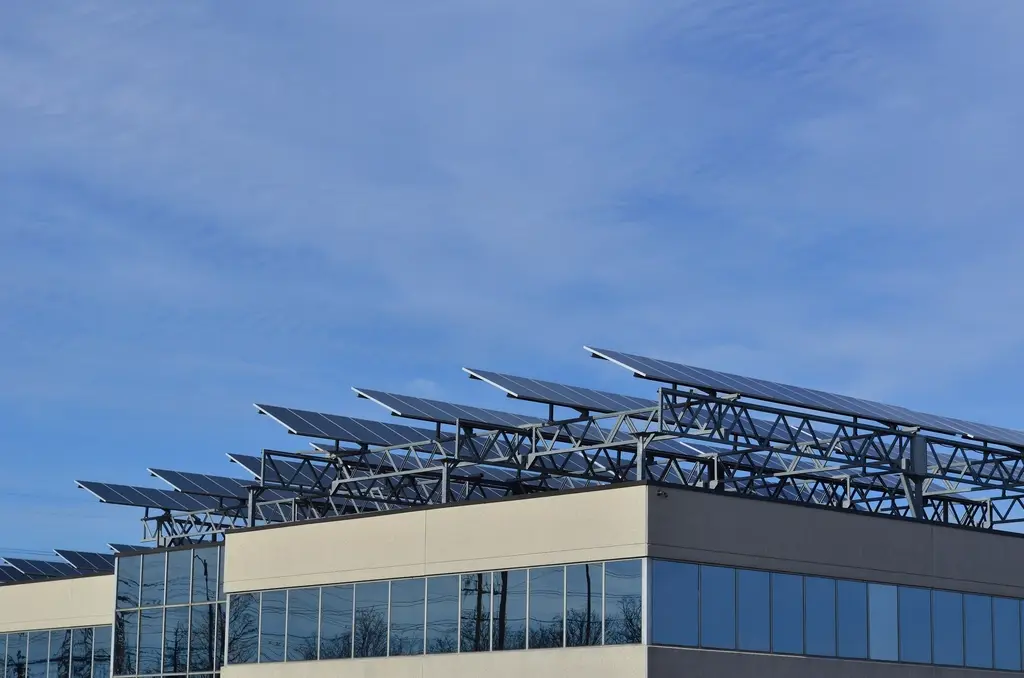
- Roofs over production: Panels over brewing, fermentation or a bonded warehouse need fire and access planning. RC62, the insurers' recommendations for PV, is the document insurers refer to.
Sources: Class K, RC62. More: ground-mounted solar, grid connection and fire risk and insurance.
Seasonal peaks and the harvest
Output per kW, south-facing at 35 degrees, Birmingham (PVGIS)
| Month | kWh per kW |
|---|---|
| June | 117 |
| August | 106 |
| September | 90 |
| October | 63 |
| December | 33 |
Source: PVGIS. A brewery busiest through the summer lines up well with solar. A winery busiest at the autumn harvest gets less from the panels just when it needs most; summer cooling and a tasting room or shop use the summer output. A battery or simply sizing for the summer base load are the usual answers.
Paying for it
Electricity you generate and use yourself avoids the price you would pay for it, and HMRC says an auto-generator need not account for the Climate Change Levy on self supplies of renewable electricity (CCL1/3). A business that buys the system can usually claim capital allowances. Vineyards that are farm businesses should check farm solar grants. More: the Climate Change Levy, capital allowances and payback.
Sources
IFC guidelines, PVGIS and HMRC's CCL1/3 read on 3 November 2026; the GPDO Class K and RC62 on 2 November 2026. The IFC guidelines are international; your own half-hourly data shows your site's real profile.
- IFC (World Bank Group): Environmental, Health and Safety Guidelines for Breweries (2007)
- European Commission JRC: PVGIS 5.3 (Birmingham, south at 35 degrees, monthly output)
- HMRC Excise Notice CCL1/3: renewable self-supplies not liable to CCL
- RC62: Recommendations for fire safety with PV panel installations (via Solar Energy UK)
- legislation.gov.uk: GPDO 2015 (England), Part 14, Class K (stand-alone solar on non-domestic premises)
Frequently asked questions
Is solar worth it for a brewery?
Often, because a brewery's biggest electricity user runs through the day. The IFC's brewery guidelines say the process refrigeration system is typically the largest single consumer of electrical energy, with the brewhouse, bottling hall and waste water plant also using substantial electricity. Fermentation and conditioning keep cooling running every day, including warm afternoons when panels produce most.
Can solar heat the brew kettle or the stills?
Not directly. Solar panels make electricity. In most breweries and distilleries the heat for boiling wort or running the stills comes from steam or direct firing, usually from gas or oil, and panels don't change that unless the heating is electric. Solar pays its way on the electrical loads: cooling, pumps, milling, packaging and lighting.
Does solar suit a vineyard and winery?
It can, but the timing needs thought. The busiest weeks in a winery are around the autumn harvest, when output is lower than in summer: in Birmingham, PVGIS gives a south-facing panel about 90 kWh per kW in September and 63 in October, against about 117 in June. Cooling, pumping and a shop or tasting room through the summer use the summer output well.
Can a rural brewery or distillery put solar on the ground?
Yes, if it has the land, but a business-scale ground array needs planning permission: in England, permitted development for stand-alone panels at a non-domestic site stops at 9 square metres. The grid connection at a rural site can also limit how much you can export, which matters less if the system is sized to your own use.
Do we pay the Climate Change Levy on our own solar power?
No. HMRC says that where you are an auto-generator there is no requirement to account for the Climate Change Levy on self supplies of renewable source electricity. The levy is charged on the electricity you buy.
Related pages
- Food and drinkRefrigeration and process cooling give food and drink sites a strong match with solar. The survey pays close attention to hygiene zones, insulated panel roofs and fire risk.
- FactoriesFactories with heavy daytime process loads can use nearly all the solar they generate. The survey focuses on the electrical system, roof condition and how to install without stopping production.
 Battery storageWhen a commercial battery pays: storing surplus solar, time of use tariffs, peak shaving, sizing from half-hourly data, illustrative costs, safety and siting.
- Climate Change LevyElectricity you generate and use on site carries no Climate Change Levy, so the levy is part of what each solar kWh saves.
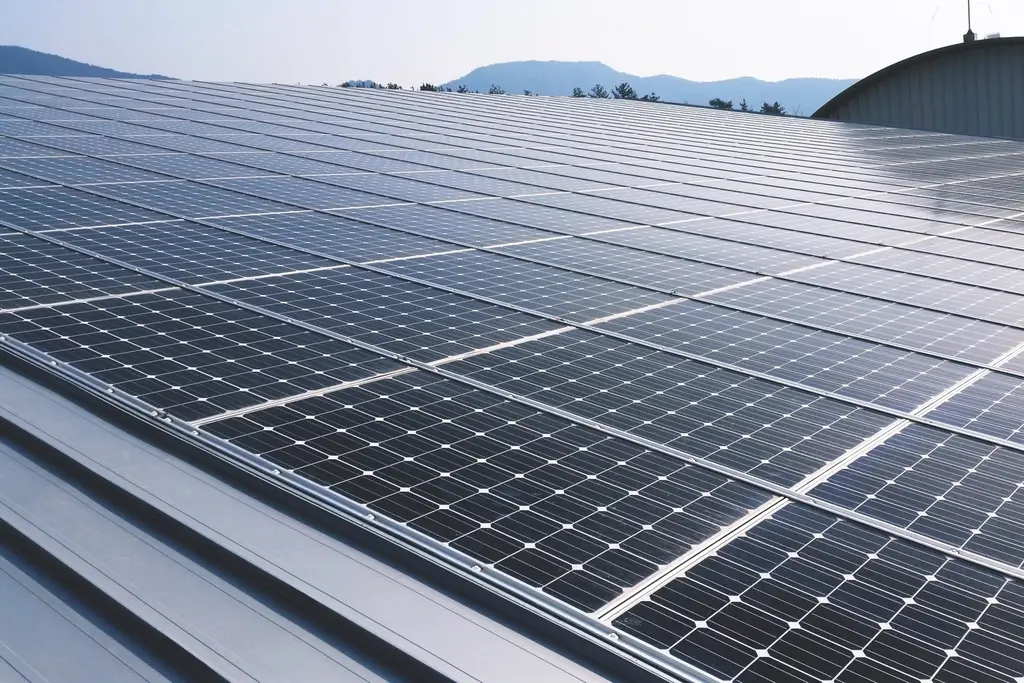 Metal roofsTrapezoidal, standing seam and composite panel roofs: how mounting, rooflights, fixings and sheet age affect a solar installation.