
Why dairy farms suit solar
AHDB says the use, and therefore cost, of electricity dominates fixed equipment energy use on a dairy farm, with milk cooling, water heating and vacuum pumping the most energy intensive processes (AHDB).
Share of total energy by process on dairy farms, Welsh project data quoted by AHDB
| Process | Share of energy | When it runs |
|---|---|---|
| Milk cooling | 38% | During and after each milking, and through the day in bulk tanks |
| Water heating | 30% | For parlour and line cleaning; can often be timed |
| Vacuum pump | 20% | During milking |
| Washing and water pumping | 6% | Through the day |
| Lighting and other | 6% | Varies |
Source: AHDB. Separately, AHDB says the vacuum pump accounts for about 20 to 25% of energy use on a normal dairy farm (AHDB).
Milking times and solar output
Panels produce most around the middle of the day, and far more in summer than in winter. Milking often happens early in the morning and late in the afternoon. So the fit depends on the farm:
- Robotic milking: Spreads milking through the day and night, so some of it always falls in daylight
- Twice-a-day parlours: Summer milkings sit in daylight; winter ones often don't
- Cooling after milking: Bulk tank cooling carries on after milking ends, into the daylight hours
- Water heating: Can often be timed for midday to use solar rather than cheap night power
- Day and night tariffs: AHDB advises understanding your tariff and using day and night rates well; solar changes that sum
AHDB recommends metering the three big users separately so you can see the pattern (AHDB). Twelve months of half-hourly data does the same job for the whole farm.
Asbestos and fibre cement parlour roofs
Many older parlours and sheds have fibre cement roofs that may contain asbestos, are often fragile, and may not take the weight of panels. The options are overcladding, replacing the roof, or using a newer building or the ground. Our guide to asbestos cement roofs covers each, and ground-mounted solar covers arrays on spare land.
Batteries for early and late milkings
A battery charged by midday output can run the evening milking and cooling. Whether it pays depends on how much surplus the farm has at midday, the size of the herd and the price you pay for night-time electricity. If the farm already uses most of its solar output in the day, a battery adds little. See commercial battery storage.
Grants and tax relief
Farm grant schemes open and close; our farm solar grants page lists what was open in each nation when we checked. A farm business that buys the system can usually claim capital allowances. Rooftop solar is left out of business rates valuations in England, Scotland and Wales until 2035: see business rates. For the wider farm picture, see solar for farms.
Sources
AHDB's dairy energy pages were read on 2 November 2026. The process shares are from a Welsh project quoted by AHDB and vary farm to farm.
Frequently asked questions
Are solar panels worth it on a dairy farm?
Often. AHDB says milk cooling, water heating and vacuum pumping are usually the three biggest energy users on a dairy farm, and they run every day of the year. A large parlour or cubicle shed roof gives room for panels. How much the panels save depends on how much of that use falls in daylight, which depends on your milking times and equipment.
What uses the most electricity on a dairy farm?
Milk cooling. Data from a Welsh project quoted by AHDB put the shares of total energy at milk cooling 38%, water heating 30%, vacuum pump 20%, washing and water pumping 6%, and lighting and other uses 6%.
Does solar help if we milk early and late?
Partly. Morning and evening milkings in winter often fall outside the hours when panels produce much, but cooling continues after milking, water heating can be timed, and summer days are long enough to cover more of both milkings. A battery can store midday output for the evening milking; whether it pays depends on the size of the herd and your tariff.
Can solar go on an asbestos parlour roof?
Not straight onto old fibre cement sheets that may contain asbestos without checks. The usual options are overcladding, replacing the roof, or putting the panels elsewhere, such as a newer shed or the ground. Our guide to asbestos cement roofs explains each.
Are there grants for solar on dairy farms?
Farm grant schemes open and close. Our farm solar grants page lists what was open in each nation when we last checked. Capital allowances can reduce tax for a farm business that buys the system.
Related pages
- FarmsDairy, poultry and grain enterprises can make good use of solar on sheds or land. A farm survey looks closely at seasonal demand, building condition and rural grid capacity.
- FarmsWhat is open and closed for farm solar in England, Scotland, Wales and Northern Ireland, and the tax and rates rules that apply anyway.
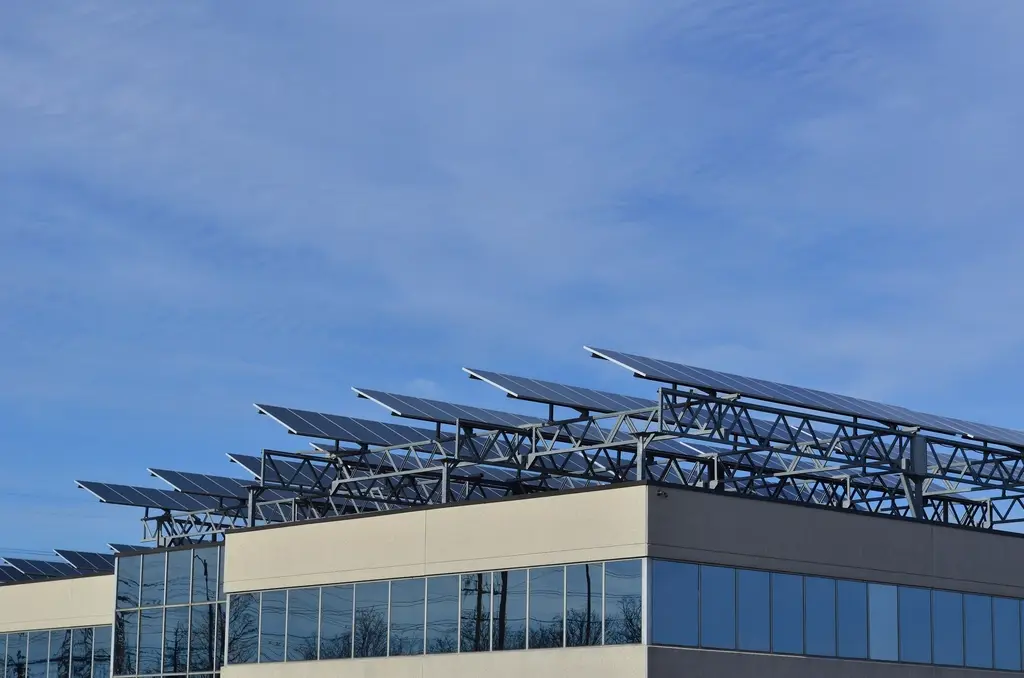 Battery storageWhen a commercial battery pays: storing surplus solar, time of use tariffs, peak shaving, sizing from half-hourly data, illustrative costs, safety and siting.
- Asbestos roofsAsbestos cement roof sheets: the legal duties, survey types, fragility, and the overcladding or replacement routes to a safe solar installation.
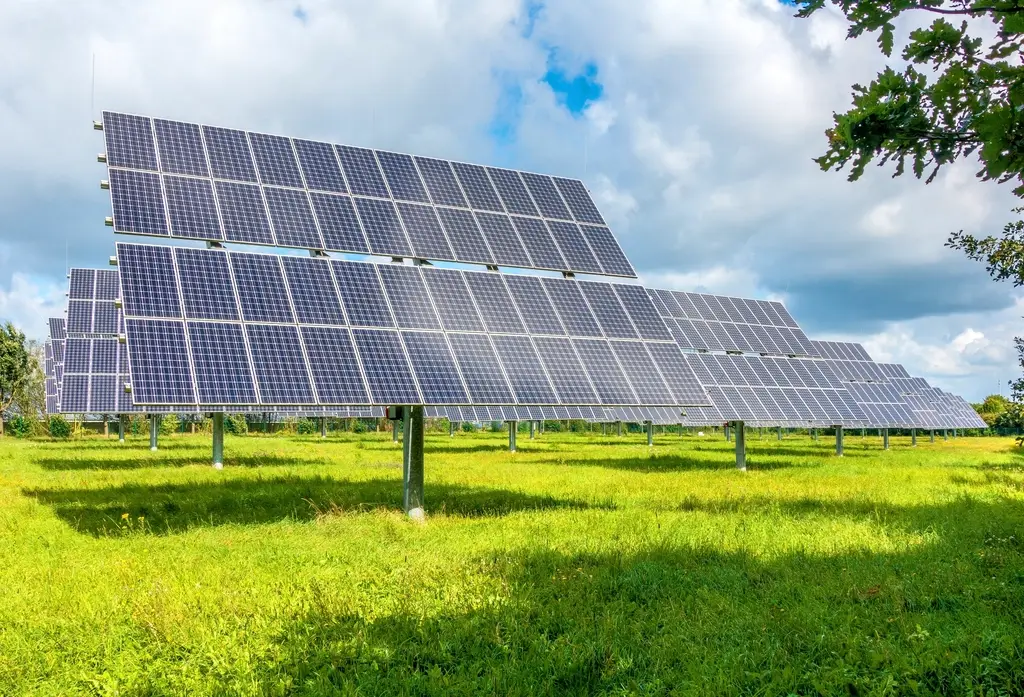 Ground-mounted solarGround-mounted solar on business or farm land: planning, land choice, cable runs, grid connection, security and biodiversity.