
The short answer
- Structure: the roof must carry the panels, their fixings and wind loads. A structural assessment is standard, and strengthening work, or work that affects the structure, needs building regulations approval.
- Fire: the system must not undermine the building's fire safety. Insurers will also have their own requirements. See fire safety and insurance.
- Electrical: the installation is designed and installed to BS 7671, the wiring regulations, and connected under the network operator's G98 or G99 process.
- Construction safety: the CDM Regulations 2015 apply to the installation, and working on roofs, especially fragile ones, needs proper planning.
- Planning: a separate question, covered in our planning permission guide.
Note: This guide is general information for England unless it says otherwise. It is not structural, fire or legal advice. Your installer and, where needed, a structural engineer and building control body are responsible for compliance.
Building regulations and structure
The Building Regulations 2010 apply in England to "building work", and the Approved Documents explain how to meet them. For rooftop solar the main ones are:
- Part A (structure): the roof must safely carry the extra dead load of panels and frames, plus wind uplift and snow. Ballasted flat-roof systems add more weight; mechanically fixed systems add less weight but need sound fixing points.
- Part B (fire safety): the installation must not reduce the roof's resistance to fire spread or compromise fire separation, smoke vents or escape routes.
- Part L (energy): relevant where the work is part of wider changes to the building's energy performance.
Whether a particular installation needs a building control application depends on whether it is building work, for example strengthening the roof or materially altering the structure. Many commercial installers commission a structural assessment for every project and will tell you whether building control is needed. Our structural survey page explains what the engineer checks.
Higher-risk buildings (at least 18 metres or 7 storeys with at least two residential units, or a hospital or care home of that height) come under the Building Safety Regulator in England, which adds steps. Tell your installer if your building may fall into this category.
Fire safety
Beyond building regulations, insurers often refer to RC62, the RISCAuthority and Fire Protection Association recommendations on rooftop PV. The issues are DC isolation, cable routing, separation from rooflights and fire breaks, and the combustibility of the roof build-up. Tell your insurer before installation. Our fire safety and insurance guide covers it in detail.
Electrical standards and the grid
- BS 7671 (the IET Wiring Regulations) sets the standard for the electrical installation, including the specific requirements for solar PV.
- The Electricity at Work Regulations 1989 apply to electrical systems in workplaces, including maintenance and isolation.
- G98 or G99: almost every commercial system needs the network operator's approval under G99 before it is switched on. Larger systems may need an export limit (G100). See G99 and DNO applications and G98 vs G99.
- MCS certification for the installer and products is needed for some export tariffs and is a useful quality marker. See choosing an installer.
Construction safety: CDM and roofs
The Construction (Design and Management) Regulations 2015 apply to solar installations. The business commissioning the work is the client and has duties, including making suitable arrangements, providing information such as an asbestos survey and roof drawings, and, where more than one contractor is involved, appointing a principal designer and principal contractor. A project must be notified to the HSE if it lasts more than 30 working days with more than 20 workers on site at any one time, or exceeds 500 person-days.
Roofs are high-risk workplaces. The Work at Height Regulations 2005 apply, and many older industrial roofs have fragile rooflights or sheets, including asbestos cement. Edge protection, safety netting or mobile elevating work platforms are normal. If your roof may contain asbestos, see asbestos roofs.
Other consents to check
- Landlord's consent if you lease the building: solar on leased property.
- Listed building consent for any listed building: listed buildings and conservation areas.
- Protected species, such as bats in older roofs: bats, birds and ecology.
- Lenders with a charge over the property may need to agree.
Scotland, Wales and Northern Ireland
- Scotland runs a building standards system with building warrants issued by the council. A warrant may be needed where the roof structure is altered; check with the council's building standards team.
- Wales has its own building regulations and Approved Documents, similar in structure to England's.
- Northern Ireland has its own building regulations, administered by the district councils' building control teams.
CDM, BS 7671 and the grid connection process apply across Great Britain, with Northern Ireland's equivalents run by its own regulators and NIE Networks.
Frequently asked questions
Do commercial solar panels need building regulations approval?
It depends on the work. A structural assessment of the roof is standard, and if the roof needs strengthening or the work affects the structure, building regulations approval is needed. Your installer and structural engineer will tell you whether a building control application is required.
Do the CDM Regulations apply to solar installations?
Yes. The CDM Regulations 2015 apply to solar installation work. The business commissioning it has client duties, and projects over the HSE thresholds must be notified.
Related pages
- Structural surveyWhat a structural assessment for rooftop solar checks: dead loads, wind uplift and snow, purlins and rafters, ballast, and when an engineer's report is needed.
- Fire safety and insuranceRC62 in plain terms, insurer questions, DC isolation, cable routing, separation from rooflights and fire breaks, and inspection regimes for commercial rooftop solar.
- G99 and DNO applicationsG98 versus G99, what goes into a DNO application, connection offers, export limitation under G100, reinforcement costs and how the survey checks your supply.
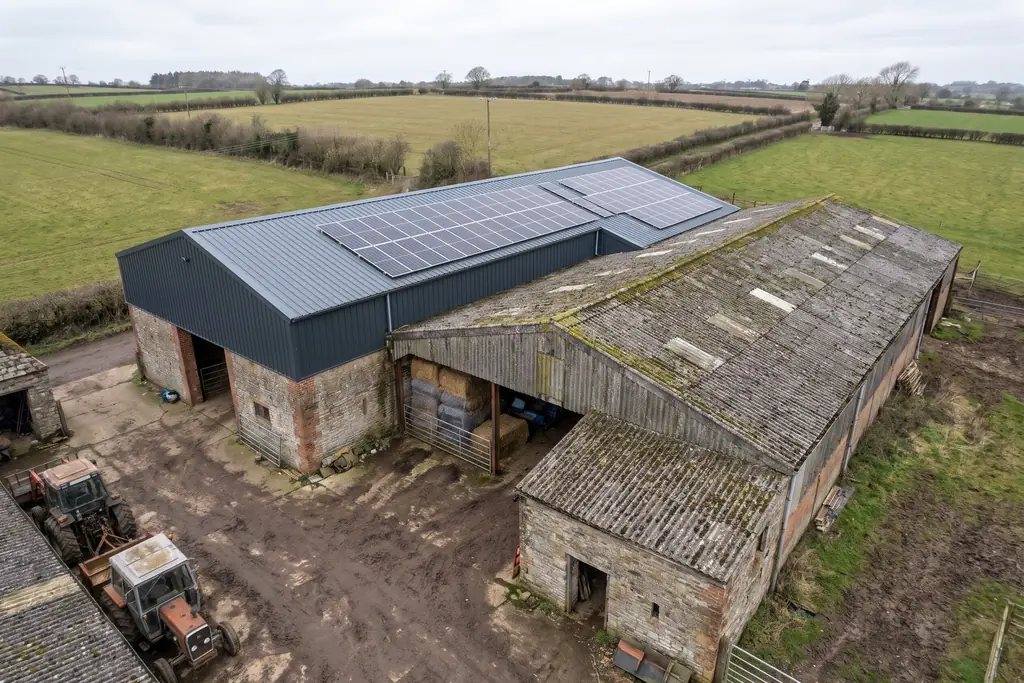 Asbestos roofsAsbestos cement roof sheets: the legal duties, survey types, fragility, and the overcladding or replacement routes to a safe solar installation.
- Installation processWhat happens between the first call and switch-on, who does each step and which stages take longest.