
The short answer
- Rooftop solar on existing buildings is not a green belt issue. Green belt policy is about keeping land open, and panels on a roof do not reduce openness. The normal rooftop rules apply: see our planning permission guide.
- A ground-mounted array in the green belt is usually inappropriate development, which can only be approved in very special circumstances.
- National policy says those circumstances may include the wider environmental benefits of renewable energy. That is the heart of most successful applications.
- Keep it modest and close to the business, show what it does for the site's own energy use, and minimise harm to openness.
Note: This guide covers England and the National Planning Policy Framework published on 17 August 2026. Scotland and Wales have their own green belt policies. It is general information, not planning advice.
How green belt policy works
Green belt is land around towns and cities kept permanently open to stop urban sprawl. The NPPF's green belt chapter sets two tests:
- Policy GB6: development in the green belt is inappropriate unless it falls within a listed exception, and inappropriate development should not be approved except in very special circumstances. Those circumstances only exist if the harm to the green belt, and any other harm, is clearly outweighed by other considerations, with substantial weight given to harm to openness.
- GB6 also says: for renewable and low carbon energy, very special circumstances may include the wider environmental benefits of producing more energy from renewable sources.
Ground-mounted solar is not among the GB7 exceptions in its own right, so in most cases it is treated as inappropriate development, and the question becomes whether very special circumstances exist.
Grey belt
The current NPPF includes "grey belt": green belt land that does not strongly contribute to the purposes of the green belt. Under policy GB7, development on grey belt land is not inappropriate where all of the following apply: it would not fundamentally undermine the purposes of the remaining green belt across the plan area, there is an evidenced unmet need for that type of development, and it is in a sustainable location.
Whether a particular field is grey belt, and whether there is an evidenced unmet need for a business's own solar array, are judgements for the planning authority. Some authorities have assessed grey belt through their local plan; others decide it case by case. Ask at pre-application stage rather than assuming either way.
Building the case
The strongest green belt applications for business solar tend to show:
- The benefit, in numbers. Annual generation, the share used on site, carbon saved and the effect on the business's energy security. Policy W3 says these benefits get substantial weight, and applicants do not have to prove need (chapter 10).
- Why the roof is not enough. If the buildings are already covered, too small, too weak or shaded, say so, with the survey to back it up.
- Minimal harm to openness. Low panels, no buildings, existing screening, land close to the existing buildings rather than in open countryside.
- Reversibility. Solar is temporary in planning terms. A clear decommissioning and restoration plan is expected, and it underlines that the land returns to open use.
- Other benefits. Biodiversity net gain, continued grazing, new hedgerows, and support for a farm or business that keeps the land managed.
What to include with the application
- a landscape and visual impact assessment, including views from public footpaths,
- a planning statement setting out the very special circumstances (or the grey belt case),
- a glint and glare study where there are nearby roads, railways or homes (glint and glare guide),
- an ecology survey and biodiversity net gain assessment (bats, birds and ecology),
- flood risk information if the land is in a flood zone,
- an agricultural land classification if it is farmland (solar on agricultural land),
- a decommissioning plan.
Alternatives worth checking first
- Roofs you have not used: barns, stores, canopies and outbuildings.
- Solar car park canopies: England has a permitted development right for canopies over non-domestic car parks, subject to prior approval. See solar carports.
- Previously developed land on the site, such as old yards and hardstandings, which national policy treats more favourably than open fields.
Frequently asked questions
Can I build a solar array on green belt land?
It is possible, but a ground-mounted array is usually treated as inappropriate development, which needs very special circumstances. National policy says those can include the wider environmental benefits of renewable energy. Rooftop solar on existing buildings in the green belt follows the normal rooftop rules.
Does grey belt make solar easier?
It can. Development on grey belt land is not inappropriate where it does not fundamentally undermine the remaining green belt, there is an evidenced unmet need for it and the location is sustainable. Whether a site qualifies is for the planning authority to judge.
Related pages
- Planning permissionPermitted development for commercial rooftop solar and car park canopies in England, prior approval, heritage limits, ground-mounted schemes and the other UK nations.
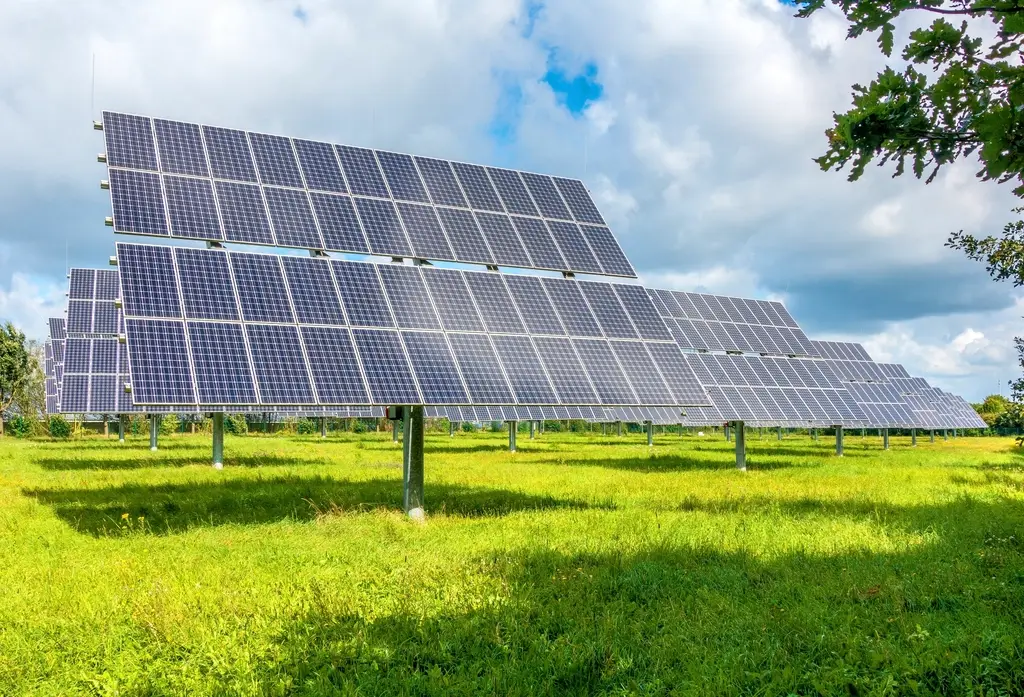 Ground-mounted solarGround-mounted solar on business or farm land: planning, land choice, cable runs, grid connection, security and biodiversity.
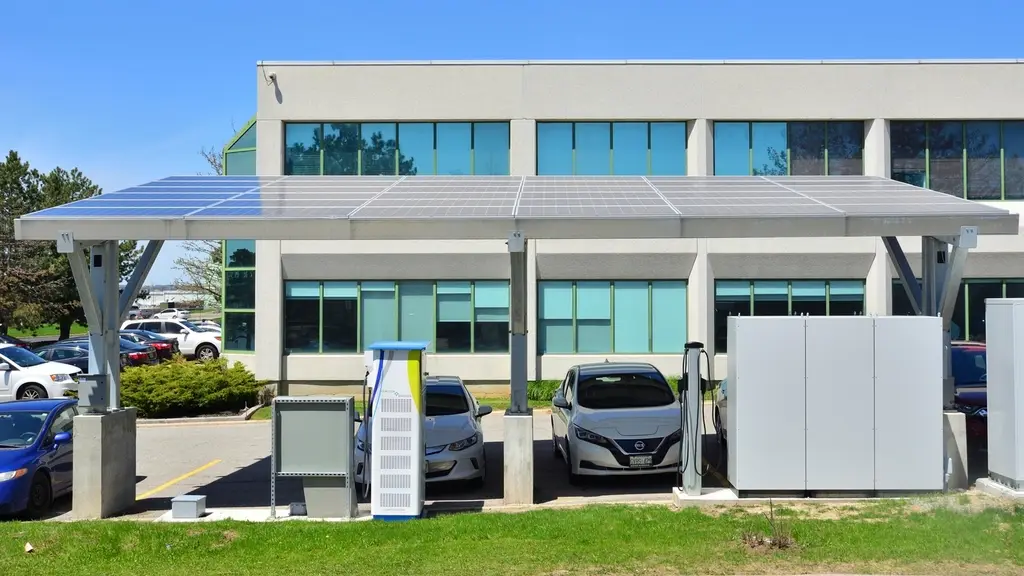 Solar carportsSolar car park canopies: permitted development in England, foundations and drainage, structural design, EV charging and how costs compare with rooftop solar.
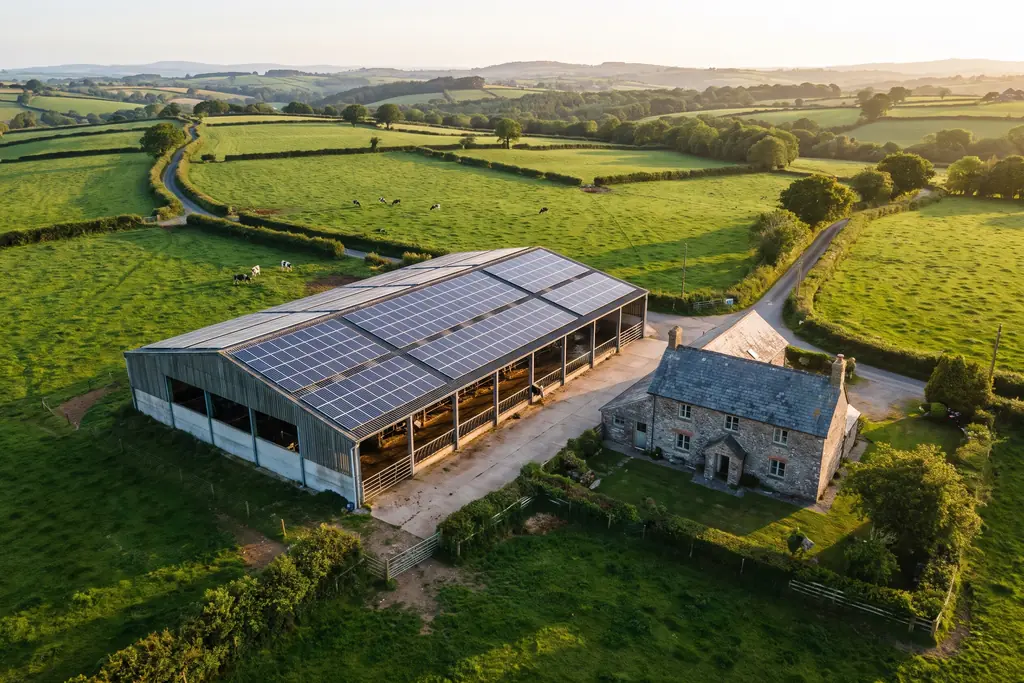 FarmsDairy, poultry and grain enterprises can make good use of solar on sheds or land. A farm survey looks closely at seasonal demand, building condition and rural grid capacity.
- Solar on agricultural landBest and most versatile land, agricultural land classification surveys, grazing between rows, biodiversity and how to make the planning case for a farm array.