
What demand side response is
The electricity system is under most strain on winter weekday evenings. Demand side response (DSR) is any arrangement where a business is rewarded for shifting or reducing its use at those times, or penalised less on its bill for avoiding them. For most businesses it comes in three forms:
| Form | Who runs it | How a business benefits |
|---|---|---|
| Demand Flexibility Service | NESO, through suppliers and aggregators | Paid for using less (or, from April 2026, more) electricity in specific events |
| DUoS time bands | Your distribution network operator, through your bill | Lower unit charges outside the red band |
| TNUoS Triads | NESO, through your bill | Lower transmission charges if you use less during three winter peaks |
There are also larger flexibility markets, such as the Capacity Market and NESO's balancing services, usually reached through an aggregator. They suit sites with a large load they can switch off, or a big battery or generator.
The Demand Flexibility Service
NESO's Demand Flexibility Service "helps households and businesses participate in the electricity system by providing incentives" (NESO). The rules, checked on 9 November 2026:
- Who: Businesses in England, Scotland or Wales, with a supplier or aggregator registered for the service
- What you need: A working smart meter so your use can be measured
- When: It moved from winter only to year-round on 27 November 2024
- Turn down and turn up: Paid for using less at busy times such as early evenings, and, since 14 April 2026, for using more when that helps balance the system
You take part through your supplier or an aggregator, not directly with NESO. Ask yours whether it offers the service to business customers and what it pays per event.
Network charges: DUoS and TNUoS
Your electricity bill carries the cost of the wires that bring power to you. For a half-hourly settled business these come in two parts, and both have a time of day element.
DUoS: distribution charges and the red band
Distribution Use of System (DUoS) charges pay for the local network. Each distribution network operator sets red, amber and green time bands in its own charging statement, with the highest unit rate in the red band, typically a few hours in the late afternoon and early evening on weekdays. The times differ between operators, so check your network operator's current statement, or ask your supplier for the bands on your contract.
TNUoS: transmission charges and Triads
Transmission Network Use of System (TNUoS) charges pay for the national high voltage network. NESO's June 2026 guide says (NESO, TNUoS in 10 minutes):
- Half-hourly sites are charged on the demand they take over the three Triad periods each year, through a £ per kW tariff. Triads are "the three half-hours with the highest net system demand, between November and February (inclusive), separated by at least ten clear days."
- Non-half-hourly sites are charged on their annual consumption between 4pm and 7pm each day.
- The residual, which recovers the rest of the network's costs, is a fixed £ per site per day charge, with non-domestic sites put into a band by capacity or consumption. This followed Ofgem's Targeted Charging Review (Ofgem).
Nobody knows in advance when a Triad will fall, so sites that manage them reduce use on the coldest, busiest weekday evenings of the winter.
Why fixed residual charges matter
Because the residual parts of both DUoS and TNUoS are now fixed charges by band, cutting your peak demand no longer reduces that part of the bill. Only the time of day unit rates and the Triad charge still respond to when you use power. That is why peak shaving is worth less to some businesses than it was a few years ago, and why any saving should be worked out from your own bill, not a rule of thumb. Capacity (kVA) charges for your agreed supply capacity are separate again: they depend on the capacity you have booked, not on when you use power, and a poor power factor uses up that capacity; see power factor correction.
Where solar and batteries fit
Solar on its own reduces what you buy in daylight, mostly in the green and amber bands. In winter, the red band and Triads fall after dark, so solar does little for them. Its value is the energy it replaces at your full unit rate across the year; see how payback is worked out.
A battery is the tool for the peak. It can charge from surplus solar at midday (or cheap overnight power) and discharge in the red band, through a Triad warning or during a Demand Flexibility event. Our page on battery storage for business explains sizing and peak shaving.
Controls and load shifting cost the least: moving pumps, refrigeration defrost cycles, water heating or vehicle charging out of the early evening. A site that already does this has a better case for solar too, because more daytime use means more of the output is used on site.
What to check first
- Are you half-hourly settled? The red band and Triad charges above apply to half-hourly sites; see our guide to half-hourly meters and MHHS.
- Get 12 months of half-hourly data and the network charges broken out on your bill. Our energy data analysis page explains how.
- Ask your supplier whether it offers the Demand Flexibility Service to businesses.
- Model solar and storage together, so you can see what each adds. A free site survey does this for your own site.
Note: General information, not advice. Network charges change every April; your supplier's contract decides how they are passed through to you.
Sources
Read on 9 November 2026.
Frequently asked questions
What is demand side response for a business?
It means changing when your site uses electricity, usually using less at the early evening peak, in return for payment or lower charges. In Great Britain the main routes are NESO's Demand Flexibility Service, taken part in through a supplier or aggregator, and the time of day parts of your network charges: DUoS red band rates and TNUoS Triad charges for half-hourly sites.
Can a business join the Demand Flexibility Service?
Yes. NESO says households and businesses in England, Scotland and Wales can take part if they are with a supplier or aggregator registered for the service and have a working smart meter. The service has run year-round since 27 November 2024, and since 14 April 2026 it can also reward using more electricity when that helps the system.
What are TNUoS Triads?
NESO defines Triads as the three half-hours with the highest net system demand between November and February, separated by at least ten clear days. Half-hourly sites pay the locational part of TNUoS on their demand in those three half-hours. They are only known after the winter, so sites that manage them cut demand on the busiest weekday evenings.
Do solar panels reduce DUoS and TNUoS charges?
Partly. Solar reduces the energy you buy in daylight, which lowers time of day unit charges in the green and amber bands. Winter red bands and Triads fall after dark, when panels produce nothing, so solar on its own does little there. A battery charged from solar or cheap power can discharge into those periods. Fixed residual charges are not affected by either.
Is peak shaving still worth it?
For some sites. Ofgem's Targeted Charging Review moved the residual parts of network charges into fixed charges by band, so lowering your peak no longer cuts those. Time of day unit rates, Triad charges and avoiding excess capacity charges can still make it worthwhile. Work it out from your own bill and half-hourly data before buying equipment for it.
Related pages
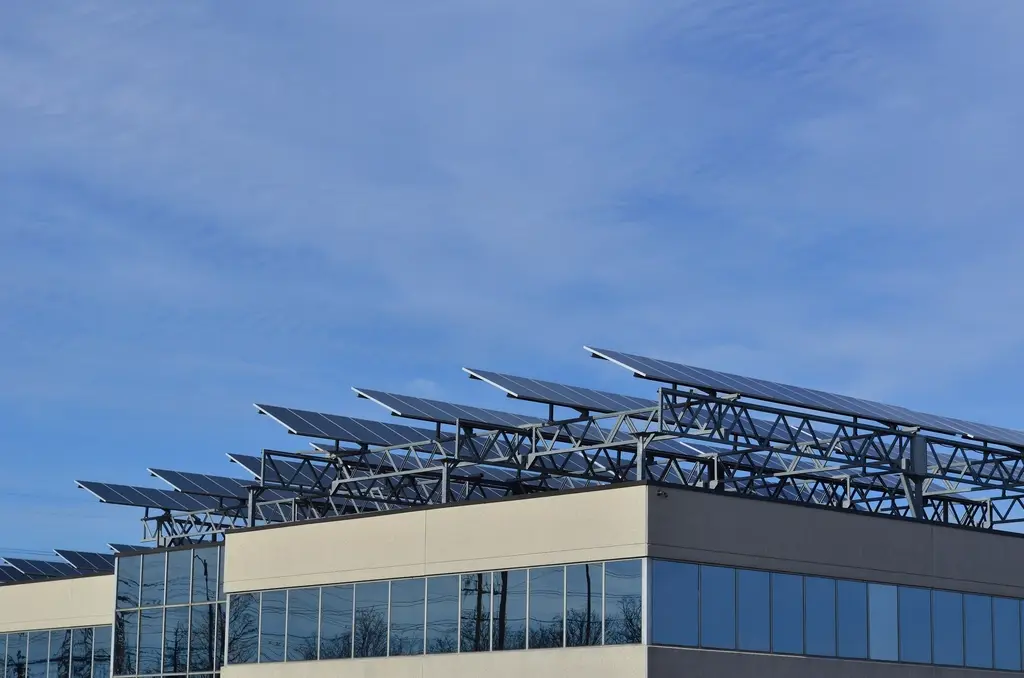 Battery storageWhen a commercial battery pays: storing surplus solar, time of use tariffs, peak shaving, sizing from half-hourly data, illustrative costs, safety and siting.
- Half-hourly meters and MHHSWhat MHHS is, the 2025 to 2027 timetable, what a half-hourly meter and profile class 00 mean, how to get your half-hourly data and how it is used to size solar.
- Energy data analysisHow half-hourly consumption data shapes solar sizing and payback: getting the data, profile classes, baseload, weekend and seasonal use, self-consumption and batteries.
- Business electricity pricesPublished DESNZ figures show what businesses pay per kWh by size of user; your own unit rate is what solar replaces.
- Cutting energy costsStart with what you pay and when, cut waste and inefficiency, then generate your own: the order that gives the best return.
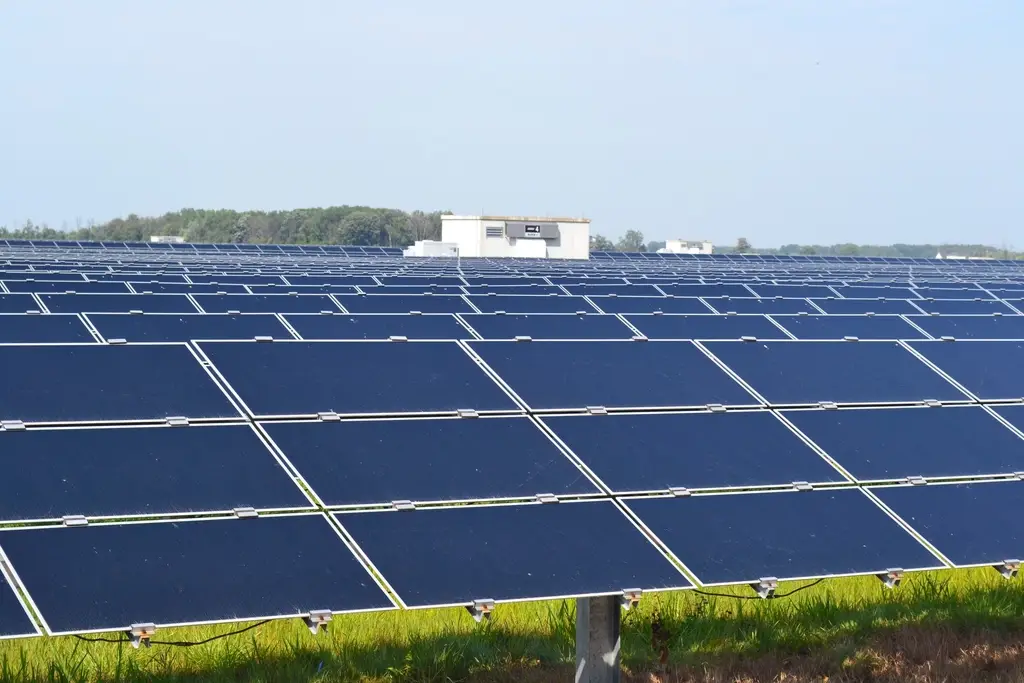 Solar paybackA worked payback example for a 100 kWp system, the factors that move the result most, the effect of tax relief, and a calculator to try your own figures.